











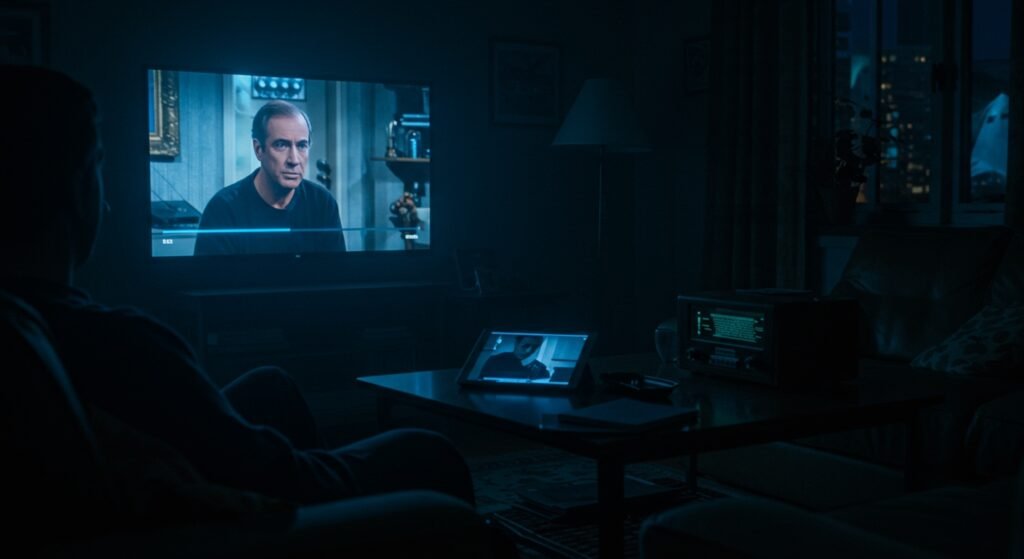
More than three decades after its initial premiere, the beloved sitcom Frasier continues to resonate with audiences. However, rewatching the series 32 years on can offer a surprisingly different perspective, revealing aspects that land differently in the present day. An examination of the show through a contemporary lens highlights shifts in cultural norms, media consumption, and the emotional weight of time.
The Emotional Resonance of Absence
One of the most poignant aspects of rewatching Frasier today is the absence of key figures. The character of Martin Crane, played with exceptional warmth and wit by John Mahoney, was the heart of the series for many viewers. Mahoney’s death in 2018 casts a significant shadow over his scenes upon rewatching, imbuing his performance with an added layer of emotional depth and melancholy, a stark reminder of the passage of time and loss.
The Context of the Reboot’s Reception
The experience of revisiting the original series is also inevitably framed by the recent attempt to revive the franchise. A new Frasier series premiered on Paramount+ in 2023, aiming to recapture the magic of its predecessor. However, this reboot reportedly struggled to capture significant audience interest and was subsequently canceled after its second season in 2024. This outcome provides a contemporary context for appreciating (or critiquing) the enduring qualities of the original show while highlighting the challenges inherent in attempting to replicate its unique appeal in a changed television landscape.
Outdated Narratives and Shifting Sensibilities
Cultural perspectives have evolved significantly since the 1990s and early 2000s when Frasier originally aired. Certain storylines that may have been accepted or even played for laughs at the time can appear problematic when viewed today. A notable example is a controversial storyline from season eight involving the character Daphne Moon, played by Jane Leeves. In this arc, Daphne’s real-life pregnancy was written into the show not as a pregnancy, but was instead portrayed as unexplained weight gain. This plot culminated in the character being sent away to a weight-loss camp, a narrative choice that has been widely criticized in hindsight for its handling of body image and its somewhat cruel treatment of the character, reflecting a less sensitive approach than might be expected in contemporary storytelling.
A Profession in the Digital Age
Dr. Frasier Crane’s career as a traditional talk radio psychiatrist was central to the show’s premise and comedic situations. His interactions with callers provided a constant source of material, reflecting a media environment where radio still held significant cultural sway. Rewatching the series today, in an era dominated by podcasts and digital audio platforms, underscores just how much the landscape of audio communication has transformed. Frasier’s profession, while iconic within the show, feels distinctly outdated when viewed through the lens of today’s media consumption habits, where personalized, on-demand content has largely supplanted the format he epitomized.
Examining Relationship Dynamics
Relationships, both romantic and platonic, were a cornerstone of Frasier. The series explored complex interpersonal dynamics among family members, friends, and romantic partners. However, a modern rewatch can reveal instances in various romantic plotlines where power imbalances were present. While the show often explored the eccentricities and flaws of its characters, some relationship dynamics, when scrutinized closely today, highlight power differentials that might be viewed more critically or handled differently in contemporary narratives, prompting reflection on how relationships are portrayed in popular media.
The Enduring Appeal and Dated Realities
Analyzing Frasier 32 years after its debut through the perspective initially explored in discussions about its “10 Harsh Realities of Rewatching” underscores the dual nature of classic television. Shows that were groundbreaking and beloved in their time can simultaneously retain their core brilliance – sharp writing, memorable characters, and timeless themes of family and the search for happiness – while also revealing dated elements that reflect the specific cultural context in which they were created. The rewatch experience becomes a fascinating exercise in navigating nostalgia alongside an evolving understanding of societal norms and media representation, confirming the show’s status as a cultural touchstone, even as certain aspects reveal the passage of three decades.
More Stories
Sweet Magnolias Creator Bids Emotional Farewell After Cancellation
Lady Gaga Welcomes Daughter Rose Bean Polansky
Ranbir & Alia Launch Major 20-School Mumbai Makeover