









In a recent review published by ArtsHub, Ross Campbell’s book, “Melbourne and the Movies,” has been hailed as a “wonderfully rich treasure trove,” offering a detailed exploration of the history of film within the Australian city. The book, as described by the review, chronicles this cinematic journey primarily through the deeply personal and informed perspective of the author himself.
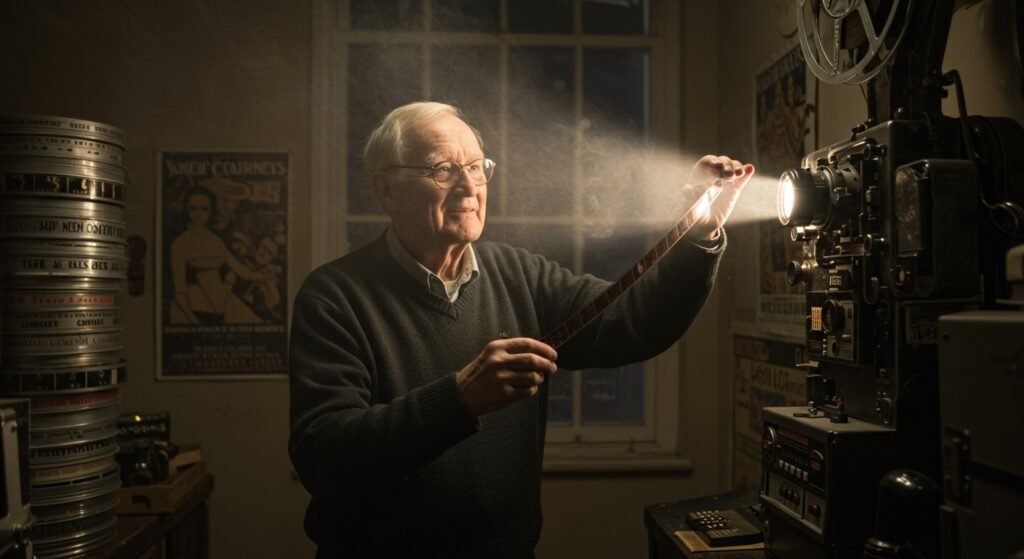
Ross Campbell, a figure well-known within Melbourne’s film community, brings a unique vantage point to this historical account. His extensive background encompasses roles as both a dedicated projectionist and a passionate cinephile. This dual experience granted him intimate knowledge of both the technical craft of film exhibition and the artistic appreciation of cinema. Campbell’s involvement in the local film scene was profound and multifaceted, extending to participation in various film societies, engagement with government filmmaking departments, studies at the prestigious London Film School, and attendance at numerous film festivals over the decades. Such a comprehensive immersion provided him with an unparalleled understanding of the evolution of film culture, production, and exhibition in Melbourne.
A Deep Dive into Melbourne’s Film Tapestry
The content of “Melbourne and the Movies” is presented by ArtsHub as a rich compilation reflecting Campbell’s lived experience and extensive research. The book includes personal reminiscences, offering anecdotal insights into key moments and figures in the city’s film past. Complementing these memories are images, presumably illustrating the people, places, and events discussed. Furthermore, the book delves into technical details concerning projection equipment – a nod to Campbell’s hands-on experience and the evolving technology that shaped the cinematic experience over time. This technical aspect provides valuable context for understanding how films were shown and perceived in different eras.
The scope of the book extends beyond personal history and technical specifics to include critical analysis. Campbell examines the work of notable filmmakers, with the ArtsHub review specifically mentioning analysis of figures such as Jean Cocteau and discussions surrounding Carl Dreyer’s iconic film, “The Passion of Joan of Arc.” The inclusion of such analyses suggests that the book places Melbourne’s local film history within a broader international context, exploring how global cinematic trends and masterworks resonated within the city’s film circles.
Highlighting Key Contributors to the Scene
A significant strength of Campbell’s book, as noted by the review, is its focus on shedding light on the work of numerous individuals who contributed significantly to the Melbourne film sector over many decades. This approach moves beyond simply listing films or events, instead humanizing the history by recognizing the people who shaped it. Among those specifically mentioned is Paul Coulter, identified as the former manager of the Lumiere Cinema. Highlighting figures like Coulter provides readers with a deeper understanding of the individuals who were instrumental in the day-to-day operations and cultural life of Melbourne’s cinematic institutions.
Campbell’s own contributions to the physical spaces of Melbourne cinema are also underscored in the review. Notably, his significant role in transforming the Erwin Rado theatrette is highlighted. This transformation reportedly turned the venue into a particularly notable space for film enthusiasts within the city. Such details emphasize the practical impact individuals like Campbell had on fostering environments where film could be appreciated, studied, and celebrated.
Preserving a Cinematic Legacy
ArtsHub’s assessment of “Melbourne and the Movies” as a “wonderfully rich treasure trove” suggests that the book is considered an invaluable resource for anyone interested in the history of film in Melbourne. By combining personal narrative, historical facts, technical insights, and critical analysis, Ross Campbell appears to have created a comprehensive and engaging account. The review positions the book not just as a historical record, but as a vibrant portrayal of a city’s enduring relationship with cinema, illuminated through the unique perspective of someone who lived and breathed its every frame. The book serves as a vital document preserving the memories, efforts, and passion of those who built and sustained Melbourne’s rich cinematic heritage.
More Stories
Luke Combs Conquers Murrayfield: The Rise of Country’s New King
Lee Martin’s ‘Marlene’ Album Hits NZ Charts
Book Review: Rise & Fall of American Europe – Blues!