











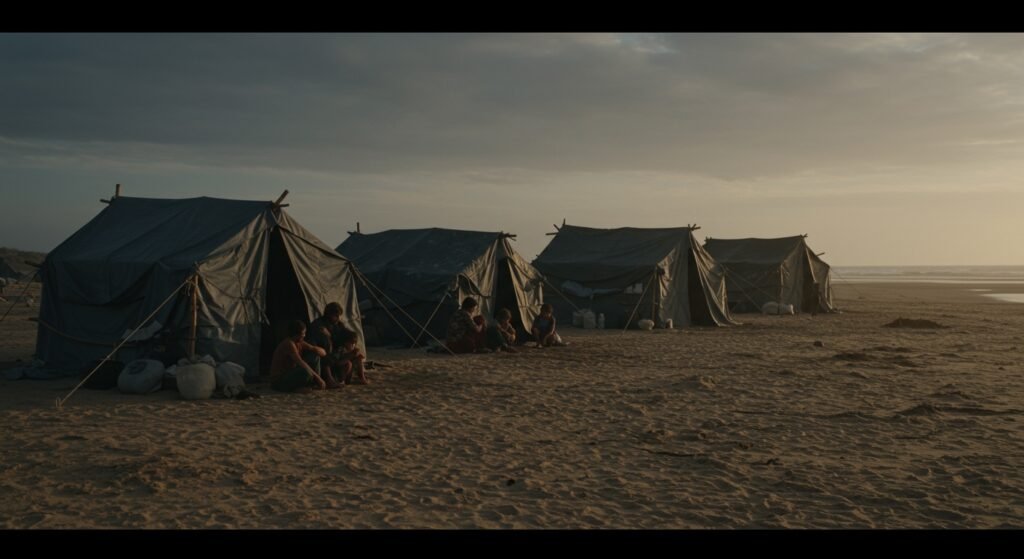
On January 8, 2025, military operations in the Gaza Strip resulted in the deaths of at least 51 Palestinians, according to local health authorities. The fatalities included five children killed in Israeli strikes on tent encampments located in al-Mawasi, an area that had been designated by Israel as a “safe zone” for civilians displaced by the ongoing conflict. These casualties contributed to a rising death toll in the enclave, officially reported to be approaching 46,000. The targeting of areas meant to provide safety underscored the immense challenges facing civilians attempting to find safety amidst the hostilities that have gripped the territory since October 2023.
Strikes Impact Designated Areas
The attack in al-Mawasi drew particular attention due to the status of the area. Israeli authorities had directed civilians to move to al-Mawasi, a narrow strip of undeveloped land along the coast, stating it was a secure location away from active combat zones. However, multiple reports from the ground have indicated that these areas, often lacking basic infrastructure like sanitation, shelter, and medical facilities, have not remained entirely free from military activity. The deaths of the five children, reportedly killed in strikes impacting their temporary tent shelters, underscore the precariousness of life even in areas designated for refuge.
Wider Impact and Humanitarian Crisis
The fatalities on January 8, 2025, were not confined to al-Mawasi. An Israeli airstrike in Gaza City, in the northern part of the strip, resulted in the tragic death of a 15-day-old baby. The continuous military pressure across different parts of Gaza exacerbates an already dire humanitarian crisis. Millions of Palestinians have been displaced, many multiple times, seeking shelter wherever they can find it, often in severely overcrowded conditions in southern areas like Rafah, Khan Younis, and temporary sites near Deir al-Balah. The struggle for survival has led to desperate measures; families attempting to shelter in areas like Deir al-Balah, such as that of Tayseer Obaid – who has been displaced nine times – have reportedly begun digging grave-like pits beneath their tents, hoping these rudimentary excavations might offer some minimal protection against the concussive force of explosions or falling debris – a stark illustration of the profound lack of secure shelter.
International Legal and Diplomatic Developments
The day’s events unfolded against a backdrop of significant international legal and diplomatic movements. On January 8, 2025, Ireland formally intervened in the case brought by South Africa against Israel before the International Court of Justice (ICJ) in The Hague. South Africa initiated the proceedings, alleging that Israel’s military actions in Gaza constitute genocide under the 1948 Genocide Convention – a charge vehemently denied by Israel. Ireland’s decision to join the proceedings as a third party allows it to make submissions to the court. This formal step followed Ireland’s earlier statement indicating its intention to intervene. In protest of Ireland’s initial stance, Israel had closed its embassy in Dublin last month. Ireland’s formal intervention on January 8, 2025, signals a further intensification of international legal scrutiny surrounding the conflict and the humanitarian situation in Gaza.
Challenges of Civilian Protection
The recurring incidents of civilian casualties in Gaza, including in areas designated as safe zones, continue to draw sharp international criticism and raise fundamental questions about the principles of distinction, proportionality, and precaution in conflict under international humanitarian law. The concept of a “safe zone” relies on both the designating force and opposing forces adhering to conditions that ensure civilian safety, a challenge in the complex, densely populated environment of Gaza. The tragic deaths in al-Mawasi on January 8, 2025, serve as a stark reminder of the immense risks faced by the civilian population, particularly the most vulnerable, despite efforts or designations intended to provide protection.
Conclusion
The latest wave of fatal strikes on January 8, 2025, including those impacting families sheltering in areas designated as safe zones and resulting in child casualties, underscores the ongoing human cost of the conflict in Gaza. As the death toll mounts and the humanitarian crisis deepens, the parallel developments on the international stage, such as Ireland’s formal intervention in the ICJ genocide case, highlight the increasing legal and diplomatic pressures accompanying the military campaign. The precarious situation for displaced civilians, exemplified by the desperate measures taken for protection, remains a central concern for international observers and humanitarian organizations.
More Stories
Costco Goes Nationwide on Uber Eats: A New Era for Bulk Delivery
Elena Rybakina Wins US Open, Ascends to World No. 1
Rubio Seals Security Pacts; Vance Drives Policy Agenda