











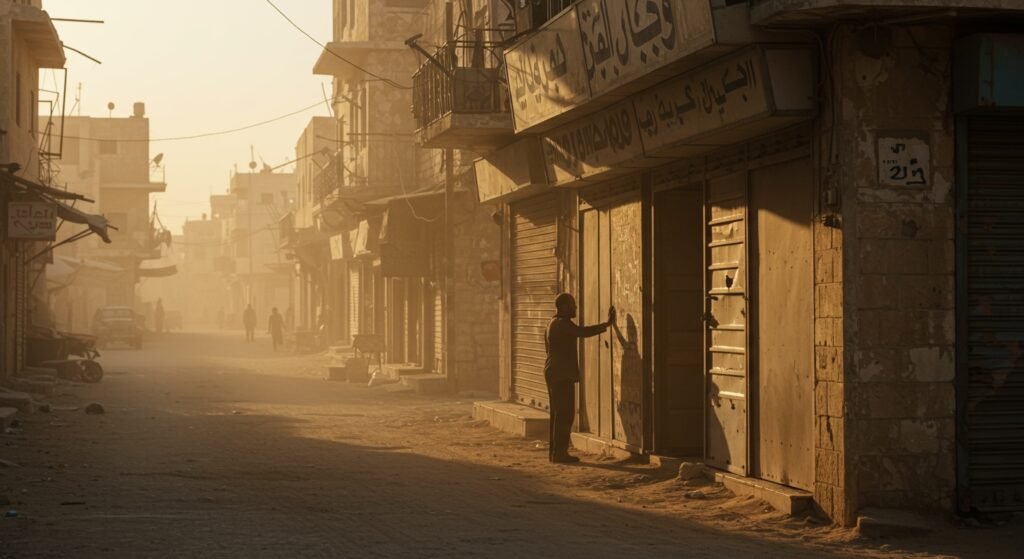
GAZA CITY – As Israeli forces pressed ahead with a major new ground offensive on April 2, 2025, the humanitarian situation in the Gaza Strip deteriorated further, with residents facing widespread hunger and aid agencies warning of impending catastrophe. At least 41 Palestinians were reported killed in Israeli attacks over the past 24 hours alone.
Amidst the escalating military actions, Israeli Defense Minister Israel Katz announced plans for forces to seize large areas of Gaza, designating them as security zones. This development unfolds against the backdrop of a total Israeli blockade of the territory, which has now been in effect for 31 days, severely restricting the entry of essential supplies.
Humanitarian Crisis Deepens
The prolonged blockade has plunged the civilian population into a severe food insecurity crisis. On Tuesday, the situation reached a critical point as residents found themselves unable to locate bread. This was a direct consequence of the closure of all bakeries across the territory. Critically, this included the 25 bakeries operated by the World Food Programme (WFP), a key provider of essential foodstuffs.
Hamas released a statement asserting that Gaza had entered a “famine phase,” describing the unfolding crisis as “one of the worst humanitarian crises in modern history.” The lack of basic necessities like bread underscores the dire reality on the ground for hundreds of thousands of people trapped by the conflict and the blockade.
Competing Claims on Food Availability
In a move that drew sharp rebuke, an Israeli military agency responsible for coordinating aid deliveries posted on social media claiming that sufficient food supplies were available within Gaza, provided Hamas allowed civilians access. This assertion suggests that distribution, rather than availability due to the blockade, was the primary issue.
However, this claim was swiftly and unequivocally dismissed by the United Nations. Speaking on behalf of the international body, U.N. spokesperson Stéphane Dujarric labeled the Israeli agency’s statement “ridiculous.” Dujarric countered that the reality on the ground painted a vastly different picture, stating that the U.N. was nearing the end of its humanitarian supplies.
He pointed specifically to the closure of the WFP bakeries as evidence of the dire situation, stating plainly that these vital operations would not have ceased if adequate flour and cooking oil were available. The U.N.’s position highlights the critical bottleneck created by the blockade on the entry of humanitarian aid.
Toll on Aid Workers
The human cost of the conflict continues to mount, impacting even those attempting to provide assistance. The Guardian newspaper reported that some bodies of 15 Palestinian paramedics and rescue workers were found after being buried. These aid workers were reportedly killed by Israeli forces, adding to the tragic toll on civilians and those trying to help them.
As military operations intensify and the blockade persists, the humanitarian situation in the Gaza Strip remains exceptionally grave. The conflicting narratives surrounding aid access only serve to underscore the complex challenges facing international efforts to alleviate the suffering of the civilian population caught in the crossfire.
More Stories
AI Smuggling Ring Busted: 3 Charged in $2.5B Tech Heist
Middle East Tensions Explode: Iran Launches Missile Barrage After US-Israel Strikes
Russia Shares Intel with Iran to Target US Forces Amid Escalating War