











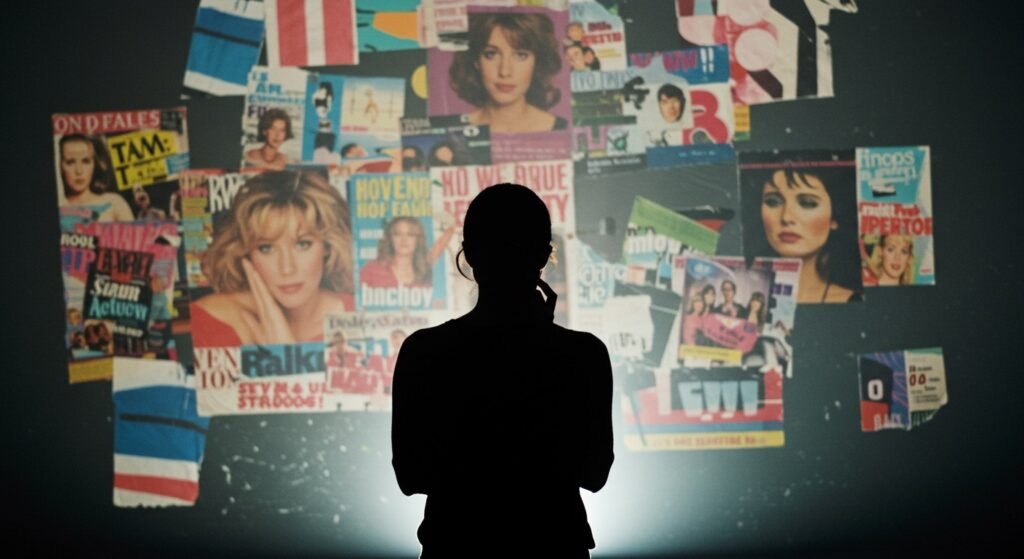
A recent segment on PBS News Weekend, aired on May 31, 2025, delved into the complex relationship between popular culture and the trajectory of women’s rights in the United States. The broadcast featured Ally Rogan in conversation with Atlantic staff writer and Pulitzer Prize finalist Sophie Gilbert, discussing Gilbert’s new book, “Girl on Girl”. The central thesis of the book, and the focus of the discussion, is the provocative idea that popular culture produced during the 1990s and early 2000s may have, perhaps inadvertently, hindered progress for a generation of women.
The Enduring Echo of ’90s and Early 2000s Pop Culture
Gilbert’s work in “Girl on Girl” scrutinizes the cultural output of a specific, formative period: the decade of the 1990s extending into the early 2000s. This era was characterized by a unique blend of evolving social norms and rapidly expanding media influence, from television shows and films to music, magazines, and the nascent stages of internet culture. While seemingly reflecting or even celebrating newfound freedoms for women, Gilbert posits that the underlying messages within this cultural landscape could have subtly but significantly undermined the advancements being made in political and social spheres.
The book argues that depictions of women, narratives around relationships and success, and the prevalent focus on physical appearance and consumerism during this time may have reinforced traditional stereotypes, promoted unrealistic expectations, or encouraged a focus away from collective political action towards individualistic pursuits or superficial concerns. This dynamic, according to the book’s perspective, created a tension between the outward march of the women’s rights movement and the inward-facing, often contradictory, messages absorbed through everyday entertainment and media. Despite decades of hard-won political victories and social shifts aimed at achieving equality in the United States, the cultural messaging from this period, Gilbert suggests, may have left a lasting, complex legacy on the perceptions and priorities of the women who grew up immersed in it.
Cultural Undercurrents and Contemporary Political Headwinds
The relevance of examining this specific period of pop culture, as highlighted in the PBS News Weekend segment, becomes particularly sharp when viewed through the lens of the current political climate in the United States. The discussion with Sophie Gilbert took place amidst what the broadcast described as a period of renewed political debate and significant policy changes concerning women’s rights. This context includes what appears to be a broader pushback against the objectives and achievements of modern feminism.
Gilbert’s analysis provides a potential framework for understanding why, despite substantial historical progress, the fundamental rights and status of women are once again subjects of intense contestation. The cultural narratives absorbed from the ’90s and early 2000s could, according to the book’s implications, have contributed to shaping a societal consciousness where certain feminist goals were trivialized, misunderstood, or even viewed negatively by subsequent generations or segments of the population. This cultural conditioning, while not the sole cause, may have created fertile ground for the contemporary challenges facing women’s rights advocates and influenced the tenor of current policy debates.
A Journalist’s Lens: Insight from Sophie Gilbert
The conversation on PBS News Weekend benefited from the expert perspective of Sophie Gilbert, known for her insightful cultural commentary and rigorous journalism. As an Atlantic staff writer and a Pulitzer Prize finalist, Gilbert brings a distinguished background to her analysis in “Girl on Girl,” grounding her cultural critique in thorough research and incisive observation. Her discussion with Ally Rogan provided a platform for a nuanced exploration of the book’s arguments, connecting academic cultural analysis with the lived experiences of a generation and the pressing political realities of the present day.
The segment aimed to illuminate the subtle, pervasive ways that cultural forces shape societal norms and expectations, and how understanding this historical dynamic is crucial for comprehending the complexities of the ongoing struggle for gender equality. By focusing on the specific, recent past of the ’90s and early 2000s, “Girl on Girl” offers a timely prompt for reflection on the often-unseen influences that bear upon the progress—or potential regression—of women’s rights.
In conclusion, Sophie Gilbert’s “Girl on Girl,” as discussed on PBS News Weekend on May 31, 2025, presents a compelling, albeit challenging, perspective on the legacy of ’90s and early 2000s pop culture. By suggesting that this era’s media landscape may have posed subtle impediments to feminist progress, the book encourages a deeper examination of how cultural narratives intersect with political and social movements. Its relevance is particularly underscored by the current climate of debate and challenge surrounding women’s rights in the United States, making the book and the conversation it sparks essential reading for anyone seeking to understand the multifaceted nature of the fight for gender equality.
More Stories
U.S. Repatriates 64 Cultural Relics and Fossils to China
Betting on Viral Fame: Novig’s Strategic Use of Sydney Sweeney
DHS Scrubs Optimus Prime Posts After AI Misuse Backlash