







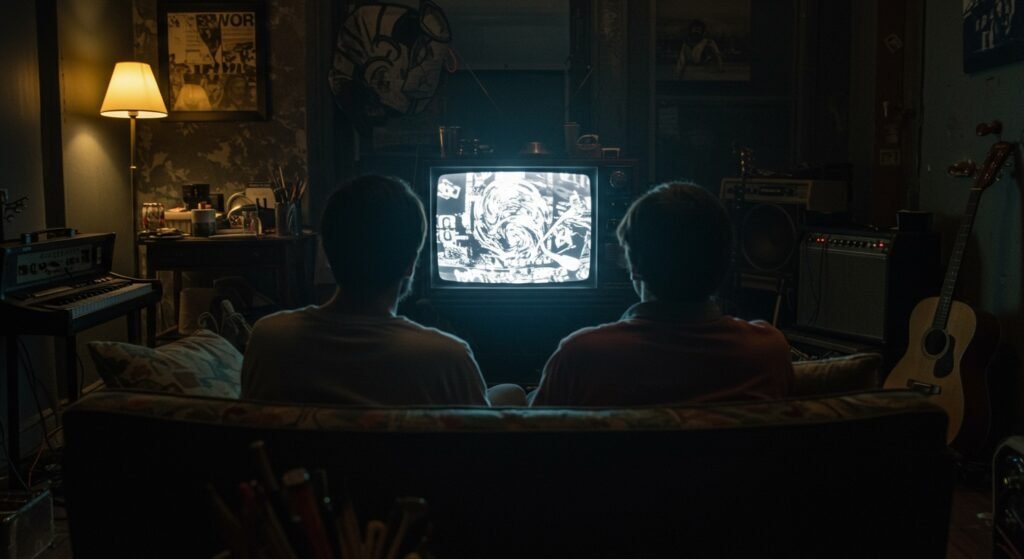
In the landscape of musical and political history, few couples are as iconic or as intertwined with the spirit of protest as John Lennon and Yoko Ono. A new documentary, titled “‘One to One: John & Yoko’,” offers an intimate examination of their lives during a pivotal period in New York City, particularly focusing on how their perspective on America and its societal issues was profoundly shaped by their consumption of television.
Presented in the immersive Imax format, the film delves into the genesis of their politically charged music, directly linking it to the injustices they witnessed unfolding on their television screen. This consumption of media, the documentary suggests, served as a powerful catalyst, fueling their commitment to activism and informing the lyrical content of their protest songs.
Television as a Catalyst for Protest
The core premise explored by “‘One to One: John & Yoko'” is the direct correlation between Lennon and Ono’s engagement with American television broadcasts and the themes present in their musical output. According to the film’s narrative, daily news reports and television programming provided a window into the social and political turmoil of the era. The injustices and events they observed on TV screens became the subject matter for powerful protest anthems.
This connection is particularly highlighted in relation to songs like “Attica State” and “John Sinclair.” These tracks, featured on their 1972 album “Some Time in New York City,” are presented by the documentary as direct responses to specific socio-political issues of the time, issues brought into their living room via television.
The Madison Square Garden Concert and Album Context
The documentary specifically references the significant Madison Square Garden concert, a major event associated with this period of their activism. While the summary does not elaborate on the concert’s details, its inclusion alongside the discussion of the “Some Time in New York City” album and the television influence underscores the performative aspect of their protest. The film seemingly aims to contextualize their music within the live performance space of Madison Square Garden and against the backdrop of the real-world events depicted on television that inspired the songs.
The album “Some Time in New York City” is characterized by its overtly political stance, addressing various contemporary issues head-on. “Attica State,” for instance, was written in response to the Attica Prison riot, while “John Sinclair” championed the cause of the imprisoned activist and poet. The documentary posits that the raw material for these passionate calls for change was, in part, delivered directly to Lennon and Ono through televised news coverage and commentary.
Filmmaking Approach and Intimacy
Co-directed and edited by Sam Rice-Edwards, the documentary employs a distinct filmmaking strategy to convey its message. It attempts, according to the provided information, to contrast footage of their concerts, such as the one held at Madison Square Garden, with contemporary news clips. This juxtaposition serves to visually connect the performance of their protest music with the actual events and issues that inspired it, illustrating the film’s central thesis about the media’s influence.
Beyond the political and public aspects of their lives, “‘One to One: John & Yoko'” also strives for a sense of intimacy. To achieve this, the filmmakers have taken steps to recreate their New York apartment, aiming to place viewers within their personal space where much of their television consumption and creative collaboration occurred. This recreated environment is complemented by the inclusion of archival phone conversations, offering seemingly unfiltered glimpses into their private discussions and thoughts.
Further enhancing this sense of intimacy and revealing aspects of their unconventional lives and artistic process, the documentary includes specific, seemingly minor details. One such detail mentioned is Yoko Ono’s research into live flies for her art. The inclusion of such unique and personal facets suggests an attempt by the film to provide a multifaceted portrait that goes beyond their public personas as political activists.
Conclusion: A Portrait Shaped by Media
In conclusion, “‘One to One: John & Yoko’,” presented in the Imax format, offers a focused look at how John Lennon and Yoko Ono’s perspective on American society was significantly shaped by their interaction with television. By linking their viewing habits to the creation of powerful protest songs like “Attica State” and “John Sinclair” from the album “Some Time in New York City,” and contextualizing this against events like the Madison Square Garden concert, the film presents a compelling argument about the interplay between media consumption, artistic creation, and political activism. Through a combination of concert footage, news clips, recreated environments, and archival personal details, the documentary co-directed and edited by Sam Rice-Edwards attempts to deliver both a politically charged narrative and an intimate look at two iconic figures.
More Stories
Waterbaby’s ‘Memory Be a Blade’ Delves Deeply into Post-Breakup Healing
Waterbaby’s Debut ‘Memory Be a Blade’: A Deep Dive into Post-Breakup Healing
Latest Movie Reviews: Four New Films Offer Diverse Critical Praise