











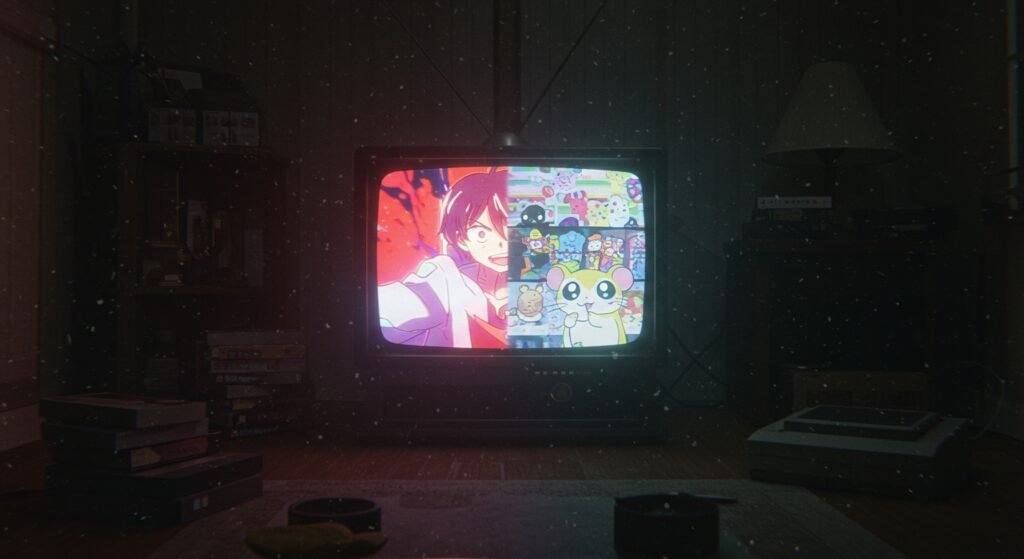
Cartoon Network holds a significant place in the history of introducing Japanese animation, commonly known as anime, to mainstream audiences in the United States. During the late 20th and early 21st centuries, the network’s programming blocks, such as Toonami, became crucial pipelines for exposing millions to titles that had previously been niche.
While many anime series aired on Cartoon Network achieved considerable popularity and cultural impact, cementing the network’s legacy as a key player in the popularization of the medium stateside, not every title resonated equally with viewers. A recent analysis highlights this complex legacy, examining the network’s overall impact while specifically identifying seven distinct shows that, despite being broadcast, were widely considered unsuccessful or “missed the mark” with American audiences.
Cartoon Network’s Enduring Influence on U.S. Anime Fandom
The role of Cartoon Network in shaping the perception and accessibility of anime in the U.S. cannot be overstated. By airing series with diverse genres and styles, from action-packed epics to more character-driven narratives, the network helped cultivate a dedicated fanbase and laid groundwork for the broader acceptance of anime in popular culture. Its strategic scheduling and sometimes edited presentations made foreign content palatable and engaging for a young demographic, often serving as the first exposure to anime for an entire generation.
However, the network’s expansive catalog meant taking risks, and not all acquisitions yielded success. The seven series identified represent instances where, for various reasons ranging from content suitability to timing or audience reception, the intended connection with viewers failed to materialize as hoped.
The Seven Shows That Didn’t Land
Among the titles cited as examples of shows that struggled to find their footing on the network are several productions that perhaps proved too unconventional, too specific in their humor, or simply didn’t capture the audience’s imagination in the same way as hits like Dragon Ball Z or Sailor Moon.
A prominent example discussed is the FLCL series. Known for its rapid pacing, surrealist imagery, and complex narrative, FLCL originally premiered in Japan in the early 2000s. Its experimental nature, while critically acclaimed by some, may have been a barrier for a broader U.S. audience expecting more traditional storytelling. Furthermore, subsequent installments in the franchise, including FLCL: Progressive and FLCL: Alternative, both of which premiered in 2018, and the later series FLCL: Grunge and FLCL: Shoegaze, which premiered in 2023, also featuring the enigmatic character Haruko Haruhara, are noted as part of this collection of shows that didn’t achieve widespread mainstream success on the network, despite the original’s cult status.
Another series highlighted is Hamtaro. This anime, produced by TMS Entertainment and based on the manga by Ritsuko Kawai, centers around a hamster named Hamtaro and his adventures with his group of hamster friends, known as the Ham-Hams. While popular in its native Japan and among a specific demographic in the U.S., its gentle, often slow-paced, and very young-skewing content may not have fit seamlessly into programming blocks alongside action or comedy series aimed at slightly older children, potentially limiting its broader reach and impact on the network.
Also included in the list is Crayon Shin-chan. This slice-of-life anime, produced by Shin-Ei Animation, follows the daily life of a mischievous five-year-old boy named Shinnosuke “Shin” Nohara. The series is specifically described as an infamously raunchy program, known for its adult-oriented humor, crude jokes, and sometimes inappropriate situations involving its young protagonist. While edited for Western broadcast, the core nature of its humor and themes likely presented significant challenges for Cartoon Network, a channel primarily targeting children, contributing to its designation as a series that ultimately missed the mark in achieving broad, sustained popularity in the U.S. market via the network’s platform.
The analysis underscores that while these seven shows may not have achieved the same level of success as Cartoon Network’s anime block mainstays, their presence still contributed to the overall volume and variety of anime available to American viewers at the time.
Conclusion: A Mixed Legacy
Cartoon Network’s venture into broadcasting Japanese animation was undeniably transformative for the U.S. media landscape. It opened doors for countless fans and future industry professionals. However, the cases of the seven shows that missed the mark, including specific installments of the FLCL franchise featuring Haruko Haruhara, the TMS Entertainment production Hamtaro based on Ritsuko Kawai’s work and starring the Ham-Hams, and the infamously raunchy Shin-Ei Animation series Crayon Shin-chan focusing on Shinnosuke “Shin” Nohara, serve as reminders that even with significant platforming, audience reception can be unpredictable. They represent the inevitable misses within a strategy that otherwise yielded significant hits, solidifying Cartoon Network’s complex but pivotal legacy in bringing anime to the forefront of American entertainment.
More Stories
Sweet Magnolias Creator Bids Emotional Farewell After Cancellation
Lady Gaga Welcomes Daughter Rose Bean Polansky
Ranbir & Alia Launch Major 20-School Mumbai Makeover