








The British Broadcasting Corporation (BBC) has publicly stated it “regrets” its decision not to immediately halt the live transmission of a performance by the British punk-rap duo Bob Vylan at the Glastonbury Festival on Saturday, June 28. The performance drew significant criticism after the band led sections of the crowd in chants that included “Death, death to the IDF” and “Free, free Palestine”.
The broadcaster described the chants as “deeply offensive” and “antisemitic.” While emphasizing its commitment to freedom of expression, the BBC clarified that it draws a line at what it considers incitement to violence.
The Incident at Glastonbury
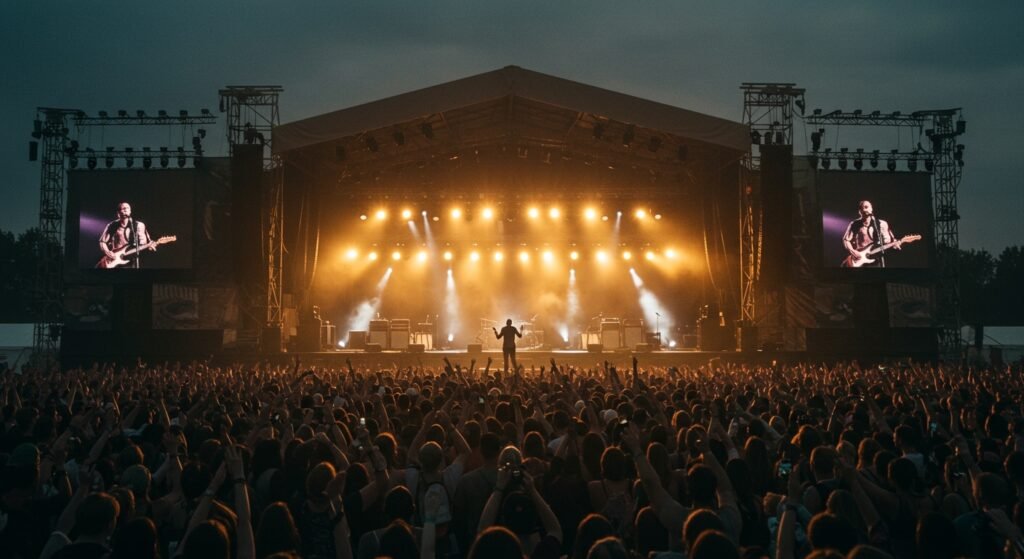
The controversial performance took place as part of the extensive coverage of the annual Glastonbury Festival, a major cultural event in the UK. Bob Vylan, known for their politically charged lyrics and energetic live shows, were performing when the chants occurred. Eyewitness accounts and video footage circulating online captured the band engaging with the audience, leading them in the specific phrases targeting the Israel Defence Forces (IDF) and expressing support for Palestine.
The incident quickly ignited debate on social media and garnered attention from media outlets beyond the festival coverage, focusing on the nature of the chants and the broadcaster’s responsibility in live programming.
BBC’s Response and Broadcasting Decisions
Following the backlash, the BBC issued a statement acknowledging the controversy. The corporation confirmed it had transmitted the performance live on its BBC iPlayer platform. During this live stream, a warning graphic was displayed to viewers. However, the BBC later acknowledged that this measure was insufficient.
In its statement, the BBC explicitly said it “should have pulled” the live broadcast during the problematic segment. The decision not to remove the content at that moment has been the focus of the broadcaster’s subsequent expression of regret. Notably, while the performance was live-streamed with a warning, the BBC subsequently decided not to make the Bob Vylan set available on demand via its iPlayer service, a standard practice for acts performing at the festival.
The BBC reiterated its position on balancing editorial guidelines with artistic freedom. A spokesperson stated, “We respect freedom of expression but this should not extend to incitement to violence or antisemitic language.” The broadcaster’s internal review will likely examine the procedures and protocols in place for managing unforeseen controversial moments during live cultural event coverage.
Wider Repercussions and Condemnation
The fallout from the Bob Vylan performance extended beyond the BBC’s immediate response.
Avon and Somerset Police confirmed they are actively assessing video evidence of the incident to determine whether any criminal offences were committed during the performance. The focus of such an investigation would typically be on whether the chants constitute incitement to hatred or other public order offences under UK law.
Festival organizers at Glastonbury also weighed in, condemning the chants. In a statement, they indicated that the band’s actions “very much crossed a line,” distancing the festival itself from the specific political rhetoric used by the performers on stage. Glastonbury has a history of hosting artists with diverse political views, but the nature of the Bob Vylan chants appears to have prompted a rare direct rebuke from the organizers.
The incident also drew condemnation from across the UK political spectrum. Leading figures, including Prime Minister Keir Starmer, were among those who publicly criticized the chants. The swift and broad political reaction underscored the sensitivity surrounding language related to the Israeli-Palestinian conflict, particularly in public forums and on national broadcast platforms.
Navigating Expression and Responsibility
The Bob Vylan incident at Glastonbury and the subsequent reaction highlight the ongoing tension between artistic freedom, political expression, and the responsibilities of broadcasters and event organizers. While artists often use platforms like Glastonbury to convey strong political messages, the specific nature of chants deemed offensive or potentially inciting violence raises questions about acceptable boundaries.
The BBC’s regret over its handling of the live stream points to the challenges of moderating content in real-time during major cultural events. The decision not to make the performance available on demand suggests a recognition of the content’s problematic nature after initial live transmission. As investigations by law enforcement proceed and internal reviews by the BBC conclude, the incident is likely to inform future approaches to broadcasting politically charged performances at large public events.
The controversy serves as a reminder of the complex landscape broadcasters and event organizers navigate when balancing diverse artistic voices with the need to uphold standards against hate speech and incitement.
More Stories
iHeartRadio Music Festival 2026 Ignites Las Vegas
Hyde Park Jazz Fest at 20: A Sonic Milestone for Chicago
Americanafest 2026: Nashville Readies for Global Roots Music Milestone