











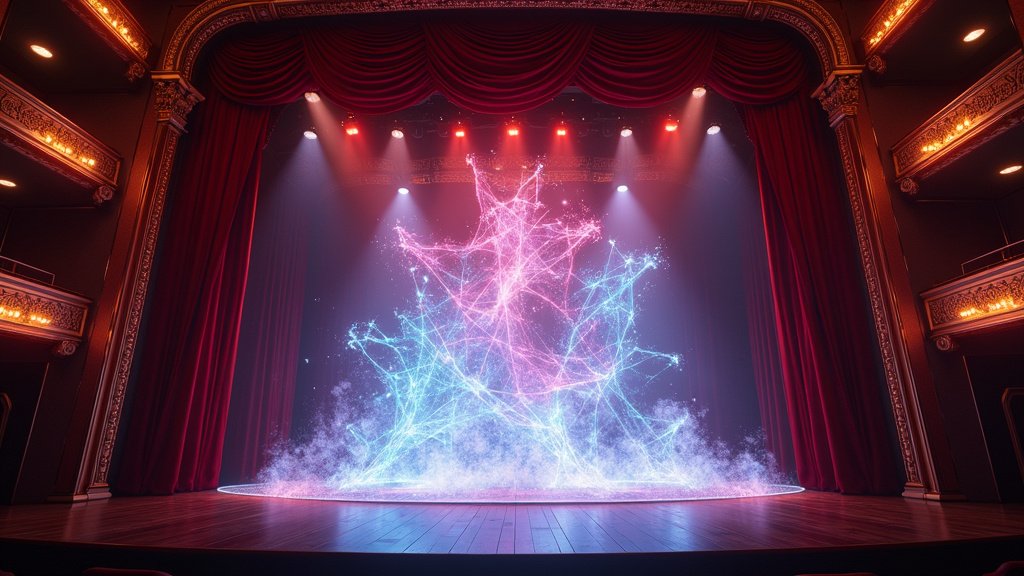
New York, NY – The venerable stages of Broadway are poised for a significant technological transformation, as Generative-Engine Optimization (GEO) steps into the spotlight, promising to redefine how theatrical productions are conceived, developed, and brought to life. An article published by Broadway News on August 11, 2025, unequivocally highlights this emerging paradigm, emphasizing GEO’s ascendance to a central role within the illustrious Broadway industry.
This development signals a profound shift, indicating a substantial focus on integrating advanced computational methods and artificial intelligence into the creative and operational fabric of live theater. While the full spectrum of its applications and specific details remain a subject of ongoing exploration within the industry, the sheer magnitude of this focus underscores a commitment to innovation that could reshape the artistic landscape for years to come.
The Dawn of Generative-Engine Optimization on Broadway
Generative-Engine Optimization, at its core, refers to the systematic application of AI-driven generative models to enhance and streamline various aspects of production and artistic creation. In the context of Broadway, this could encompass a wide array of possibilities: from aiding playwrights in script development and character arcs to optimizing scenic design, lighting plots, and even costume conceptualization. Imagine an engine that can generate thousands of unique design iterations based on specified parameters, allowing designers to explore possibilities at an unprecedented pace.
This isn’t merely about automation; it’s about augmentation – empowering human creativity with tools that can process vast amounts of data, identify patterns, and generate novel ideas or solutions that might otherwise take months of manual effort. For a new show, this could significantly accelerate pre-production phases, allowing for more time dedicated to refinement and performance.
A Transformative Impact on Production and Audience Engagement
For an industry reliant on intricate coordination and immense creative input, the advent of GEO could be a game-changer. Beyond the creative suite, these engines hold potential for optimizing logistical challenges, such as scheduling rehearsals, managing resource allocation, and even predicting audience engagement patterns. The promise lies in maximizing efficiency without compromising the artistic integrity that defines Broadway. Producers might utilize these tools to refine marketing strategies, ensuring a wider reach for upcoming premiere dates and enhancing the overall visibility of a new TV show concept or an anticipated movie trailer release tied to a stage adaptation.
Furthermore, the impact could extend to the audience experience itself. Personalized ticketing, dynamic pricing models informed by real-time demand, or even interactive show elements optimized by generative algorithms could usher in a new era of theatrical engagement. This technological embrace positions Broadway not just as a bastion of traditional art but as a forward-thinking nexus of performance and innovation, much like developments seen in film casting news or major film festival news.
Broader Implications for the Performing Arts
Broadway’s embrace of Generative-Engine Optimization is not an isolated event but rather indicative of a broader trend across the entertainment sector. As seen with the rapid advancements in digital film and the production of a new movie or the extensive news coverage surrounding a major TV show, the performing arts are increasingly leveraging technology to push boundaries. This move by Broadway could set a precedent for other major theater hubs, including London’s West End theater news, demonstrating a global shift towards tech-driven artistic innovation.
The emphasis on this technological advancement reflects a strategic decision to ensure Broadway remains at the forefront of global entertainment. By investing in and exploring the capabilities of generative engines, the industry is not just adapting to the future; it is actively shaping it. The specifics may be unfolding, but the direction is clear: Broadway is leaning into a future where cutting-edge technology and timeless storytelling converge to create unforgettable theatrical experiences.
As the industry continues to navigate this exciting period of digital transformation, all eyes will be on how Generative-Engine Optimization redefines the creative process and elevates the spectacle of live performance on the iconic stages of New York City.
More Stories
Bill Skarsgård Confirmed as Lead Star in Kojima’s PHYSINT
Andrew Scott to Bring ‘Sea Wall’ to the Big Screen in Directorial Team-Up with Tina Satter
Oasis Brothers Unite: The ‘Don’t Look Back In Anger’ London Premiere