











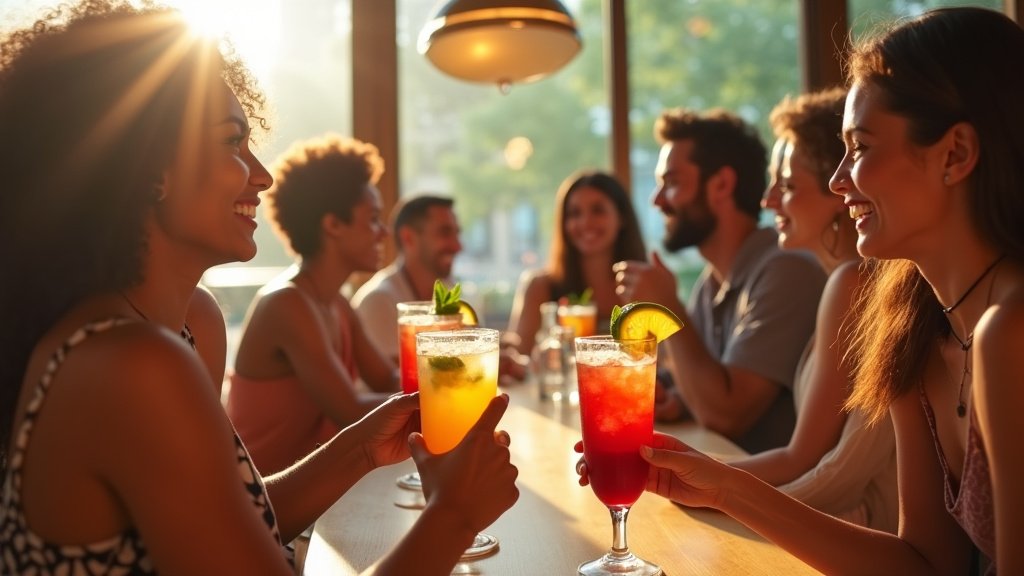
A groundbreaking Gallup poll has unveiled a significant shift in national habits, revealing a new low in the percentage of Americans who report consuming alcohol. This unprecedented finding signals a notable evolution in contemporary American culture, prompting widespread interest and deeper investigation into the underlying causes of this changing landscape.
The findings, which represent a substantial departure from historical trends, underscore a gradual yet pronounced decline in alcohol consumption across the nation. This key piece of news offers a snapshot of a population increasingly re-evaluating its relationship with alcoholic beverages, impacting social norms, health considerations, and economic sectors tied to the industry.
Unpacking the Trend: NPR’s Analytical Deep Dive
The immediate impact of the Gallup poll’s revelations has spurred comprehensive analysis, with NPR leading an insightful exploration into the multifaceted factors contributing to this downward trend. Their meticulous work goes beyond merely reporting the numbers, aiming to dissect the complex web of influences that are reshaping American drinking habits. This analysis is crucial for understanding the broader societal implications of such a significant cultural shift.
NPR’s comprehensive study has delved into various aspects that could be driving this decline. While specific details of these factors remain the subject of ongoing research and public discourse, the analysis points to a confluence of elements, ranging from evolving health consciousness and wellness movements to economic pressures and changing generational preferences. The very notion that a large-scale shift like this is occurring suggests a deeper societal introspection regarding lifestyle choices and personal well-being.
Demographic Shifts and Their Role
A critical component of NPR’s analysis involves identifying the specific demographic groups that are at the forefront of this decrease in drinking habits. Pinpointing these segments of the population is vital for understanding the nuances of the trend and for forecasting its potential trajectory. Whether it involves younger generations opting for sobriety, increased awareness among certain age brackets, or shifts within particular ethnic or socio-economic groups, these demographic insights are fundamental to grasping the full scope of the change.
The identification of these contributing demographic groups highlights a fragmented but distinct movement away from traditional alcohol consumption patterns. For instance, growing segments of the population might be embracing alternative social activities, prioritizing mental and physical health more acutely, or being influenced by peer groups and social media trends that promote alcohol-free lifestyles. These shifts within specific populations underscore a diversification of recreational activities and a redefinition of social engagement that doesn’t necessarily revolve around alcohol.
Implications for American Society and Beyond
This new low in alcohol consumption, as revealed by the Gallup poll and elucidated by NPR’s analysis, carries profound implications for various sectors of American society. From public health initiatives, which may see positive long-term effects on chronic disease rates, to the beverage industry, which will likely need to adapt its strategies and product offerings, the ripple effects are far-reaching. The news signifies a potential reorientation of American leisure and social interaction, presenting both challenges and opportunities.
Furthermore, understanding this cultural evolution is essential for policymakers, educators, and community leaders seeking to promote healthier lifestyles and foster vibrant, inclusive communities. The trend suggests a growing awareness and preference for choices that support well-being, indicating a possible future where alcohol plays a less central role in the daily lives and social fabric of many Americans.
In conclusion, the Gallup poll’s finding of a new low in American alcohol consumption marks a pivotal moment in the nation’s cultural narrative. Coupled with NPR’s insightful analysis identifying the key factors and specific demographic groups driving this trend, the news offers a compelling glimpse into an evolving society. This ongoing transformation invites further discussion and observation as Americans continue to redefine their relationship with health, wellness, and social habits.
More Stories
Lowriding’s Rise: SF Celebrates Cruising Culture
U.S. Repatriates 64 Cultural Relics and Fossils to China
Betting on Viral Fame: Novig’s Strategic Use of Sydney Sweeney