











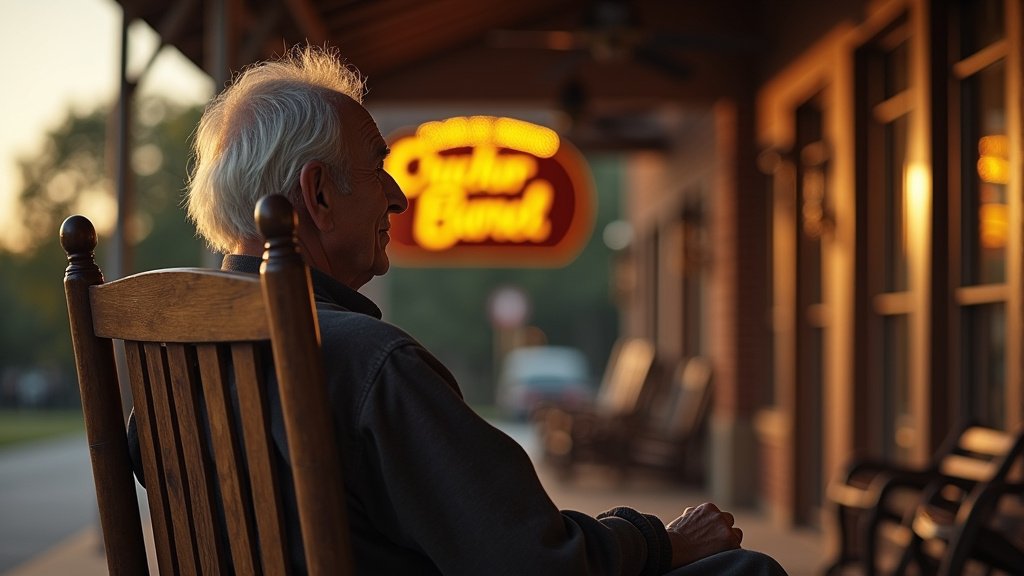
Cracker Barrel, a beloved American institution synonymous with homestyle comfort and nostalgic charm, is currently navigating a storm of controversy following a significant brand overhaul. The company’s recent decision to update its iconic logo and interior design has triggered a wave of backlash from loyal customers and online critics, igniting debates that echo broader culture war discussions across the nation.
The Brand’s New Look Sparks Outrage
At the heart of the controversy is Cracker Barrel’s decision to retire its long-standing logo, which featured a man affectionately known as “Uncle Herschel” or “Old Timer” relaxing by a barrel. The newly unveiled logo is a simplified, text-only design, featuring the “Cracker Barrel” name within a rounded gold border. This move, the company states, is the fifth evolution of its logo, aiming to be more closely aligned with its original 1969 text-based design and function better across digital platforms. This logo change is part of a larger, $700 million rebrand that also encompasses interior redesigns for its more than 660 locations. The renovations are shifting away from the chain’s signature “kitschy American aesthetic” towards a “lighter, brighter, fresher” and more modern, yet streamlined, motif.
“Woke” Accusations and the Culture War Context
The rebranding efforts have been met with sharp criticism, with many accusing Cracker Barrel of abandoning its traditional roots and embracing “woke” ideology. Conservative activists, including Robby Starbuck, have been particularly vocal, describing the changes as a “brutal takedown” and a move from “old American nostalgia” to something “cold, dead, lifeless and modern.” Donald Trump Jr. and other political figures have amplified these sentiments, with some suggesting the changes are a result of diversity, equity, and inclusion (DEI) initiatives, reminiscent of controversies faced by brands like Bud Light and Target. Critics argue that the company is alienating its core customer base, which is largely composed of traditionalists, in favor of a progressive agenda, thereby engaging in “brand suicide.”
Company Defense and Demographic Dilemma
Cracker Barrel CEO Julie Felss Masino has defended the changes, stating that the company needs to feel relevant for “today and for tomorrow” and that customer feedback has been “overwhelmingly positive.” The company insists that its core values and the “heart and soul” of Cracker Barrel remain unchanged, asserting that “Uncle Herschel” continues to be a central figure in their restaurants and on their menus. However, with an average customer age of approximately 55, Cracker Barrel faces a significant challenge in balancing the appeal to its established, older demographic with efforts to attract younger consumers. The brand’s traditional identity has long resonated with customers seeking a connection to a perceived simpler, more nostalgic American past.
Financial Repercussions and Expert Opinions
The backlash has not been without financial consequences. Cracker Barrel’s stock experienced a significant plunge following the logo redesign announcement, with reports indicating drops of over 10% and a loss of tens of millions of dollars in market value. Marketing experts have noted that such drastic changes without a compelling narrative or testing with the core customer base can be a significant misstep, potentially alienating loyal patrons and investors. The situation has drawn parallels to other brand missteps that became flashpoints in the ongoing culture wars, underscoring the delicate balance companies must strike between modernization and maintaining brand heritage.
Looking Ahead
As Cracker Barrel navigates this turbulent period, the company faces the difficult task of reconciling its forward-looking modernization strategy with the deep emotional connection many Americans have with its enduring, traditional brand identity. The news surrounding this rebrand highlights the increasing complexity for American businesses caught in the crossfire of evolving consumer expectations and intense cultural debates.
More Stories
Lowriding’s Rise: SF Celebrates Cruising Culture
U.S. Repatriates 64 Cultural Relics and Fossils to China
Betting on Viral Fame: Novig’s Strategic Use of Sydney Sweeney