











NEW YORK – The vibrant lights of Broadway could soon dim as Actors’ Equity Association, the union representing approximately 900 actors and stage managers, gears up for a potential strike. Negotiations with The Broadway League, the trade association for producers and theater owners, have reached a critical juncture following the expiration of the current contract on September 28, 2025. The primary sticking point is the union’s demand for increased employer contributions to the healthcare fund, which is projected to face a significant deficit by May 2026.
The Core of the Conflict: Healthcare Contributions
The central issue in the ongoing contract negotiations revolves around the financial health of the Equity-League Health Fund. Actors’ Equity argues that the current rate of employer contributions, which has reportedly remained unchanged for over a decade, is insufficient to meet the rising costs of healthcare. Union president Brooke Shields has underscored the urgency, stating, “Asking our employers to care for our bodies, and to pay their fair share toward our health insurance is not only reasonable and necessary, it’s an investment they should want to make toward the long-term success of their businesses”. She emphasized the fundamental need for stable health insurance, adding, “There are no Broadway shows without healthy Broadway actors and stage managers. And there are no healthy actors and stage managers without safe workplaces and stable health insurance”.
A Looming Shutdown and Industry Echoes
With the no-strike clause of the previous contract now void, Actors’ Equity has the leverage to call for a walkout, which could bring more than 30 Broadway productions to a halt, potentially impacting the industry during its peak season. This standoff occurs against a backdrop of increased labor action across the entertainment industry, including recent strikes by writers and actors in Hollywood in 2023 and a walkout by video game actors in 2025. These events highlight a broader trend of union assertiveness in demanding fair compensation and working conditions, whether for new movie releases or upcoming TV show seasons.
Historical Precedent and Potential Impact
Broadway has a long history of labor disputes, with significant strikes shaping its landscape. The pivotal strike of 1919 established Actors’ Equity as a formidable force, fundamentally altering the relationship between performers and producers. Subsequent strikes in 1960, 1964, and 1968 also led to notable gains in wages and working conditions. The current situation evokes these past struggles, with both sides expressing a desire for resolution. The Broadway League has stated that it is “continuing good-faith negotiations” to “reach a fair agreement” that benefits all stakeholders, from the shows and crews to the millions of global theatergoers.
What Lies Ahead for Broadway News?
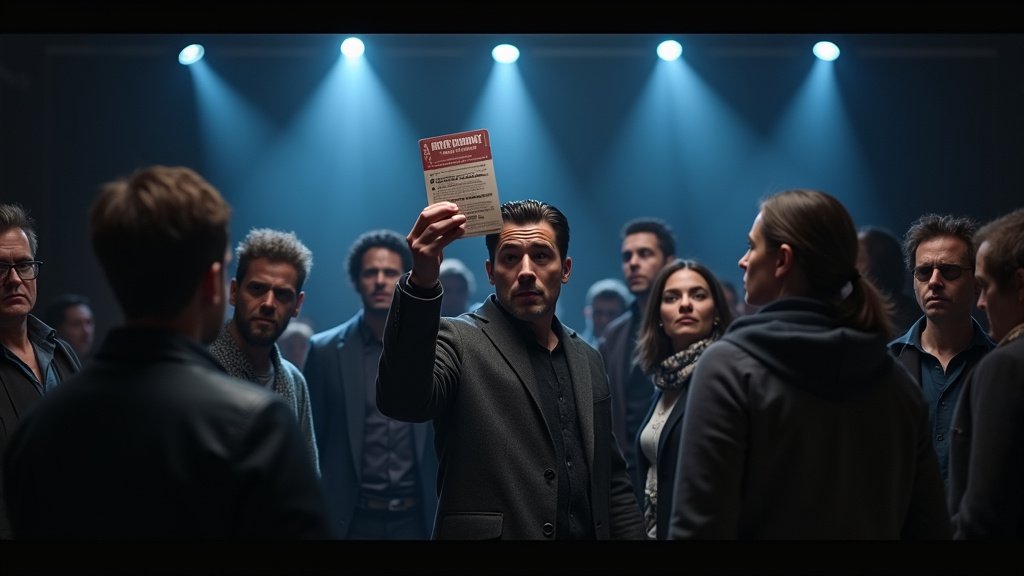
As negotiations continue, the outcome remains uncertain. The union has already begun distributing “strike pledge cards,” indicating a readiness to act if an agreement cannot be reached. The potential strike not only threatens the immediate future of Broadway musicals and plays but also serves as a microcosm of ongoing labor discussions within the broader performing arts and entertainment sectors, touching upon issues relevant to film casting news and even West End theater developments. The coming days will be crucial in determining whether the curtain will fall on Broadway due to this labor dispute, or if a new agreement can be forged to ensure the continued magic of live theater.
More Stories
Bill Skarsgård Confirmed as Lead Star in Kojima’s PHYSINT
Andrew Scott to Bring ‘Sea Wall’ to the Big Screen in Directorial Team-Up with Tina Satter
Oasis Brothers Unite: The ‘Don’t Look Back In Anger’ London Premiere