











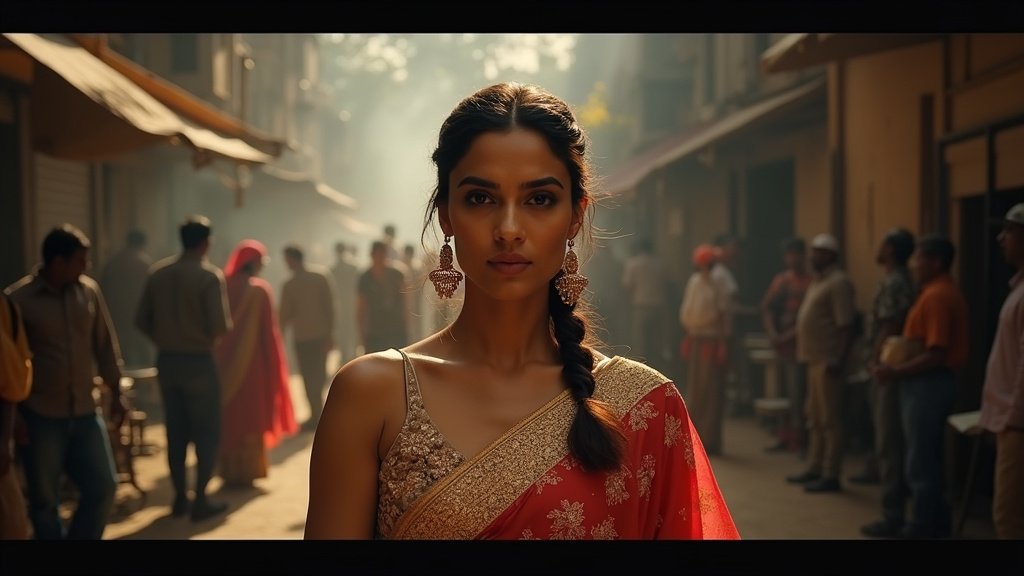
In a candid and impactful interview, Bollywood powerhouse Deepika Padukone has directly addressed the deeply entrenched gender biases and chaotic work culture prevalent in the Indian film industry. Speaking on the eve of World Mental Health Day, Padukone articulated her stance on fair working hours, her recent professional decisions, and the urgent need for systemic change within the sector often characterized by its ‘chalta hai’ (it’s okay) ethos.
The Eight-Hour Discrepancy
Padukone’s remarks come in the wake of intense speculation surrounding her exits from major upcoming projects, including Sandeep Reddy Vanga’s ‘Spirit’ and the sequel to ‘Kalki 2898 AD’. Reports suggested her departure was linked to demands for a more structured eight-hour workday. Addressing this directly, Padukone pointed out a stark disparity in how such requests are perceived based on gender. “It is no secret that a lot of superstars, male superstars, in the Indian film industry have been working for eight hours for years, and it’s never made headlines,” she stated.
She elaborated that while male actors often work limited hours, sometimes adhering to a Monday-to-Friday, eight-hour schedule without working weekends, their arrangements rarely generate controversy. “But when a woman says the same thing, suddenly it becomes newsworthy,” Padukone observed, highlighting how women, especially new mothers, are often labeled ‘pushy’ or ‘demanding’ for asserting similar boundaries. Her advocacy is rooted in the belief that fair treatment and professionalism should not be contingent on gender.
A ‘Brutal’ and Disorganized Industry
Beyond specific work hours, Padukone described the broader operational framework of Bollywood as “brutal” and fundamentally “disorganized”. She emphasized that despite being termed an “industry,” the Indian film sector has historically not operated with the structure and discipline found in organized businesses. “If a system has worked for so long, we don’t question it—but I’m always looking for ways to make things better,” she remarked, signaling her proactive approach to industry reform.
This critique resonates with broader discussions about work-life balance and burnout in the entertainment world. Director Hansal Mehta has also voiced similar concerns, noting how 12-hour days are casually referred to as ‘shifts’ and that “exhaustion became normalised and rest became a privilege”. Padukone’s call is for a conscious shift towards more systematic approaches, transparency, and respect for personal boundaries.
Championing Mental Health and Fairness
Padukone, a vocal advocate for mental health awareness through her Live Love Laugh Foundation, sees structured work environments as intrinsically linked to better mental well-being. She argues that an “organized, empathetic, and fair work environment” naturally creates the space needed for employees to thrive mentally. Her initiative aims to foster a culture where professionalism includes respect for personal time and limits, which is particularly crucial for female professionals and those balancing career with family responsibilities.
Setting New Standards for Entertainment Stories
Deepika Padukone’s outspokenness challenges the status quo in the top tier of Indian entertainment. By highlighting these systemic issues, she is not only advocating for herself but also paving the way for a more equitable future for countless individuals working within the film industry. Her stance underscores the need for progressive changes that reflect modern values of balance, fairness, and well-being, ensuring that the demanding nature of filmmaking does not come at the cost of its people’s health and personal lives. As she continues her career, with upcoming projects like ‘King’ alongside Shah Rukh Khan, her impact extends beyond her on-screen performances, influencing the very fabric of how entertainment is created and experienced.
The implications of her statements are far-reaching, potentially prompting a re-evaluation of industry norms and setting new precedents for how work is conducted, thus contributing to a richer tapestry of stories that can be told when the creators themselves are cared for.
More Stories
Sweet Magnolias Creator Bids Emotional Farewell After Cancellation
Lady Gaga Welcomes Daughter Rose Bean Polansky
Ranbir & Alia Launch Major 20-School Mumbai Makeover