











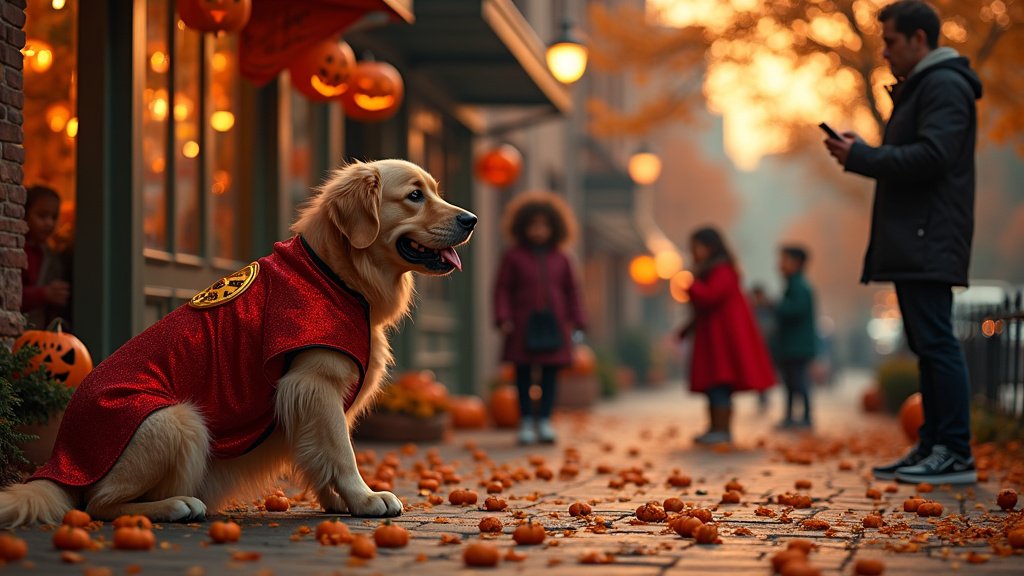
Americans are set to spend a staggering $13.1 billion on Halloween this year, marking a new record for the holiday and signaling its ever-growing prominence in the nation’s cultural calendar. This unprecedented spending spree reflects a significant surge from previous years, driven by a diverse array of celebrations, from elaborate decorations to increasingly popular pet costumes, and a deep influence from pop culture trends.
The Economic Haul of All Hallows’ Eve
The National Retail Federation (NRF) projects that total Halloween spending will reach $13.1 billion in 2025, surpassing last year’s $11.6 billion and the previous record of $12.2 billion set in 2023. This remarkable figure translates to an average per-person spend of $114.45, an all-time high that nearly eclipses the previous record by $11. Despite concerns over tariffs and inflation impacting prices, consumers are prioritizing the holiday, with nearly three-quarters of Americans (73%) planning to celebrate. This broad participation underscores Halloween’s widespread appeal as a secular holiday that brings communities together.
Beyond the Basics: What’s Driving the Surge?
While candy remains a perennial favorite, commanding an estimated $3.9 billion in sales, the significant growth is also evident in other categories. Costumes are expected to generate $4.3 billion, with 71% of celebrants purchasing them. Decorations are close behind, with an estimated $4.2 billion expected to be spent by 78% of consumers.
Furry Friends Take Center Stage
A particularly eye-catching trend is the booming market for pet costumes. Americans are projected to spend an impressive $860 million, or nearly $1 billion according to some estimates, on dressing up their pets for Halloween. This reflects a broader societal shift towards treating pets as integral family members and a growing willingness to lavish them with special occasion attire. Popular pet costumes range from classic pumpkins and hot dogs to bumblebees and superheroes.
Pop Culture’s Pervasive Presence
The influence of pop culture on Halloween celebrations is more pronounced than ever. Characters from blockbuster movies, trending TV shows, and viral social media moments are increasingly dictating costume choices for both children and adults. This phenomenon fuels demand across various retail sectors, turning popular media into direct inspiration for Halloween wardrobes and driving early shopping as consumers seek out the latest must-have outfits.
Halloween’s Growing Cultural Footprint
The increasing participation rates highlight Halloween’s evolution into a major secular celebration. Since 2005, the percentage of Americans planning to celebrate has nearly doubled, moving from just over half to nearly three-quarters. This expansion is fueled by its inclusive nature, offering a chance for diverse communities to engage in fantasy and fun without religious ties.
Younger generations, particularly Millennials and Gen Z, are significant drivers of this spending. They are not only spending more on average but are also leading the charge in early shopping and leveraging social media for inspiration and purchases. This demographic sees Halloween as a key event for creating memories and engaging in experiences, contributing to its prolonged celebration season, often dubbed ‘Summerween’.
Retailers Respond to the Boom
Retailers have adapted to this growing demand by stocking Halloween merchandise earlier than ever, with many displaying items as early as August, sometimes even before back-to-school supplies. Discount stores remain a popular destination for budget-conscious shoppers, followed by specialty Halloween stores and online retailers. This early stocking allows consumers to spread out their purchases, manage budgets, and avoid last-minute shopping stress.
As Halloween continues its ascent, its transformation from a niche event to a major cultural and economic powerhouse is undeniable. The record-breaking spending in 2025 underscores its enduring appeal and its significant, evolving place in American culture.
More Stories
Lowriding’s Rise: SF Celebrates Cruising Culture
U.S. Repatriates 64 Cultural Relics and Fossils to China
Betting on Viral Fame: Novig’s Strategic Use of Sydney Sweeney