











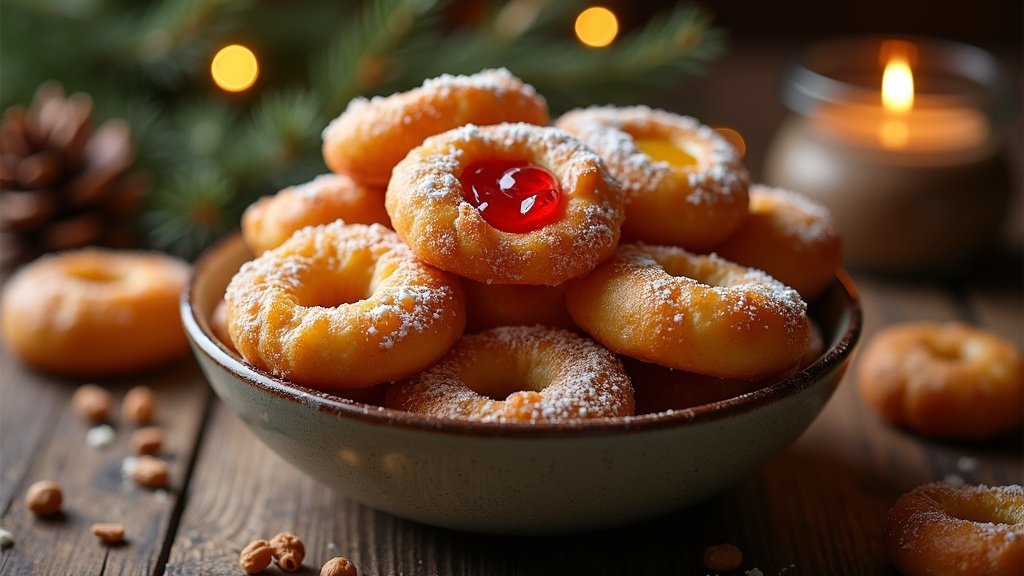
The Fried Dough Holiday is a beloved treat that appears across many cultures during the festive season. From Hanukkah to Carnival, these sweet pastries connect people, bringing warmth and joy. This tradition spans continents, offering a taste of shared humanity and a delicious part of the Fried Dough Holiday experience.
Global Roots of Fried Dough: A Fried Dough Holiday Foundation
The history of fried dough is rich, with its origins tracing back to Africa and the Middle East. Ancient civilizations prepared fried breads, and enslaved Africans brought these traditions to the Americas, adapting recipes with available ingredients. This led to dishes like fritters and beignets. Caribbean cultures feature “festivals” and “bakes,” treats that showcase resilience and cultural adaptation. European traditions also contribute significantly to the Fried Dough Holiday. As sugar became more affordable and fruit preserves more popular, early recipes for filled doughnuts emerged in the 15th century, and these European sweets eventually spread worldwide. This rich background forms the basis for many Fried Dough Holiday celebrations.
Hanukkah’s Fried Delights: A Fried Dough Holiday Staple
Judaism celebrates Hanukkah with a variety of fried foods, a tradition honoring the miracle of oil that burned for eight days. Sufganiyot, a key Hanukkah treat, are jelly-filled doughnuts that originated in Europe. Polish Jews called them “ponchiks” and fried them in schmaltz, adhering to kashrut laws. Immigrants brought the recipe to Israel, where they became known as “sufganiyot,” meaning “spongy dough.” In Israel, sufganiyot are incredibly popular, with millions consumed annually. American Jewish communities also embrace them as part of their Fried Dough Holiday customs. While latkes are also traditional, doughnuts have become equally popular. Other Jewish traditions include Italian rice fritters, Syrian pumpkin patties, and Moroccan “sfenj,” which are spongy doughnuts dipped in sugar or syrup, all contributing to the diverse tapestry of Fried Dough Holiday foods.
European Carnival and New Year’s: Celebrating with Fried Dough
Europe boasts numerous fried dough traditions perfect for a Fried Dough Holiday. Germany is famous for “Krapfen,” also known as “Berliners,” which are sweet, filled doughnuts typically enjoyed during Carnival and New Year’s Eve. In the Netherlands, “oliebollen” are a popular winter treat, consisting of rounds of fried dough often containing dried fruit or apples, generously dusted with powdered sugar. Italy offers “chiacchiere,” crispy fried pastries common during Carnival and also eaten at Christmas and Easter. “Struffoli,” another delightful Italian offering, are small, honey-glazed dough balls decorated with sprinkles, making for a festive centerpiece during a Fried Dough Holiday.
American and Latin American Celebrations: More Fried Dough Traditions
In the United States, fried dough is a quintessential fairground favorite, often referred to as “doughboys” or simply “fried dough,” typically topped with powdered sugar. This treat showcases African, Indigenous, and European influences, embodying the spirit of the Fried Dough Holiday. Latin America also features a wealth of fried dough traditions, with “buñuelos” being particularly popular. These crispy fried pastries are sometimes dusted with cinnamon sugar or filled with cream or jam. In Mexico City, buñuelos are a beloved holiday sweet, a staple during the festive season, further enriching the global Fried Dough Holiday experience with distinct Latin American flair.
Connecting Cultures Through Food: The Essence of the Fried Dough Holiday
Fried dough traditions beautifully illustrate cultural exchange and highlight shared culinary practices. The simple act of frying dough connects people across borders and brings families together, making the Fried Dough Holiday a truly universal celebration. American specialty brands engage with these customs, offering modern twists while preserving the core tradition. It stands as a powerful symbol of celebration, comfort, and joy. This Fried Dough Holiday season, consider enjoying a piece of fried dough – it’s a delicious taste of global culture and a tangible connection to our shared history, truly embodying the spirit of the Fried Dough Holiday.
More Stories
U.S. Repatriates 64 Cultural Relics and Fossils to China
Betting on Viral Fame: Novig’s Strategic Use of Sydney Sweeney
DHS Scrubs Optimus Prime Posts After AI Misuse Backlash