


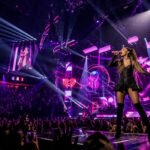





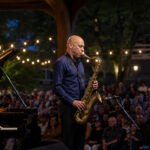


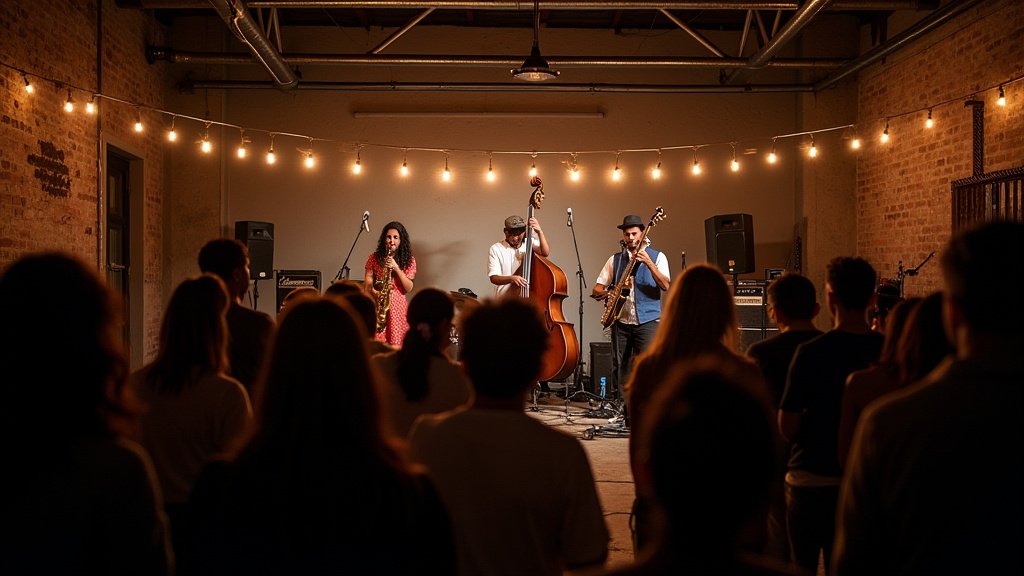
The inaugural Los Angeles Jazz Festival, an event heralded as the city’s next major cultural milestone, shuttered its operations abruptly this weekend, leaving thousands of ticket holders and dozens of artists in a state of suspended animation. Yet, in a remarkable display of resilience that defines the jazz ethos itself, a collective of local musicians pivoted within hours. Eschewing the corporate machinery of the failed festival, they organized an underground ‘Can’t Cancel Jazz’ pop-up event in the heart of the Downtown Arts District, proving that the music—and the community behind it—cannot be silenced by logistical or financial failure.
Key Highlights
- The inaugural Los Angeles Jazz Festival was canceled just hours before its scheduled opening, citing unforeseen logistical and permitting failures.
- A grassroots coalition of musicians and organizers quickly mobilized, crowdsourcing a warehouse location in the Arts District to host the ‘Can’t Cancel Jazz’ pop-up.
- The impromptu event featured improvised sets from more than 15 local performers, drawing hundreds of displaced ticket holders and music enthusiasts.
- The event highlights a growing movement toward DIY, artist-led performance spaces in response to the volatility of large-scale corporate festival planning.
The Anatomy of an Underground Improvisation
The collapse of the Los Angeles Jazz Festival was as swift as it was unexpected. Early Saturday morning, organizers released a sparse statement citing “unforeseeable infrastructure challenges,” effectively pulling the plug on a multi-day event that had been months in the making. For many of the musicians involved, the cancellation represented more than just a missed gig; it was a significant loss of income and professional visibility. However, rather than retreating, the artists treated the disruption as a creative challenge, much like the spontaneous call-and-response of a classic bebop session.
Turning Crisis into Community
By midday, a group of local instrumentalists had formed a digital hub to coordinate an alternative gathering. Utilizing encrypted messaging apps and social media, they broadcasted the location of an industrial warehouse in Downtown L.A. that had been cleared for the ‘Can’t Cancel Jazz’ pop-up. The sheer speed of the organization was a testament to the tightly knit nature of the Los Angeles Jazz Collective. This was not a polished, permit-heavy production; it was a raw, authentic performance space. The atmosphere was electric, defined by a “pay what you can” entry model that prioritized inclusivity over the tiered ticket structures of the failed festival.
The Historical Precedent of the ‘After-Hours’ Club
This act of defiance mirrors a long history of underground jazz culture. From the Harlem speakeasies of the 1920s to the after-hours jam sessions of the 1950s, jazz has always found a home in the margins when the mainstream institutional doors were closed. The L.A. pop-up served as a modern echo of these traditions, emphasizing that the music does not require a grand stage or corporate sponsorship to exist. It requires only the artists, the instrument, and an audience. By reclaiming the venue, these musicians were not just filling a scheduling gap; they were asserting their autonomy in an industry that often overlooks the financial precarity of gig-based performers.
Economic Impacts and the Gig Economy
For the average musician in the current L.A. music scene, the festival economy is often volatile. Festivals bring in major revenue, but they also bring systemic risks, such as last-minute cancellations or payment disputes. The ‘Can’t Cancel Jazz’ movement highlights the necessity of artist-owned infrastructure. Financial analysts observing the local scene suggest that this event could spark a shift in how musicians approach booking, moving away from reliance on massive corporate-backed events toward smaller, decentralized, and artist-controlled venues. The Jazz Foundation of America has often cited that festivals provide essential income for aging or touring musicians, and the sudden loss of such revenue sources is a critical vulnerability. The success of this pop-up serves as a blueprint for crisis mitigation in the music sector.
The Future of Grassroots Jazz
The ‘Can’t Cancel Jazz’ pop-up was more than a protest; it was a proof of concept. With the success of the improvised event, organizers are now looking at establishing a permanent, nomadic performance series that operates outside the confines of the traditional festival circuit. This would provide a more reliable, albeit smaller, revenue stream for performers and maintain the artistic integrity of the scene. The festival collapse, while detrimental, may ironically have served as a catalyst for a more sustainable, independent future for Los Angeles jazz.
FAQ: People Also Ask
Why was the Los Angeles Jazz Festival canceled?
The festival was canceled due to a combination of unforeseen permitting complications and infrastructural failures at the primary venue, which left the organizers unable to proceed with the event safely as planned.
How were the musicians able to organize the pop-up so quickly?
Through the use of grassroots communication networks and existing relationships within the L.A. music community, organizers leveraged social media and instant messaging to crowdsource a venue and alert fans within a six-hour window.
Will there be more ‘Can’t Cancel Jazz’ events in the future?
While the original event was a spontaneous reaction to an emergency, the organizers have expressed interest in establishing a decentralized, pop-up performance collective to support local artists outside of traditional festival models.
How does this event reflect the current state of the music industry?
It highlights a growing tension between large-scale corporate festival planning and the needs of independent gig-economy musicians, signaling a desire for more artist-owned and controlled spaces.
More Stories
iHeartRadio Music Festival 2026 Ignites Las Vegas
Hyde Park Jazz Fest at 20: A Sonic Milestone for Chicago
Americanafest 2026: Nashville Readies for Global Roots Music Milestone