











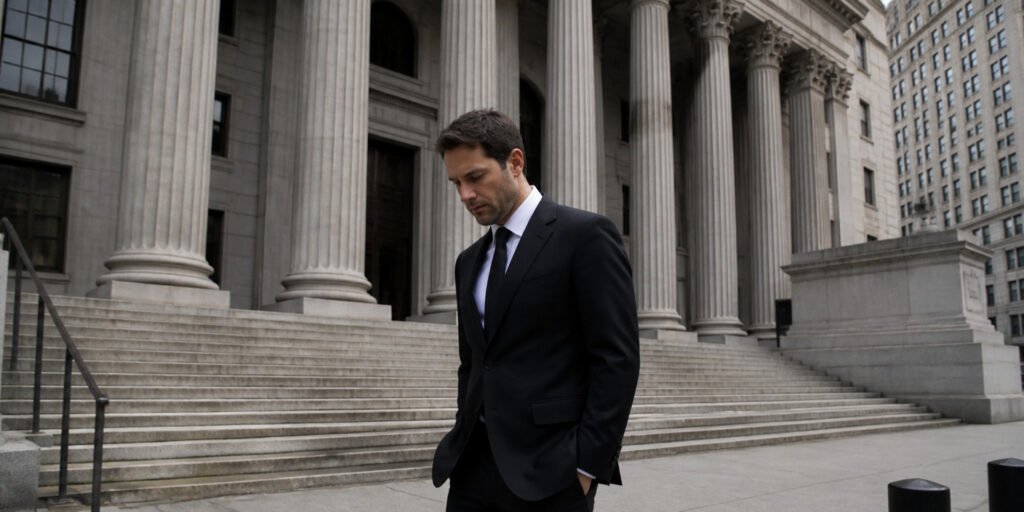
The music industry and the public are turning their attention to the courtroom today as indie-pop artist D4vd, born David Anthony Burke, faces a scheduled arraignment regarding the murder and sexual abuse of 14-year-old Celeste Rivas Hernandez. The proceedings, taking place this morning, mark a significant turning point in a case that has shocked the digital music community and placed the spotlight on the rapid rise and sudden fall of the TikTok-era star.
Key Highlights
- Charge Details: D4vd is being arraigned on felony charges for the murder and sexual abuse of 14-year-old Celeste Rivas Hernandez.
- Date of Event: The official court arraignment is scheduled for August 31, 2026.
- Industry Impact: Following the allegations, major streaming platforms and industry partners are facing mounting pressure to address the presence of his catalog.
- Legal Context: The arraignment represents the formal reading of charges, where the defendant is expected to enter a plea.
The Legal Proceedings and Public Fallout
The arraignment of D4vd on August 31, 2026, represents the intersection of digital stardom and grave criminal accountability. For an artist who gained massive popularity through DIY production—specifically the breakout success of his track “Romantic Homicide,” which amassed hundreds of millions of streams—this legal development has caused an immediate fracturing of his public image. Legal experts note that an arraignment is a critical stage where the prosecution formally presents the charges, and the defense begins to establish its strategy.
Understanding the Charges
The charges levied against Burke are serious: murder and sexual abuse of a minor. These indictments carry heavy weight in the judicial system. The specific inclusion of charges relating to 14-year-old Celeste Rivas Hernandez suggests that the investigation has been comprehensive, gathering enough evidence to move past the initial inquiry phase. Prosecutors are expected to present an overview of the alleged timeline, though the most granular details regarding evidence will likely be reserved for discovery phases and subsequent hearings. The legal community is watching closely, as cases involving public figures often become lightning rods for debates regarding due process, the rights of the victim, and the responsibilities of platforms that facilitate fame.
Industry Response and Digital Legacy
In the hours leading up to the arraignment, significant questions have been raised regarding the handling of D4vd’s discography by record labels and streaming services. The “Romantic Homicide” singer, who was often cited as a prime example of the democratization of music through social media algorithms, now serves as a cautionary tale for the industry. Many industry analysts are predicting a “scrubbing” effect, where labels may move to distance themselves, potentially removing music or suspending promotional activities to avoid brand association with such severe criminal allegations.
Furthermore, this event forces a broader reckoning within the music industry about vetting processes for burgeoning talent. As digital platforms prioritize engagement metrics over traditional background checks, the ability of an artist to gain fame rapidly without the buffer of traditional label oversight is being scrutinized. The question remains: how much responsibility do platforms bear when a viral star is accused of heinous crimes? Experts argue that while platforms cannot be responsible for the personal actions of individuals, the monetization of content created by individuals facing such severe charges creates a complex ethical dilemma for shareholders and publicists alike.
The Social Media Context
Unlike artists from previous generations who relied on terrestrial radio and press junkets, D4vd’s rise was predicated on a parasocial relationship with his fanbase. The “D4vd” brand was built on vulnerability and relatability—traits that have now turned against him in the public eye. Fans are actively debating on forums and social media, with many expressing betrayal. This dynamic has accelerated the public perception of guilt, making the legal proceedings feel, to the general public, like a formality in a case already “tried” in the court of online opinion. The challenge for the legal team will be to compartmentalize this digital sentiment and focus strictly on the admissible evidence as the trial moves toward a potential discovery and pre-trial motion phase.
Future Implications for the Case
Looking ahead, the arraignment is merely the first step in a long, arduous legal process. Following today’s session, there will likely be months of pre-trial hearings, motions to suppress evidence, and debates over the admissibility of digital data. The case of Celeste Rivas Hernandez has already galvanized advocacy groups, who are demanding transparency and justice. As the court processes these charges, the focus will shift from the artist’s musical output to the prosecution’s ability to prove the allegations beyond a reasonable doubt.
FAQ: People Also Ask
What is an arraignment?
An arraignment is the first formal court appearance where the defendant is read the charges against them and given the opportunity to enter a plea of guilty, not guilty, or no contest. It does not determine guilt or innocence but sets the stage for the trial process.
What are the primary charges against D4vd?
The charges include the murder and sexual abuse of 14-year-old Celeste Rivas Hernandez. These are severe felony-level offenses that, if proven, carry significant prison sentences.
Will his music be removed from streaming platforms?
While major platforms have not issued blanket statements, industry precedent suggests that artists facing severe criminal charges often see their music removed from official playlists, and in some cases, removed from platforms entirely by their respective distributors to minimize reputational damage.
What happens after the arraignment?
Following the arraignment, the case will enter the discovery phase, where the prosecution and defense exchange evidence. Pre-trial motions will follow, addressing issues like evidence admissibility and potential plea negotiations before a trial date is set.
More Stories
Lady Gaga Welcomes Daughter Rose Bean Polansky
Ranbir & Alia Launch Major 20-School Mumbai Makeover
Kevin Hart Confirmed to Host the 99th Academy Awards