











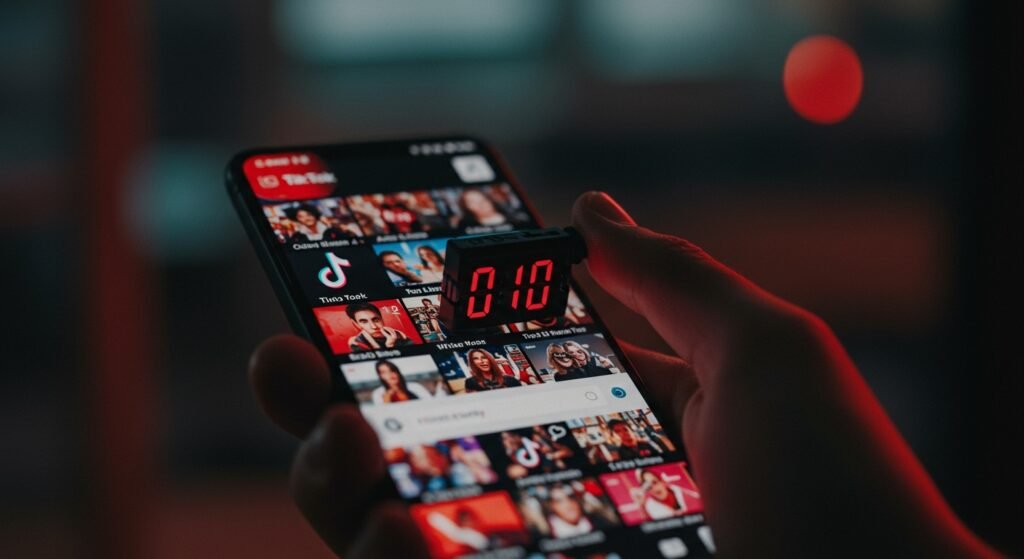
The clock is ticking for ByteDance, the Chinese parent company of the wildly popular short-form video platform TikTok. A looming deadline of January 19 marks a critical juncture for the service in the United States. Under a law passed by Congress last April, TikTok faces a potential ban affecting its vast American user base unless ByteDance divests its ownership of the platform. This unprecedented situation puts the online lives and livelihoods of millions at risk, underscoring the escalating tensions surrounding technology, national security, and international relations.
The Mandate from Congress
The legislative action compelling ByteDance to sell TikTok stems from a law approved by the U.S. Congress last April. This bipartisan measure was enacted following growing concerns among American lawmakers and intelligence officials. The law explicitly requires ByteDance to divest its ownership of TikTok’s U.S. operations within a specified timeframe – a period that culminates on January 19. The stated justification for this stringent requirement centers on national security concerns. U.S. officials argue that ByteDance’s ties to China could potentially allow Beijing to exploit the platform for surveillance or propaganda purposes, posing a risk to American interests. The law provides a clear path for TikTok to continue operating in the U.S.: a complete sale of the platform’s U.S. assets to a non-Chinese entity. Failure to meet the January 19 deadline would trigger measures effectively banning the application from U.S. app stores and internet hosting services.
Scale of Impact
A potential ban on TikTok would have widespread repercussions across the United States, affecting daily digital life for a significant portion of the population. The platform boasts an enormous footprint, claiming approximately 170 million American users. This user base spans demographics, utilizing the app for entertainment, information, news consumption, and building communities. For many, TikTok is deeply integrated into their daily routines, serving as a primary source for discovering trends, following current events, and connecting with others.
The economic impact would be particularly acute for the estimated 2 million creators who utilize TikTok as a central part of their professional lives. These individuals, ranging from independent artists and educators to small business owners marketing their products and services, often rely heavily on the platform’s reach, discovery algorithm, and monetization features to generate income and build their brands. A ban could instantaneously sever these established revenue streams and audience connections, forcing creators to rebuild their online presence and income sources from scratch on competing platforms, a process that can take years. Beyond individual creators, countless businesses, both large and small, leverage TikTok for advertising, customer engagement, and driving sales, and they too would face significant disruption and potential financial losses if the platform becomes inaccessible. The platform’s role in fostering cultural trends and driving e-commerce adds another layer of complexity to the potential impact.
ByteDance’s Dilemma
The challenge for ByteDance, the Chinese parent company, is immense. To prevent the potential ban, the law passed by Congress last April requires the company to divest from the video-sharing platform in the United States by January 19. This means finding a buyer and completing a sale of TikTok’s U.S. operations. Such a transaction for a platform used by 170 million Americans is extraordinarily complex, involving significant financial and logistical hurdles. ByteDance faces the pressure of navigating this intricate process under a strict deadline imposed by the U.S. government, with the future of its massive U.S. business hanging in the balance.
National Security Concerns
The driving force behind the potential ban, as stated by the U.S. Congress when passing the law last April, is national security concerns. U.S. officials have articulated worries that the ownership structure under the Chinese company ByteDance could pose risks related to data privacy and potential foreign influence operations directed through the platform. These concerns, though disputed by TikTok, form the legal basis for the mandated divestment and the January 19 deadline.
The Countdown Begins
As the January 19 deadline approaches, the situation remains fluid and highly uncertain. The future of TikTok in the United States, and the implications for 170 million users and 2 million creators, hinges entirely on whether ByteDance can successfully divest by the mandated date. If the divestment does not occur by January 19, the law passed by Congress last April dictates that the platform would face effective prohibition in the U.S., marking an unprecedented moment in the intersection of technology regulation, geopolitical tensions, and digital culture. The coming weeks will be crucial in determining the fate of one of the world’s most popular social media platforms within its largest market.
More Stories
Lowriding’s Rise: SF Celebrates Cruising Culture
U.S. Repatriates 64 Cultural Relics and Fossils to China
Betting on Viral Fame: Novig’s Strategic Use of Sydney Sweeney