










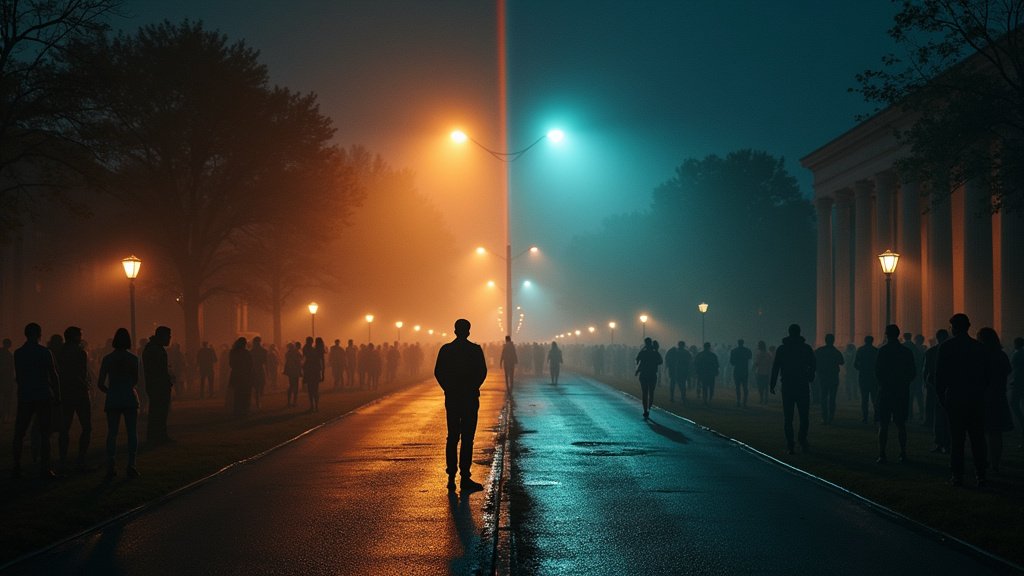
The moral landscape of the United States has undergone significant transformations over recent decades, with Americans increasingly accepting a wider range of behaviors that were once considered taboo. However, this broad trend of liberalization is not monolithic. Recent analyses reveal a complex picture marked by plateaus in acceptance for some issues, growing partisan divides, and a persistent national anxiety about the overall state of moral values. This evolving cultural narrative reflects deeper societal shifts and ongoing debates about individual freedom, tradition, and collective values.
The Long March Towards Acceptance
For decades, a significant trend in American culture has been the growing acceptance of various moral and values-related behaviors. Data compiled by organizations like Gallup show a marked increase in perceived moral acceptability for a majority of issues tested over the past 25 years. This liberalization is often attributed to a broader societal shift towards norms emphasizing individual choice and personal autonomy. Behaviors once viewed with widespread disapproval, such as divorce, sex between unmarried individuals, and having a child outside of marriage, have seen their moral acceptability rise well above majority levels. Similarly, attitudes toward gay and lesbian relations have become considerably more accepting, mirroring the broader societal embrace of same-sex marriage. This evolving perspective suggests a move away from strictly defined traditional moral codes towards a more individualized approach to ethics and behavior in the american context.
Shifting Sands: Plateaus and Recent Declines
While the long-term trajectory has been towards greater acceptance, recent news indicates that this upward march has faltered on several fronts. For issues like divorce, unmarried sex, and having a baby outside of marriage, the trends have plateaued in the last two to three years, with some data even showing slight decreases in moral acceptability. The acceptance of sex between teenagers, after a period of increase, has also leveled off. Even pornography, which saw a rise in acceptability, has experienced a recent slip. These shifts suggest that while the overall trend remains more liberal than in past decades, certain areas of social behavior may be reaching a point of saturation or even a minor reversion in public opinion. This could signal a recalibration of societal norms or a reaction to rapid earlier changes.
The Widening Partisan Chasm
One of the most striking developments in the american moral landscape is the deepening partisan divide. Research consistently shows that Democrats are generally more accepting of a wide array of moral and values issues than Republicans. This gap has widened over time, fueled by Democrats becoming more liberal on these issues while Republicans have either become less accepting or maintained more conservative stances. Issues such as abortion, doctor-assisted suicide, sexual relations outside marriage, divorce, polygamy, and gay or lesbian relations all exhibit significant partisan disparities. On issues like gender transition and abortion, the opinion gaps between the two parties exceed 50 percentage points. This ideological divergence means that while societal acceptance may increase overall, it often does so along party lines, leading to a more fractured moral consensus. Generational differences also play a role, with younger Americans generally more accepting, though recent data suggests some shifts even within younger demographics on certain issues.
A Nation Divided on Morality’s State
Paradoxically, as many specific behaviors gain broader acceptance, a significant portion of the american population expresses concern about the nation’s overall moral health. Polls reveal that a majority of Americans believe the country’s moral values are worsening, with a substantial number rating the current state of morality as “poor.” This sentiment suggests a disconnect between the increasing acceptance of individual behaviors and a perceived decline in a collective moral compass. Many Americans now believe that right and wrong often depend on the situation rather than on absolute standards, and a majority find it unnecessary to believe in God to be moral. This reflects a more relativistic approach to ethics, which may contribute to both the individual acceptance of diverse behaviors and the broader anxiety about a perceived lack of shared moral grounding.
Conclusion
The trends in U.S. adults’ acceptance of moral and values behaviors paint a dynamic and at times contradictory picture of contemporary american culture. While decades of change have ushered in a more permissive attitude towards many previously controversial actions, recent data highlights periods of stabilization and even slight decline in acceptance for some issues. Crucially, the widening chasm between political parties on these matters underscores a deep societal polarization. As the nation navigates these shifts, the ongoing debate over personal morality, societal norms, and the collective state of american values continues to shape the cultural conversation. This news reflects an ongoing evolution of american identity and its underlying moral framework.
More Stories
PEN America’s 2026 Festival: Literature’s Defiant Return
Dive Deep into American Culture: Quiz Explores Baseball Legends and Quirky Snacks
Original Penguin Sues Pudgy Penguins for Trademark Infringement Over Penguin Branding