










Washington D.C. — A new analysis from the Brookings Institution warns that the foundations of American democracy are being undermined by pressures facing the nation’s cultural and artistic institutions. Published on February 28, 2025, the article, originally titled “Defending American arts, culture, and democracy,” argues that these institutions are not merely ancillary to society but are essential components of a functioning democratic state.
The report specifically scrutinizes actions attributed to the new U.S. administration, suggesting they are actively undermining both the funding and freedoms crucial for cultural and artistic expression. This trend, according to Brookings, carries significant risks for the health and resilience of democratic norms and processes within the United States.
The Cultural Pillars of Democracy
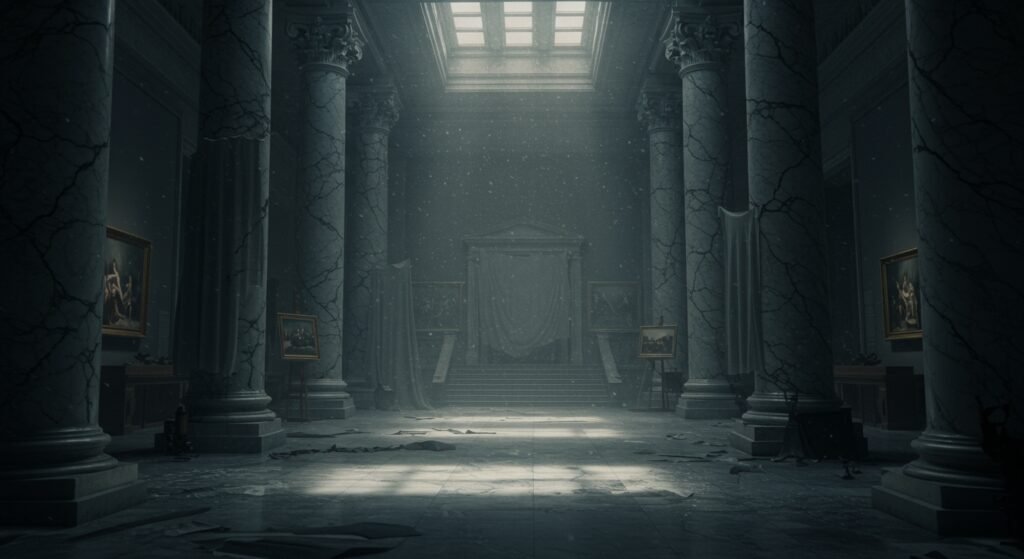
The central premise of the Brookings article is the intrinsic link between a vibrant cultural landscape and a robust democracy. Artistic and cultural institutions, the report posits, serve as vital platforms for free expression, critical discourse, the exploration of diverse perspectives, and the fostering of empathy and understanding across different societal groups. They are places where challenging ideas can be debated, where history is interpreted and presented, and where the collective identity of a nation, in all its complexity, is both reflected and shaped.
In a democratic society, these institutions are expected to operate with a degree of autonomy, free from political interference, and require stable financial support to fulfill their mission of public service and creative endeavor. The Brookings analysis underscores that weakening these pillars inherently weakens the democratic structure they help support.
Allegations of Undermined Support and Freedom
The article raises concerns about specific actions or policies attributed to the new U.S. administration that it claims are detrimental to this vital sector. While the summary does not detail the precise measures, it broadly characterizes them as undermining funding and freedoms. This could potentially manifest as significant budget cuts to national endowments for the arts and humanities, changes in grant allocation processes that favor certain types of expression over others, or regulatory actions perceived as impinging on artistic freedom and institutional autonomy.
The report suggests that such actions are not isolated incidents but represent a concerning pattern that could have far-reaching consequences for the nation’s cultural ecosystem.
The Specter of a ‘Chilling Effect’
A key concern highlighted by the Brookings article is the potential for these actions to exacerbate what it terms a “chilling effect” on artistic endeavors. When artists and cultural institutions face precarious funding, perceive a threat of censorship, or feel pressure to align with specific political viewpoints, they may become reluctant to create or present work that is controversial, critical of authority, or explores sensitive social or political themes.
This self-censorship, born out of fear or financial necessity, diminishes the diversity and boldness of artistic expression, thereby limiting the public’s exposure to challenging ideas and perspectives crucial for informed democratic participation. The report implies that this effect is particularly pronounced for artists and organizations that rely heavily on public funding or operate within institutions vulnerable to political pressure.
A Warning Against Incitement and Historical Parallels
More gravely, the Brookings analysis suggests that the actions against arts and culture could potentially go beyond merely stifling expression and could even “incite hatred towards targeted minority communities.” The report implies that attacks on certain forms of art, cultural practices, or institutions might be linked to attempts to marginalize or demonize groups associated with them.
The article draws a stark parallel to historical instances where “autocratic actors censor[ed] art for propaganda.” Such regimes often target artistic and cultural outputs that challenge their narrative, celebrate diversity they wish to suppress, or represent groups they seek to persecute. By controlling or manipulating the cultural sphere, authoritarians aim to control public thought, suppress dissent, and unify populations under a narrow, often exclusionary, ideology. The Brookings report posits that the trends observed in the U.S. bear troubling echoes of these historical patterns.
Part of a Broader Examination
The article is situated within Brookings’ ongoing effort to monitor the health of democratic institutions. It is explicitly stated as being part of the “Monitoring the pillars of democracy” series and the Brookings Democracy Playbook 2025. This context underscores that the concerns raised about arts and culture are viewed by the institution as fundamental to the broader discussion about the resilience and vulnerabilities of American democratic structures in the current political climate.
In conclusion, the Brookings Institution’s report of February 28, 2025, offers a stern warning: the perceived efforts by the new U.S. administration to undermine funding and freedoms for arts and cultural institutions represent a significant threat not only to the cultural sector itself but, more profoundly, to the core principles and functioning of American democracy. The analysis suggests that safeguarding artistic expression and cultural vitality is an essential task in defending democratic values against pressures that risk fostering a chilling effect and potentially exacerbating social divisions.
More Stories
PEN America’s 2026 Festival: Literature’s Defiant Return
Dive Deep into American Culture: Quiz Explores Baseball Legends and Quirky Snacks
Original Penguin Sues Pudgy Penguins for Trademark Infringement Over Penguin Branding