











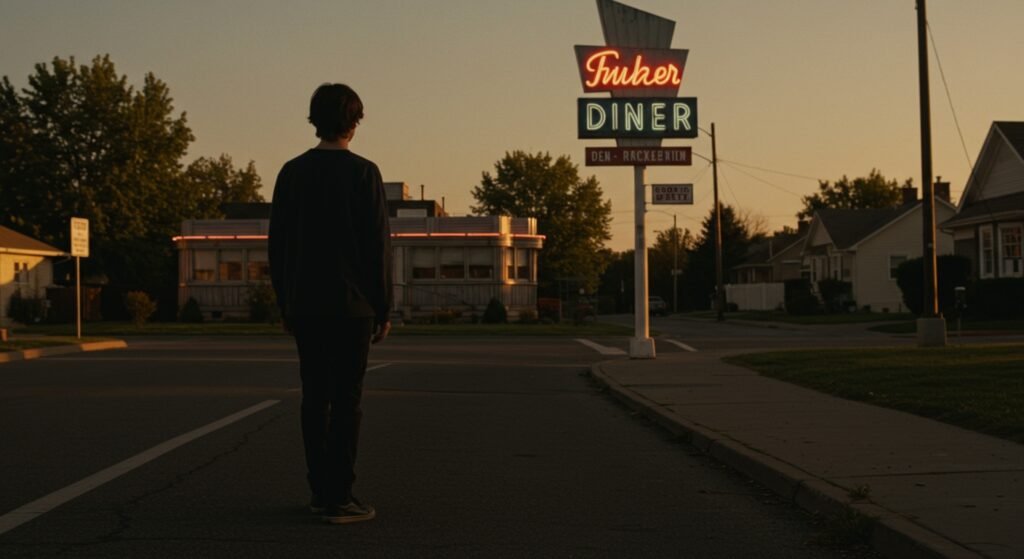
Published on March 26, 2025, a notable cultural phenomenon continues to unfold across social media platforms: the conspicuous rise of the “Americana aesthetic” among members of Generation Z. This burgeoning trend sees young people embracing visual and thematic elements traditionally associated with classic American life, including iconic touchstones such as Super Bowl Sunday, vibrant high school pep rallies, and quintessential diners.
The Aesthetics of Americana on Digital Stages
This cultural resonance isn’t confined to mainstream channels; it is particularly visible within alternative spaces online. Artists like Lana Del Rey and Ethel Cain are frequently cited as exemplars of this aesthetic, weaving nostalgic or idealized American imagery into their music and visual presentations. Their popularity within Gen Z circles underscores the demographic’s engagement with these themes, pushing them into broader digital consciousness.
Decoding the Cultural Shift
The emergence and amplification of this trend provoke significant questions about the contemporary perception of American pop culture and the underlying motivations of Gen Z. Does this aesthetic shift signify a fundamental change in how American culture is viewed globally or domestically? Is it a direct reflection of Gen Z’s collective desires and aspirations, perhaps yearning for a perceived simpler past? Or is it primarily the result of certain voices being amplified within the echo chambers of social media?
Understanding this trend requires looking beyond superficial aesthetics to consider the complex forces shaping the generation. Is Gen Z, often portrayed as inherently progressive, simultaneously harboring conservative leanings, or are their perspectives being shaped and influenced by the backdrop of ongoing global events?
Historical Parallels and Suburban Dreams
Historically, there is a noted correlation between the rise of suburban culture and the ascent of mainstream conservatism in the United States. The post-war suburban boom coincided with significant political shifts. Observing Gen Z’s apparent interest in suburban living – often depicted idyllically within this Americana aesthetic – prompts speculation.
Could this fascination with suburban life represent an “out-of-reach fantas[y]” for many young people today? In an era marked by economic uncertainty, rising housing costs, and social flux, the stable, idealized image of suburban existence – a cornerstone of the traditional concept of the American Dream – might appeal as a form of escapism or aspirational longing.
Expert Insight on the Political Landscape
Providing expert context on these cultural undercurrents is Aaron Allen, a distinguished professor for the School of Humanities, Arts and Cultural Studies. Allen draws striking parallels between the current political climate and the period immediately preceding Ronald Reagan’s presidency.
He notes similarities to the conditions that paved the way for the conservative trends prominent throughout the 1980s. This historical lens suggests that cultural shifts, even those manifesting as aesthetic preferences on social media, can sometimes be symptomatic of deeper societal or political anxieties and desires.
Allen also references Franklin D. Roosevelt’s New Deal Coalition, implicitly highlighting how periods of significant national challenge and economic restructuring can reshape political alignments and cultural narratives. The potential parallel here lies in examining whether contemporary challenges are similarly influencing Gen Z’s leanings, perhaps fostering a complex mix of progressive ideals and a nostalgic embrace of perceived stability or community represented by the Americana aesthetic.
Conclusion: A Complex Tapestry
In conclusion, the rise of the Americana aesthetic within Gen Z is far more than a simple trend. It is a complex cultural signal that potentially reflects subconscious desires, responses to global events, or a nuanced interplay between progressive ideals and a yearning for traditional comforts. As this generation continues to shape the cultural landscape, deciphering the roots and future trajectory of this aesthetic will be crucial to understanding their evolving identity and its potential impact on American society and politics.
More Stories
Freedom Plane Tour Brings History to Atlanta
PEN America’s 2026 Festival: Literature’s Defiant Return
Dive Deep into American Culture: Quiz Explores Baseball Legends and Quirky Snacks