





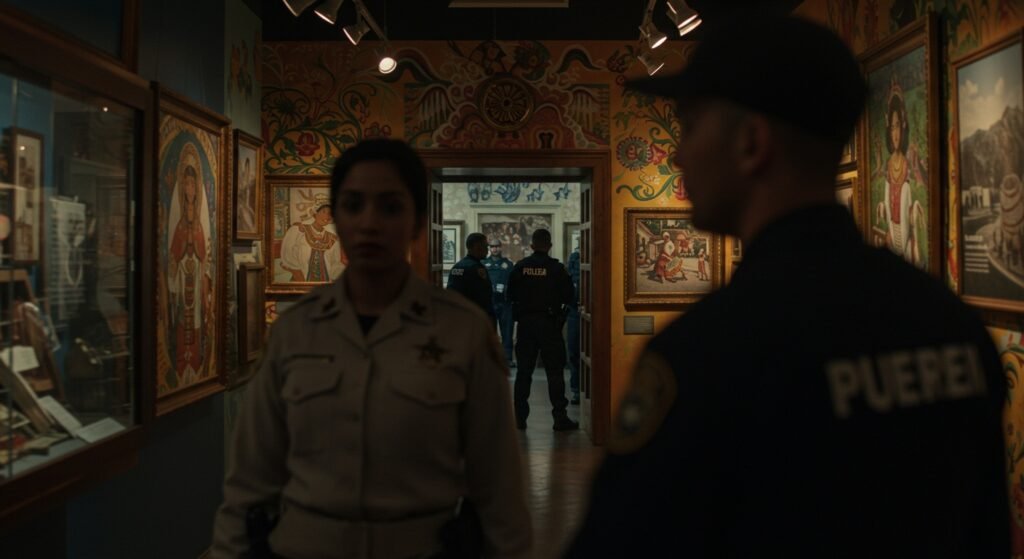
CHICAGO, IL – The presence of federal immigration agents at the Puerto Rican Museum in Chicago has triggered immediate and fervent condemnation from a broad coalition of community leaders and elected officials. The incident, details of which remain sparse regarding the agents’ purpose, has nonetheless ignited a firestorm of criticism focused on the appropriateness of federal law enforcement operations within a cherished cultural institution.
The museum, a cornerstone of Chicago’s large and vibrant Puerto Rican community, is widely regarded as a vital cultural hub and a symbol of heritage and resilience. Its role as a perceived safe space for education, community gatherings, and the celebration of identity makes the reported presence of uniformed immigration agents particularly jarring for many.
The Incident Unfolds
Reports circulating in Chicago indicated that federal immigration agents were present on the grounds or within the facility of the Puerto Rican Museum. While the specific agency involved (such as Immigration and Customs Enforcement, ICE, or Customs and Border Protection, CBP, though the original source only specified “federal immigration agents”) and the precise nature or duration of their activity were not immediately clarified by federal authorities, the visual confirmation or credible report of their presence was sufficient to provoke a strong reaction.
The timing and reasons behind the agents’ visit were not part of the initial public information, leaving a void that was quickly filled with concern and speculation from the community. The mere fact that agents typically associated with enforcement and removals were present at an institution dedicated to preserving and celebrating cultural heritage was seen by many as deeply problematic and potentially intimidating to museum visitors and staff.
A Cornerstone of Culture and Community
The Puerto Rican Museum is far more than a building housing artifacts; it is a dynamic cultural anchor for one of Chicago’s most prominent ethnic groups. Located in a neighborhood with a significant Puerto Rican population, the museum serves as a crucial link to the island’s history, art, and traditions for generations of Chicagoans. It hosts exhibitions, educational programs, and community events, fostering a sense of belonging and pride.
For many residents, particularly those in mixed-status families or with friends and relatives navigating the complexities of the U.S. immigration system, the museum represents a sanctuary – a place where community members feel safe, welcomed, and free from the concerns associated with immigration enforcement. The perceived violation of this space by federal agents has struck a raw nerve, touching upon broader anxieties about where and when enforcement activities are deemed acceptable.
Swift and Unified Condemnation
The response from Chicago’s leadership was swift and overwhelmingly negative. Community leaders, including organizers, cultural advocates, and activists, were quick to voice their outrage. They characterized the presence of agents at the museum as disrespectful to the Puerto Rican community, an act of intimidation, and a fundamental misunderstanding or disregard for the role of cultural institutions in fostering civic life and trust.
Elected officials, from local aldermen to representatives at higher levels of government, joined in the condemnation. Statements from officials underscored the severity of the incident, highlighting concerns about the erosion of trust between immigrant communities and federal authorities. They called for immediate explanations from the relevant federal agencies and demanded assurances that cultural sites, similar to schools, hospitals, and places of worship, would be treated as sensitive locations where enforcement operations are avoided unless absolutely necessary under exceptional circumstances.
This unified voice of protest from diverse sectors of Chicago’s leadership landscape demonstrates the depth of concern generated by the incident and the community’s resolve to protect its cultural spaces.
Broader Implications for Sensitive Locations
The incident at the Puerto Rican Museum brings into sharp focus the ongoing national debate regarding federal immigration enforcement tactics and the designation and respect for sensitive locations. While federal guidelines often suggest avoiding enforcement actions in places considered sensitive – environments where vulnerable populations gather – incidents like the one in Chicago raise questions about the interpretation and adherence to these guidelines.
Critics argue that conducting operations, or even having a visible presence, in spaces intended for community gathering, cultural preservation, education, or healing fundamentally undermines the trust necessary for these institutions to function effectively. Such actions can instill fear, discouraging individuals from participating in cultural events, seeking medical care, or engaging with educational opportunities, out of concern they might encounter immigration officials. The symbolism of agents in a museum dedicated to a community whose identity is often intertwined with immigration narratives (even among citizens) is particularly poignant.
Path Forward: Demands for Transparency and Accountability
As of now, specific details from the federal agencies involved regarding the purpose of the agents’ presence at the Puerto Rican Museum remain pending or unclear in public reports. This lack of immediate transparency has only fueled further demands for clarity and accountability from Chicago’s community leaders and elected officials.
The incident serves as a stark reminder of the tensions surrounding immigration enforcement in diverse urban centers and the critical importance communities place on preserving cultural spaces as neutral, safe havens. The coming days will likely see continued pressure on federal authorities to provide a full explanation and address the profound concerns raised by the Chicago community, reinforcing the principle that cultural institutions should remain places of welcome, not fear.
More Stories
PEN America’s 2026 Festival: Literature’s Defiant Return
Dive Deep into American Culture: Quiz Explores Baseball Legends and Quirky Snacks
Original Penguin Sues Pudgy Penguins for Trademark Infringement Over Penguin Branding