











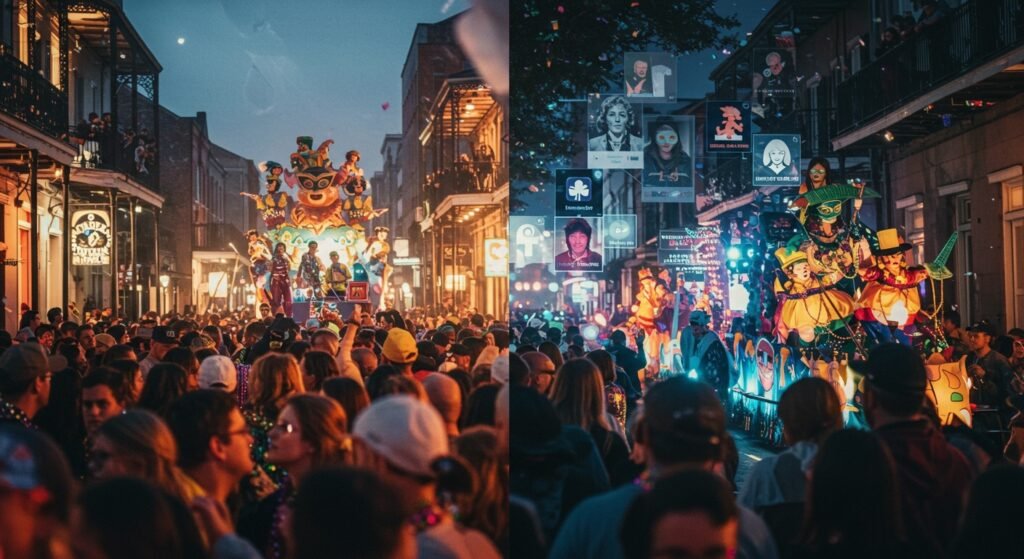
A recent Zulu parade during Mardi Gras in New Orleans has ignited a significant online debate regarding the definition and representation of Black American culture. The controversy, which gained traction across various social media platforms, including X (formerly Twitter), underscores the complex and often contested nature of cultural identity.
The specific point of contention arose from the appearance of participants in the Zulu parade who were seen wearing afro wigs, coconut-colored clothing, and blackface. For many observers, particularly online critics, these visual elements harked back to the deeply offensive and racist imagery of historical minstrel shows, a form of entertainment that caricatured Black people.
Origins of the Controversy
The images and videos from the New Orleans Mardi Gras event circulated widely, prompting strong reactions. While the Zulu Social Aid & Pleasure Club has historical roots dating back to 1909 and is a prominent part of the Mardi Gras tradition in the city, elements of their historical attire, particularly the use of blackface and exaggerated features, remain highly sensitive given the legacy of minstrel shows.
The reaction was particularly sharp from South Africans. On platforms like X (formerly Twitter), many South Africans voiced criticism, arguing that the actions were culturally insensitive. They accused some Black Americans of misrepresenting the culture of the Zulu people, a large and distinct ethnic group in South Africa, pointing out the stark difference between the actual cultural practices of the Zulu people and the parade’s aesthetic.
This criticism from South Africans highlighted a broader tension: the relationship between the African diaspora and the continent, and how cultural symbols are interpreted and sometimes appropriated across different contexts and histories.
The Complexity of Identity and Definition
The debate quickly expanded beyond the specific parade incident to the fundamental question: What constitutes Black American culture? The article notes the inherent complexity in defining this culture, acknowledging the diverse perspectives within the community itself.
Some Black Americans emphasize their deep roots and identity shaped within the United States, highlighting the unique historical experience of being Black in America – from slavery and segregation to the ongoing struggle for civil rights and equality. Their cultural expression is seen as distinctively American, born from a specific historical crucible.
Conversely, others within the community feel a strong connection to their African ancestry. They emphasize the transatlantic heritage, seeking to reconnect with or incorporate elements of African cultures, traditions, and history as foundational aspects of their identity. This perspective often informs discussions about identity, belonging, and the reclaiming of roots severed by the transatlantic slave trade.
This dual emphasis on American roots and African ancestry contributes significantly to the complexity and fluidity of defining Black American culture. It is not a monolithic entity but rather a vibrant tapestry woven from diverse experiences, historical trajectories, and individual connections to past and present.
Historical Significance and Cultural Impact
Regardless of how individuals within the community define their cultural identity, the historical impact of Black Americans on the United States is undeniable and profound. The community has historically been central to the ongoing evolution of American democracy, persistently pushing the nation to live up to its stated ideals of equality and justice.
Beyond the political sphere, Black American culture has profoundly influenced the global cultural landscape, particularly in the arts. Music genres originating from or significantly shaped by Black Americans have become cornerstones of modern sound. This includes the foundational rhythms of blues, the improvisational brilliance of jazz, the spiritual depth of gospel, and the rebellious energy of rock.
Similarly, dynamic dance styles originating from or popularized by Black Americans have left an indelible mark. Examples include the acrobatic moves of breakdancing, born from hip-hop culture, and the synchronized, percussive movements of stepping, often associated with historically Black fraternities and sororities.
These contributions demonstrate the incredible creativity, resilience, and cultural richness that define aspects of Black American culture, showcasing its integral role in shaping not just American identity, but global cultural trends.
The Broader Discussion
The online debate sparked by the New Orleans parade serves as a microcosm for larger discussions about cultural representation, appropriation, and the complexities of identity in a globalized and digitally interconnected world. It highlights how historical practices, like those seen in the Zulu parade‘s controversial elements, are scrutinized through contemporary lenses and international perspectives.
The differing views on defining Black American culture – whether primarily through an American lens or one strongly connected to African heritage – are valid expressions of identity within a diverse community. The debate, while sometimes contentious, ultimately reflects the ongoing, dynamic process of cultural definition and self-understanding.
The controversy underscores the importance of dialogue, albeit sometimes difficult, in navigating cultural sensitivities and understanding the multifaceted nature of identity in the modern era, extending from the streets of New Orleans to global social media platforms like X (formerly Twitter).
More Stories
PEN America’s 2026 Festival: Literature’s Defiant Return
Dive Deep into American Culture: Quiz Explores Baseball Legends and Quirky Snacks
Original Penguin Sues Pudgy Penguins for Trademark Infringement Over Penguin Branding