











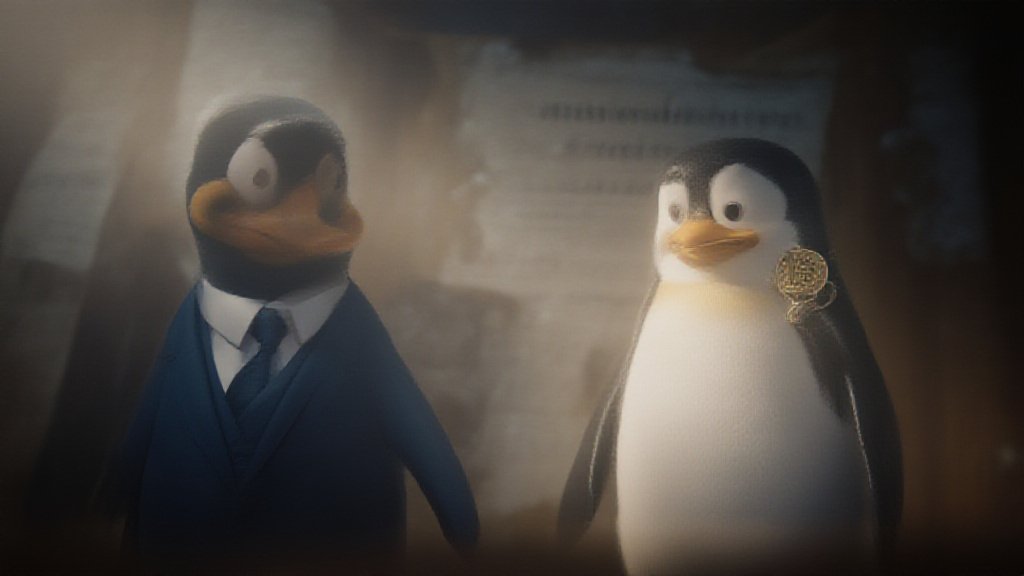
PEI Licensing, the owner of Original Penguin apparel, has filed a lawsuit. It accuses Pudgy Penguins of trademark infringement. The case went to a Florida federal court. PEI Licensing claims Pudgy Penguins uses confusingly similar penguin marks. These marks appear on apparel and related goods. PEI Licensing argues this infringes its own famous PENGUIN trademarks.
The Original Penguin brand has a long history. It started in 1955. Munsingwear introduced the brand. It became an iconic American clothing line. The brand’s logo is a penguin named Pete. Original Penguin is known for casual yet refined style. It has been a favorite among fashion enthusiasts.
Pudgy Penguins is a well-known NFT project. It launched in 2021. The project is based on penguin-themed intellectual property. Pudgy Penguins has expanded significantly. It now sells physical toys and apparel. These products are available in major retailers like Walmart. The brand aims to be a global character IP.
PEI Licensing sent a cease-and-desist letter. This happened in October 2023. PEI Licensing claims Pudgy Penguins ignored this warning. The lawsuit states Pudgy Penguins’ actions dilute the Penguin brand’s value. PEI Licensing argues this unauthorized use misleads consumers. It creates a false impression of affiliation.
The lawsuit seeks specific actions. PEI Licensing wants the USPTO to reject Pudgy Penguins’ trademark applications. It also asks the court to stop further infringement. PEI Licensing seeks monetary damages. This includes all profits from disputed sales. The company also wants infringing products destroyed.
Pudgy Penguins denies the allegations. The project expressed surprise at the lawsuit. They believe their trademarks are visually distinct. Pudgy Penguins also noted they had discussions for private resolution. The NFT brand has publicly responded with a meme. This meme suggests no similarities exist between the brands.
This case highlights new challenges. These involve traditional intellectual property frameworks. They are applied to NFT-related merchandise [Initial Context]. Digital brands increasingly intersect with physical goods [Initial Context]. Legal precedents exist for NFTs in disputes. However, this case involves virtual-to-physical market expansion. It tests how existing laws apply to these hybrid brands [Initial Context].
This legal battle comes as Pudgy Penguins grows its business. The brand has seen significant success in retail. Their strategy includes physical products and community engagement. The outcome could impact how NFT brands protect and commercialize their intellectual property [Initial Context]. It also affects how established brands address digital counterparts in the american culture. This news is a significant development in the evolving landscape of digital and physical brand protection. It provides ongoing news for the industry.
More Stories
PEN America’s 2026 Festival: Literature’s Defiant Return
Dive Deep into American Culture: Quiz Explores Baseball Legends and Quirky Snacks
2026 Culture Forecast: Bold Hues, Conscious Living, and Shifting Social Dynamics