











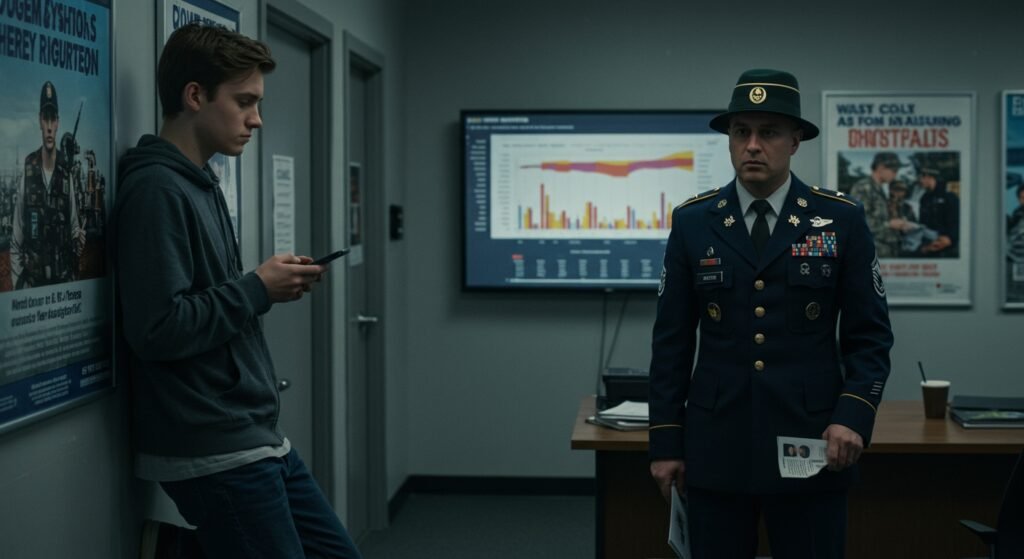
The United States military is confronting a significant and multifaceted recruitment crisis, according to a report released by the Hoover Institution on January 29, 2025. The analysis points to a confluence of factors, including shifting cultural attitudes, as contributing significantly to the decline in enlistments, raising concerns about the nation’s ability to adequately staff its defense forces.
The Scope of the Challenge
The report highlights stark figures illustrating the deficit in military personnel acquisition. Despite the U.S. population growing by a substantial 75% from 1964 to 2024, and the military’s annual recruiting needs falling dramatically from approximately 400,000 enlistees in 1964 to about 150,000 currently, the branches have faced persistent and considerable shortfalls. In 2021, the National Guard was 8,000 recruits short of its target. The Army experienced an even more significant gap in 2022, missing its goal by 15,000 recruits, representing a 25% deficit. By 2023, the combined military branches faced a cumulative shortfall of 41,000 recruits.
Shifting Public Perception
A key factor identified in the Hoover Institution report is a notable decline in public favorability towards the military. Public approval stood at 60% last year, a marked decrease from the 80% recorded after the September 11th attacks. This figure also contrasts sharply with the 75% favorability seen in 1964, although it represents an increase from a low of 24% in 1975, a period marked by the end of the Vietnam War and the transition to an all-volunteer force. The report suggests that the recent downturn indicates a broader cultural shift impacting the military’s standing in society.
Demographic and Political Divides
Recruiting polls cited in the report reveal particularly concerning trends within specific demographic and political groups. The willingness of young white Democratic men to serve plummeted dramatically, falling from 19% in 2015 to a mere 3% by 2021. This represents a significant disparity when compared to the willingness expressed by young Black, Latino, and white Republican men. Further data from high school surveys reinforces this trend, showing that the percentage of high school Democrats who believe the military does a “good job” declined sharply from 84% in 2002 to just 35% in 2023.
Broader Cultural Indicators
Beyond direct views on the military, broader cultural indicators appear to correlate with the recruitment challenges. Gallup data cited in the report indicates a significant decline in patriotic sentiment among younger Democrats. In 2023, only 12% of Democrats aged 18-24 reported being “extremely proud” to be American, a substantial drop from 54% in 2004. This shift in national sentiment, particularly within certain political affiliations and age groups, is presented as a potential underlying factor influencing willingness to serve.
Impact on Enlistments
The abstract trends translate directly into tangible declines in enlistment numbers for some branches and demographics. Male enlistments in the Army have fallen by 35% since 2013, decreasing from approximately 58,000 recruits that year to 37,700 in 2023. The decline is also evident along racial lines within the Army, with white recruits decreasing from 44,042 in 2018 to 25,070 in 2023. While some demographics have seen increases, such as the Marines successfully increasing Latino representation to over 30% of accessions, the overall pattern reflects persistent difficulty in meeting recruitment goals.
Compensation and Other Factors
While cultural factors are emphasized, the report also touches upon other potential influences. Compensation, often cited as a recruitment incentive, has improved significantly over time. Enlisted servicemember pay is currently positioned in the 83rd percentile of comparable civilian pay, a substantial improvement from the lower third percentile it occupied in 1964. However, this relative increase in pay has evidently not been sufficient to offset the recruitment shortfalls. The article also briefly mentions the potential impact of future political changes, noting that proposed policy shifts under a hypothetical President Trump and Defense Secretary Hegseth administration, including the abolition of Diversity, Equity, and Inclusion (DEI) initiatives, could influence interest in military service, though the direction and magnitude of such an influence are not specified.
The Hoover Institution report paints a concerning picture of the U.S. military’s ability to recruit, suggesting that while economic factors like pay have become more competitive, deeper cultural and political shifts are presenting significant headwinds. Addressing these complex challenges will likely require a multifaceted approach beyond traditional recruitment strategies to ensure the military can meet its personnel requirements in the years ahead.
More Stories
Freedom Plane Tour Brings History to Atlanta
PEN America’s 2026 Festival: Literature’s Defiant Return
Dive Deep into American Culture: Quiz Explores Baseball Legends and Quirky Snacks