











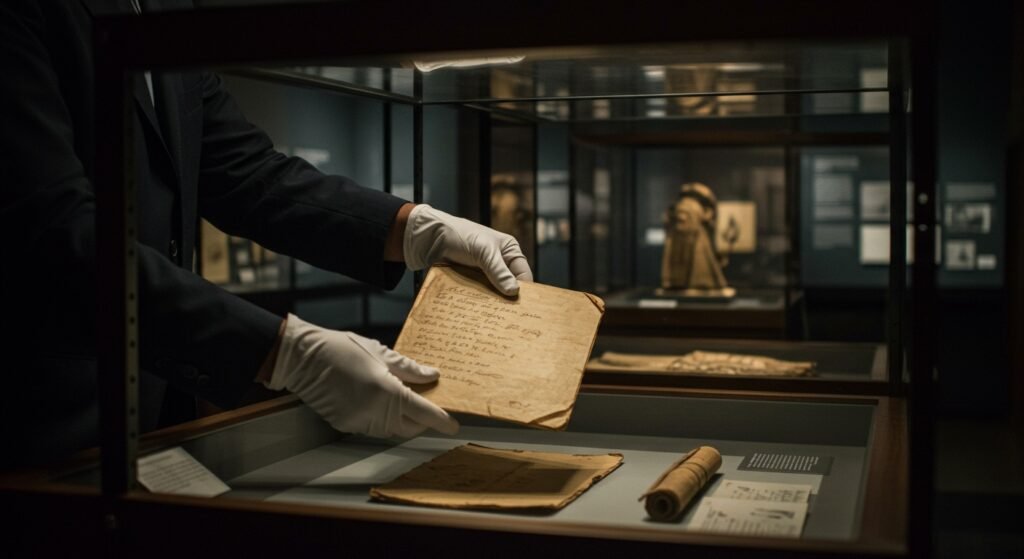
Washington, D.C. — The National Museum of African American History and Culture, a cornerstone institution within the Smithsonian complex, has commenced the process of removing select artifacts and exhibits from its collections and displays.
This significant action comes approximately one month after President Trump issued an executive order directing institutions under the Smithsonian umbrella to remove content he characterized as “improper ideology.” The directive from the White House has initiated a period of re-evaluation and procedural adjustments within the nation’s premier museum system.
The National Museum of African American History and Culture stands as a pivotal cultural institution, attracting a substantial number of tourists and visitors from across the entire country. Its collection encompasses a vast array of items, from historical documents and personal effects to significant artworks and large-scale exhibits, chronicling the complex and profound history of African Americans.
Context of the Executive Order
The executive order signed by President Trump introduced a directive aimed at scrutinizing the content presented in Smithsonian museums. The order specifically called for the identification and subsequent removal of materials deemed to represent “improper ideology.” While the order itself did not single out specific museums or exhibits, its broad language has led to actions being taken across the Smithsonian network.
The timeline of the removal process at the African American History Museum aligns directly with the period following the issuance of this presidential directive. The initiation of artifact and exhibit removal underscores the direct impact of the executive order on the operational and curatorial decisions of a key national museum.
Significance of the Museum and Its Collection
The National Museum of African American History and Culture, which opened in 2016, has rapidly become one of the most visited museums in the country. Its importance lies in its comprehensive effort to tell the multifaceted story of the African American experience – from slavery and the struggle for civil rights to achievements in arts, culture, politics, and sports.
The artifacts and exhibits housed within the museum are not merely objects; they are tangible links to history, serving to educate, inspire, and provoke reflection on the nation’s past and present. The collection includes sensitive and historically charged items that are crucial for understanding key periods and events in American history.
Its role as a significant cultural institution drawing tourists from across the country highlights its status as a national touchstone. Any decision regarding the removal of exhibits or artifacts from such a widely influential and respected institution garners considerable attention and underscores the potential impact on public understanding and historical narrative.
Scope and Implications of the Removals
The specific artifacts and exhibits being removed have not yet been publicly detailed by museum officials. However, the action signifies a material change to the museum’s presentation of history and culture.
The removal of items from a museum’s collection, especially one as sensitive and significant as this, is typically a process governed by strict curatorial standards and ethical considerations. While the executive order provides the impetus for this action, the specifics of which items are being targeted and the criteria being used for removal under the umbrella term of “improper ideology” remain central to the ongoing situation.
Museums are custodians of history, and their exhibits represent carefully curated narratives designed to inform the public. Altering these narratives through the removal of artifacts or exhibits raises questions about the interpretation of history and the factors influencing what is presented and preserved for future generations.
Looking Forward
The initiation of exhibit and artifact removal at the National Museum of African American History and Culture marks a critical phase following the presidential executive order. As a major cultural institution and a significant draw for national tourism, the changes occurring within the museum are of considerable public interest.
The process is underway, reflecting the museum’s response to the directive received one month prior. Further details regarding the specific items being removed and the long-term implications for the museum’s displays and collections are anticipated as the situation develops.
More Stories
The Women of Flower Drum Song Returns to Democracy Center
Freedom Plane Tour Brings History to Atlanta
PEN America’s 2026 Festival: Literature’s Defiant Return