











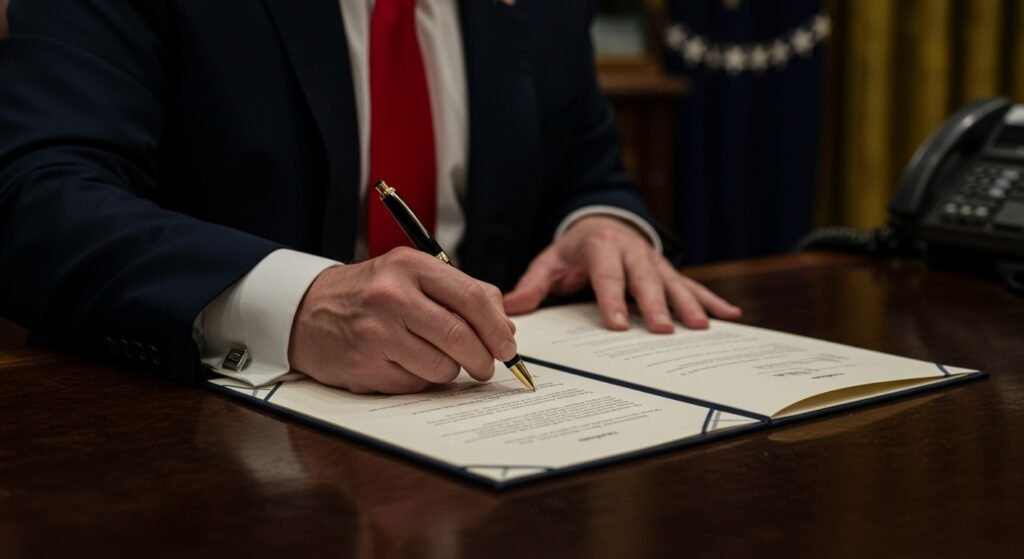
WASHINGTON, D.C. – In a swift and significant action on Day 1 of his presidency, President Donald Trump signed an executive order aimed squarely at terminating the federal government’s Diversity, Equity, and Inclusion (DEI) mandates. This move marks a decisive policy shift concerning initiatives that have become integral to government operations and increasingly, to the corporate world.
The executive order, which specifically targets government DEI programs, follows a period characterized by headlines surrounding DEI that have been described as disheartening for those valuing inclusive workplaces. This trend, observers note, has been gaining momentum since Inauguration Day, setting a tone for the administration’s approach to federal workforce and organizational policies.
Understanding the Executive Order’s Scope
The order signed by President Trump focuses explicitly on dismantling or eliminating federal mandates and programs related to DEI within government agencies. While the full text and implementing directives will detail the precise mechanisms of this termination, the stated aim is clear: to roll back federal requirements that have promoted diversity, equity, and inclusion across the civil service and government contractors.
DEI initiatives in the federal sector have typically involved training programs, hiring goals, reporting requirements, and the establishment of offices or roles dedicated to fostering more representative and equitable workplaces. The executive order signals a fundamental challenge to the continued existence and enforcement of these structures, aligning with critiques that view such mandates as unnecessary or counterproductive.
Context and Reaction to the Policy Shift
The decision arrives amidst broader public and political debate about the efficacy and appropriateness of DEI efforts. For proponents, DEI is essential for fostering innovation, improving employee morale and retention, and ensuring workplaces reflect the diversity of the nation they serve. For critics, these initiatives are sometimes seen as bureaucratic, ideological, or leading to preferential treatment.
The period leading up to and following Inauguration Day has seen increased public discussion and legislative proposals in various jurisdictions targeting aspects of DEI. The description of recent headlines as “disheartening” by those who advocate for inclusive environments underscores the emotional and ideological stakes involved in this policy arena. President Trump’s executive order, taking effect immediately on his first day, accelerates this trend significantly within the federal sphere.
Implications Beyond Government Mandates
While President Trump’s order directly impacts federal entities, its implications extend beyond government offices. The original reporting on this development, notably from The Bulletin on January 28, 2025, highlighted a crucial distinction: that in the new Trump era, DEI will still be part of profitable strategies for many organizations, particularly in the private sector.
This perspective suggests that while federal mandates may be withdrawn, the underlying business case for diversity, equity, and inclusion remains compelling for numerous companies. Private sector engagement with DEI is often driven by market considerations, including the need to attract and retain top talent from diverse backgrounds, reach diverse consumer bases, foster innovation through varied perspectives, and maintain a positive corporate reputation.
Analysts suggest that companies already invested in DEI as a strategic business imperative, rather than solely in response to federal requirements, are likely to continue their efforts. The absence of government mandates might alter the form or reporting of some corporate DEI activities, but the fundamental drivers—market competitiveness, workforce demographics, and investor expectations—are expected to persist.
The Future of DEI in a Shifting Landscape
The executive order signals a significant shift in the federal government’s official stance on DEI. It poses immediate questions for federal agencies about the future of their programs and for contractors navigating federal requirements. However, the landscape outside of direct federal control appears poised for a more nuanced trajectory.
The tension between a federal government explicitly withdrawing from DEI mandates and a private sector potentially continuing or adapting its strategies based on market forces will be a defining characteristic of this new era. As reported by The Bulletin on the aforementioned date, the conversation is now centered not only on compliance but on the independent strategic value of diversity, equity, and inclusion in achieving organizational goals and ensuring profitability in a complex global economy.
This executive action by President Trump on Day 1 sets the stage for ongoing debate and strategic adjustments across governmental and corporate landscapes, highlighting the divergent motivations and perceived benefits of DEI initiatives.
More Stories
Freedom Plane Tour Brings History to Atlanta
PEN America’s 2026 Festival: Literature’s Defiant Return
Dive Deep into American Culture: Quiz Explores Baseball Legends and Quirky Snacks