






WASHINGTON, D.C. – In the initial 100 days of Donald Trump’s second term as U.S. President, the nation’s cultural landscape is reportedly experiencing a profound and swift transformation. This period is marked by what numerous observers and cultural figures describe as a systematic effort aimed at reshaping public discourse, particularly through perceived censorship and the suppression of artistic expression.
Critics contend that this campaign seeks to silence artists, diminish diversity in the public sphere, and undermine freedom of expression. This is allegedly being executed through a range of actions, including exhibition cancellations, significant funding cuts to arts institutions, widespread book bans, and targeted intimidation of artists. The scope of this impact is considerable, raising concerns that the very existence of some creative practices and livelihoods is under threat.
Institutional Shifts and Funding Reductions
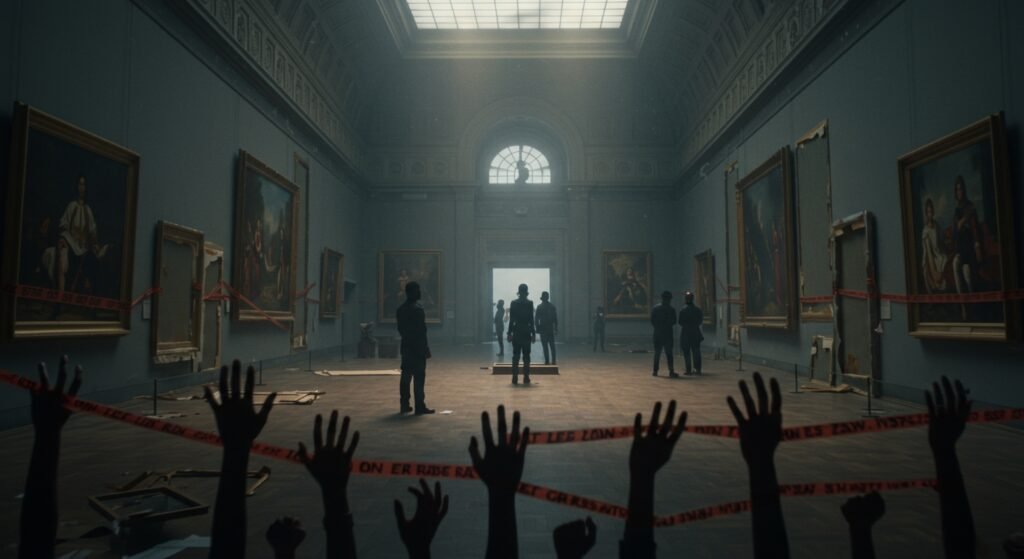
Key institutions are cited as evidence of these changes. The American Art Museum in Washington, D.C., for instance, reportedly cancelled two exhibitions dedicated to Black and LGBTQ artists. These cancellations are said to have followed directly from federal funding cuts impacting the museum’s operations and programming decisions. Such instances highlight how budgetary measures can have immediate and specific repercussions on artistic representation and accessibility.
Further illustrating this trend, the National Endowment for the Arts (NEA), a crucial federal agency supporting artistic endeavors, has reportedly undertaken significant changes. The agency is said to have scrapped its “Challenge America” program, an initiative specifically designed to support artistic projects in marginalized communities across the nation. Simultaneously, the NEA has reportedly revised its grant criteria, leading to concerns about shifting priorities and reduced support for diverse or challenging artistic work.
A Climate of Fear and Intimidation
Beyond direct institutional and funding impacts, a discernible climate of fear and intimidation is said to be rising within the arts community. Concerns are mounting regarding the potential reinstatement of strict travel restrictions, reminiscent of previous policies. Such measures could significantly impact artists from Muslim-majority countries or Latin American nations, hindering international collaboration, cultural exchange, and the presentation of diverse global perspectives within the U.S.
Reports indicate that artists whose work addresses sensitive or politically charged topics, such as immigration or social inclusion, face daily challenges. These challenges reportedly include threats, lawsuits aimed at silencing them, direct acts of censorship, and even instances of physical violence. This pervasive atmosphere of pressure creates a chilling effect, potentially leading artists to self-censor or avoid controversial subjects altogether.
Emerging Forms of Resistance
Amidst this perceived period of despair and escalating pressure, quieter forms of resistance are beginning to emerge within the cultural sector. Unlike the highly visible and large-scale demonstrations of the past, such as the 2017 Women’s March, these acts of defiance are described as more discreet and less overtly public. This subdued approach to resistance is believed to be shaped by the current environment, marked by a pervasive sense of fear and what some describe as the normalization of violence against dissenting voices.
While less visible than previous protest movements, these subtle forms of resistance – potentially involving underground exhibitions, private gatherings, digital networks, or coded artistic statements – represent an ongoing effort by artists and cultural figures to maintain their integrity and continue their work despite the challenging political climate. The long-term impact of these early months on the fabric of American culture and the resilience of its creative voices remains a subject of ongoing observation and analysis.
More Stories
The Women of Flower Drum Song Returns to Democracy Center
Freedom Plane Tour Brings History to Atlanta
PEN America’s 2026 Festival: Literature’s Defiant Return