











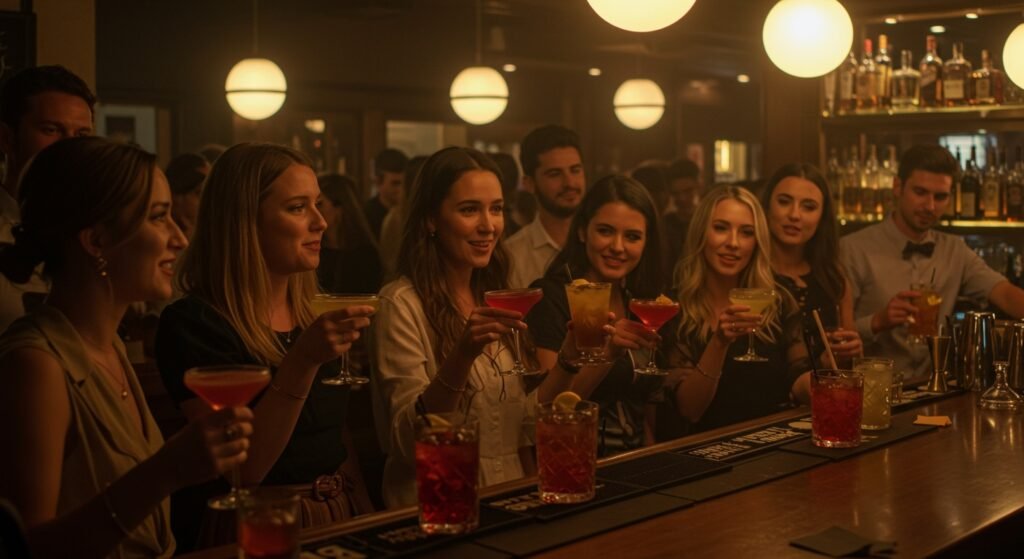
In a significant trend reshaping America’s hospitality sector, cocktail consumption is experiencing a robust surge, particularly energizing the “On Premise” market – venues where drinks are served for consumption on-site, such as bars, restaurants, and clubs.
New data from CGA by NIQ’s BeverageTrak highlights that this dynamic growth is heavily influenced by consumers aged 21 to 54, with Gen Z and late millennials emerging as key drivers at the forefront of this cultural shift.
A Deep Dive into Consumer Behavior
The findings reveal that approximately one in three individuals within the 21-54 age bracket regularly consume cocktails when visiting On Premise establishments. This demographic is characterized by a notable adventurousness in their drink choices, a keen sense of brand awareness, and a demonstrated willingness to pay for quality beverages. This suggests a move beyond simple indulgence towards a more discerning and experience-driven approach to drinking out.
Understanding consumer motivation is crucial for operators. The data indicates that taste is the primary factor influencing cocktail selection for a substantial 71% of drinkers. Beyond flavor, the perceived quality of the drink is deemed important by nearly half of consumers, while over a quarter exhibit sensitivity to the specific brand of spirits or mixers used. This confluence of factors underscores the importance of crafting well-balanced, high-quality drinks using recognizable brands to capture consumer interest.
The study also notes that patrons, especially younger ones, are increasingly likely to check the menu carefully before making their selection, indicating a more considered purchasing process rather than spontaneous ordering.
Financial Impact and Market Performance
The ascendance of cocktails is having a tangible and positive impact on the financial health of the On Premise sector. According to BeverageTrak data, cocktails now constitute a significant 34% of the total spirits value generated in these venues. This substantial market share translates into considerable revenue, with cocktails generating an average of over $14,000 in outlet revenue within a typical 12-week period.
Furthermore, the average price point for a cocktail serve stands at an impressive $13.75. This figure positions cocktails favorably against other popular beverage categories, with the data explicitly stating that cocktails are financially outpacing both beer and wine in the On Premise environment. The higher price point, supported by consumer willingness to pay for quality and experience, significantly boosts profitability for establishments.
Timing and Popular Selections
The peak times for cocktail consumption align with traditional social patterns. Unsurprisingly, sales reach their zenith on Friday and Saturday nights. However, the data also identifies Thursday as a notably lucrative weekday for cocktail sales, suggesting expanding opportunities outside the traditional weekend.
Across the week, sales typically peak during the evening hours, specifically between 6 pm and 10 pm, coinciding with dinner service and early evening socialising. While evenings dominate, the data also highlights earlier consumption occasions; drinks like the Bellini and Mimosa remain popular choices earlier in the day, typically consumed between 11 am and 3 pm, often associated with brunch or daytime gatherings.
In terms of specific drink preferences, established classics continue to hold sway. The data points to the Margarita and Old Fashioned as enduringly popular choices among American consumers.
The Bartender’s Crucial Role
The human element remains vital in the cocktail experience. Bartenders play a significant role in shaping customer decisions and driving sales. The study found that a substantial 79% of bartenders regularly engage with patrons by suggesting specific drinks. This interaction allows bartenders to influence choices, introduce new or premium options, and enhance the overall customer experience, further contributing to the category’s success.
These insights underscore the vibrant and evolving nature of America’s cocktail culture. Matthew Crompton, Vice President On Premise at CGA by NIQ, summarized the findings, highlighting the key trends of younger consumer engagement, the financial importance of the category, and the various factors influencing consumer choice and timing.
The data collectively paints a clear picture: cocktails are not just a passing fad but a fundamental and growing component of the US On Premise market, driven by a combination of consumer demand for taste and quality, strategic pricing, and the skilled recommendations of service professionals. For bars and restaurants, understanding and capitalizing on these trends is essential for maximizing revenue and meeting the evolving desires of their clientele.
More Stories
PEN America’s 2026 Festival: Literature’s Defiant Return
Dive Deep into American Culture: Quiz Explores Baseball Legends and Quirky Snacks
Original Penguin Sues Pudgy Penguins for Trademark Infringement Over Penguin Branding