











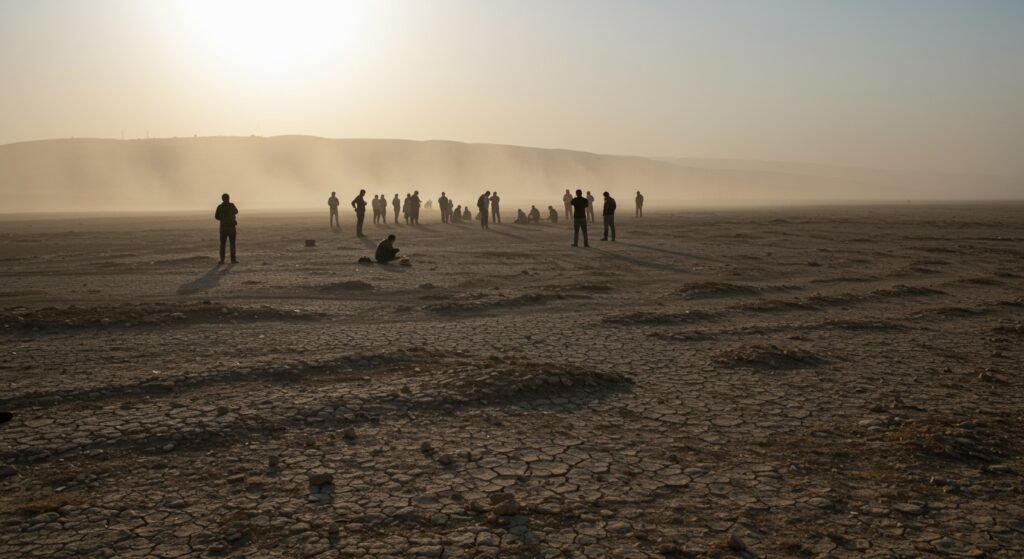
Southern Lebanon has been plunged into renewed crisis following a deadly confrontation where Israeli forces opened fire on demonstrators. The incident, which occurred amidst simmering tensions over Israel’s delayed withdrawal from the region, resulted in a significant loss of life and numerous injuries, casting a pall over the fragile ceasefire agreement that ended the recent Israel-Hezbollah conflict. The tragic events underscore the volatile nature of the post-war landscape and the deep-seated frustrations that persist despite the cessation of major hostilities.
Escalation and Casualties on the Border
The violent episode unfolded in southern Lebanon, a region that has borne the brunt of past conflicts and remains sensitive. Reports indicate that residents had gathered to voice their demands regarding the presence of foreign troops. According to initial accounts from the ground, Israeli forces present in the area confronted the protesters, and the situation rapidly deteriorated, leading to the use of live fire by the troops. The immediate aftermath revealed a devastating toll among the demonstrators. At least 22 people were killed in the confrontation. The fatalities included a specific demographic detail that highlighted the broad impact of the violence on the civilian population: six women were confirmed among the dead. In addition to the fatalities, the incident left a substantial number of people injured; 124 others were injured, requiring urgent medical attention and adding to the humanitarian cost of the confrontation. The scale of casualties immediately drew sharp international condemnation and raised serious questions about the rules of engagement employed by the forces involved.
Roots of the Protest: Unmet Withdrawal Demands
The demonstrations themselves were reportedly triggered by mounting impatience and frustration over Israel’s delayed withdrawal from southern Lebanon. Following the intense conflict that raged between Israel and Hezbollah, a ceasefire agreement was brokered by international mediators. This agreement was intended to pave the way for stability and the return of sovereignty to the Lebanese state in the south. A key requirement of this ceasefire agreement was the timely and complete withdrawal of Israeli troops from Lebanese territory they occupied or controlled during and before the conflict. However, weeks after the ceasefire took effect, the pace and scope of the withdrawal process appear to have fallen short of expectations for many Lebanese citizens, particularly those directly affected in the south and those displaced by the war. The protests were therefore a direct expression of the public’s demand for the implementation of this crucial term of the agreement and the full restoration of Lebanese control over their land, free from foreign military presence.
The Fragile Ceasefire Context
The ceasefire agreement itself was the culmination of intensive diplomatic efforts to halt the destructive conflict that had raged between Israel and Hezbollah. This war, which had caused widespread damage to infrastructure and resulted in significant civilian casualties and displacement on both sides of the border, ended with a fragile truce. The agreement aimed to establish a new security paradigm in southern Lebanon, primarily involving the deployment of the Lebanese army and United Nations peacekeepers (UNIFIL) to fill the vacuum left by the withdrawing Israeli forces and to prevent future hostilities by controlling the border area. The requirement for Israel’s withdrawal was central to legitimizing the ceasefire in the eyes of the Lebanese population and government, who viewed it as a necessary step towards sovereignty and stability. The current crisis, stemming directly from the delayed withdrawal and the subsequent deadly confrontation with protesters, starkly highlights the precariousness of this post-war arrangement and the potential for seemingly localized incidents to unravel broader peace efforts. The failure to fully implement key clauses of the agreement, particularly the withdrawal timeline, appears to be a significant factor fueling instability and public unrest, demonstrating the delicate balance required to maintain peace.
Implications for Regional Stability and the Ceasefire’s Future
The tragic events in southern Lebanon carry significant implications not only for the immediate vicinity but also for the wider regional stability. The ceasefire between Israel and Hezbollah, though tested frequently by smaller border incidents and heated rhetorical exchanges, had largely held in terms of preventing a return to full-scale conflict since its implementation. However, an incident resulting in this many fatalities, particularly involving civilians engaged in protest against the terms of the agreement itself, risks escalating tensions dramatically. It provides potential flashpoints for renewed confrontation between various parties and undermines the trust necessary for the long-term success of the ceasefire agreement. The international community, which played a crucial role in brokering the ceasefire and maintaining peacekeeping forces on the ground, will likely view this development with grave concern. The incident could complicate the mandated roles of both the Lebanese army and UNIFIL in securing the border region and implementing the terms of the agreement, potentially requiring a reassessment of security protocols and diplomatic engagement. Ensuring accountability for the deaths and injuries, alongside accelerating the agreed-upon withdrawal in a verifiable manner, will be crucial steps in attempting to de-escalate the situation and preserve the fragile peace.
Background of the Conflict and Withdrawal
Understanding the current crisis requires acknowledging the complex history of the region and the specific context of the Israel-Hezbollah war that preceded the ceasefire. This conflict was part of a long-standing pattern of tension and violence along the Israel-Lebanon border, rooted in historical grievances, territorial disputes, and geopolitical rivalries. The war itself resulted from a combination of factors, including cross-border incidents and broader regional dynamics, leading to a devastating impact on civilian populations and infrastructure on both sides. The subsequent ceasefire was agreed upon out of necessity to prevent further destruction, albeit a difficult one to implement fully given the complexity of the issues involved. The current protests and the deadly response from Israeli forces are thus not isolated events but are deeply rooted in the unresolved issues and lingering resentments from that conflict, particularly concerning the presence of foreign troops on Lebanese soil. The desire among many Lebanese citizens for the complete and unconditional withdrawal of all foreign forces remains a powerful sentiment, central to the concept of full national sovereignty.
Paths Forward After the Tragedy
The immediate priority in the wake of this tragedy is to prevent further loss of life and to find a path towards de-escalation and the restoration of calm. This involves a renewed focus on the full and verifiable implementation of the ceasefire agreement, including the acceleration of Israel’s withdrawal from southern Lebanon according to the agreed timeline and terms. It also requires careful investigation into the circumstances that led to Israeli forces opening fire on the protesters, ensuring accountability for actions taken, and reviewing protocols to prevent similar incidents in the future. The international community, particularly the United Nations and key diplomatic players involved in the original ceasefire negotiations, may need to re-engage actively to support the Lebanese government, UNIFIL, and the various parties involved in upholding the ceasefire and addressing the underlying grievances that are fueling instability. The tragic deaths of the 22 people, including the six women, and the injuries to 124 others serve as a stark reminder of the human cost of stalled peace processes and the urgent need for all parties to uphold their commitments under the ceasefire agreement. The path to lasting stability and sovereignty in southern Lebanon remains fraught with peril, requiring careful navigation, genuine commitment to diplomatic solutions, and a focus on the needs and safety of the civilian population.
More Stories
AI Smuggling Ring Busted: 3 Charged in $2.5B Tech Heist
Middle East Tensions Explode: Iran Launches Missile Barrage After US-Israel Strikes
Russia Shares Intel with Iran to Target US Forces Amid Escalating War