











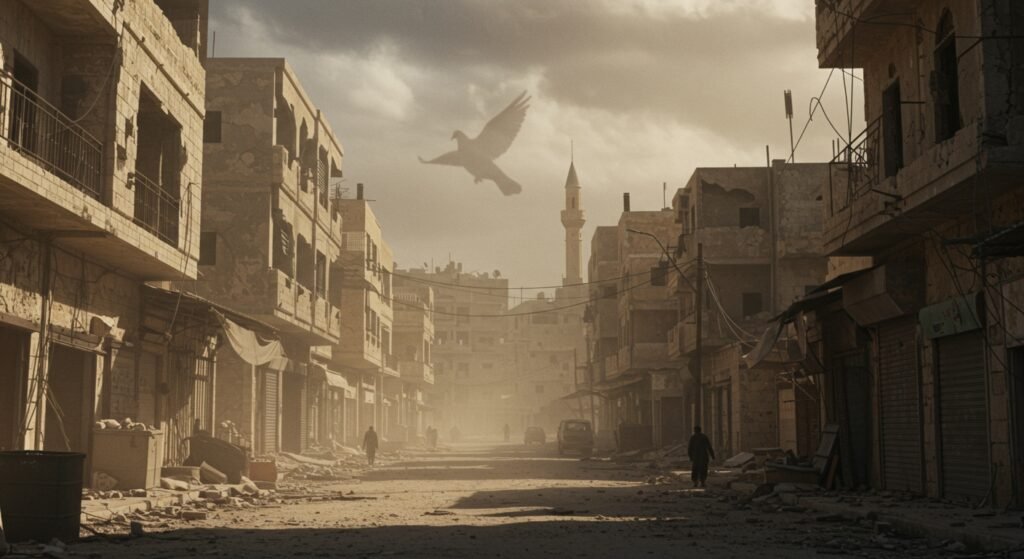
Rafah, Gaza Strip – Israeli attacks in the southern Gaza governorate of Rafah resulted in the deaths of three Palestinians and left several others wounded on Saturday, March 8, 2025. The deadly incidents unfolded concurrently with diplomatic efforts aimed at securing a new ceasefire, as Hamas officials were engaged in discussions in Cairo and Israel confirmed its intention to send a negotiating delegation to Qatar.
The violence on Saturday morning underscored the precarious situation in the densely populated southern region. An Israeli drone strike conducted east of Rafah city killed two Palestinians. Separately, an Al Jazeera correspondent reported that another individual was killed by Israeli fire in the area of at-Tannour, also situated east of Rafah. These fatalities add to the growing death toll in the territory amidst the ongoing conflict.
Diplomatic Efforts Amidst Violence
The backdrop to Saturday’s violence is a complex and stalled diplomatic process. The initial phase of the ceasefire between Israel and Hamas concluded on March 1, and a subsequent week-long truce was set to expire on March 8, the very day of the renewed hostilities. This confluence of events has heightened anxieties among Palestinians regarding the potential for the second phase of talks, which are intended to bring a definitive end to the war, to prove inconclusive.
Hamas officials were present in the Egyptian capital, Cairo, for discussions focused on brokering a new agreement. Adding another layer to the diplomatic maneuvers, Israeli Prime Minister Benjamin Netanyahu’s office issued an announcement confirming that Israel would dispatch a delegation to Doha, Qatar, on Monday, March 10, to advance negotiations. A spokesperson for Hamas offered a cautiously optimistic outlook, stating there were “positive indicators” suggesting that talks on the second phase could commence in the near future, despite the violence and the lack of a clear breakthrough thus far.
Humanitarian Crisis Deepens
Compounding the suffering caused by the military actions, the Israeli blockade of humanitarian aid continues to inflict severe hardship on the civilian population. Hamas issued a strong condemnation of the blockade on Saturday, describing it unequivocally as a “war crime of collective punishment against over two million Palestinian civilians through starvation and the deprivation of basic life necessities for the seventh consecutive day.” This stark assessment highlights the dire humanitarian situation on the ground, where access to essential supplies remains critically limited.
Pressure Mounts for End to Conflict
Pressure for a resolution is not confined to official negotiating channels. Within Israel, voices are being raised urging the government to prioritize the release of captives and the full implementation of a ceasefire. More than 50 freed Israeli captives have collectively appealed to Prime Minister Netanyahu to fully implement the Gaza ceasefire that was previously agreed upon and to secure the release of all those still being held by Hamas and other groups in the Gaza Strip. Their personal experiences underscore the urgency of reaching an agreement that would see the return of remaining captives and potentially pave the way for a lasting cessation of hostilities.
Saturday, March 8, 2025, thus represented a day marked by tragic loss of life in Rafah, set against the backdrop of fragile diplomatic efforts in regional capitals. The continued violence and the ongoing humanitarian crisis underscore the significant challenges facing negotiators as they attempt to bridge divides and achieve a lasting peace in the besieged territory.
More Stories
AI Smuggling Ring Busted: 3 Charged in $2.5B Tech Heist
Middle East Tensions Explode: Iran Launches Missile Barrage After US-Israel Strikes
Russia Shares Intel with Iran to Target US Forces Amid Escalating War