










Kabul, Afghanistan – A significant development in Afghanistan’s resource sector unfolded on March 5, 2025, as Russian energy firm Inteco formally signed an agreement with the Taliban administration for oil extraction and other key economic activities. The pact, finalized in the Afghan capital, Kabul, marks a notable step in fostering economic ties between Moscow and the authorities currently governing Afghanistan.
The agreement is comprehensive, encompassing five distinct areas of cooperation. While oil extraction forms a central pillar of the deal, the scope extends significantly beyond, specifically including sectors crucial for national development and economic growth. The other areas explicitly named within the agreement’s purview are aviation, commerce, and gas exploration.
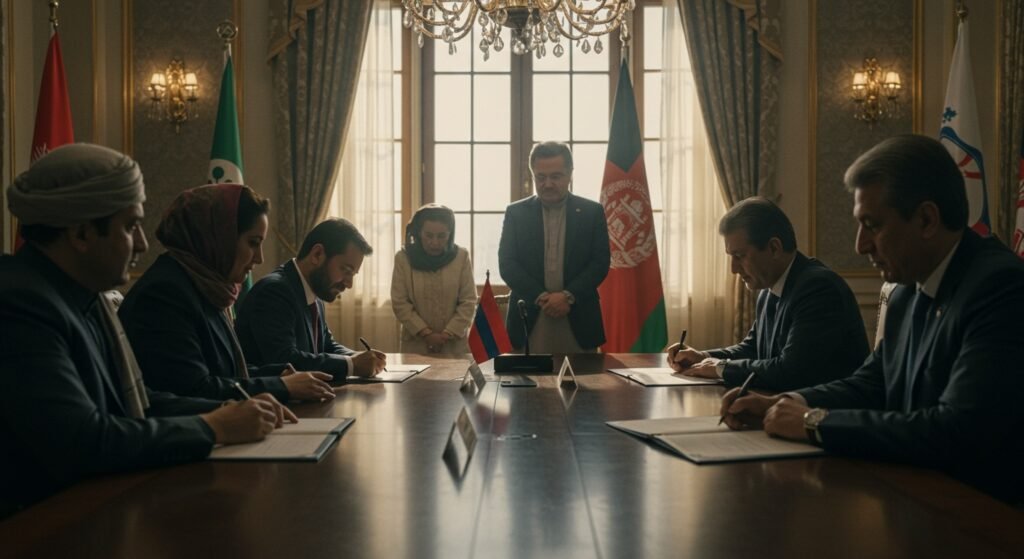
Representatives from Inteco and high-ranking officials from the Taliban administration were present for the signing ceremony in Kabul. Details regarding the specific concessions, investment amounts, timelines, and operational specifics for each of the five areas have not been fully disclosed publicly at this initial stage.
Strategic Implications
This agreement holds considerable strategic importance for both parties. For the Taliban administration, which came into power in August 2021, securing foreign investment from a major international player like Russia is a critical step in its efforts to stabilize the economy, generate revenue, and gain a degree of international engagement, despite the administration not being formally recognized by most governments worldwide. Afghanistan’s economy has been grappling with severe challenges, including frozen assets, a cutoff of international aid, and high unemployment. Attracting investment, particularly in vital resource sectors, is seen by the Taliban as essential for self-sufficiency and governance legitimacy.
For Russia, the deal underscores its deepening engagement with Afghanistan under Taliban rule. Moscow has maintained a pragmatic approach towards the Taliban since their takeover, focusing on security concerns related to potential instability spilling into Central Asia and pursuing economic opportunities. This energy extraction and multi-sector deal provides Russia with a potential long-term economic interest in Afghanistan and strengthens its regional influence. It also aligns with Russia’s broader strategy of navigating a complex geopolitical landscape by building relationships and securing resources in various parts of the world.
Details of the Energy Agreement
The core of the deal focuses on energy resources, specifically oil extraction and gas exploration. Afghanistan possesses untapped reserves of oil and natural gas, primarily in the northern provinces. Developing these resources could provide a much-needed source of domestic energy and export revenue for the country. The involvement of Inteco, a Russian energy firm, suggests a potential infusion of technical expertise, capital, and technology required for challenging extraction processes.
The inclusion of gas exploration alongside oil extraction indicates a broader ambition to assess and potentially exploit Afghanistan’s hydrocarbon potential comprehensively. Such projects often involve extensive surveying, drilling, and infrastructure development, presenting both opportunities and significant logistical and security challenges in the Afghan terrain.
Broader Economic Cooperation
The agreement’s reach into aviation and commerce signals a desire for a more holistic economic partnership. While specific projects were not detailed, cooperation in aviation could involve infrastructure development, logistics, or transportation links, potentially facilitating the movement of personnel and equipment for resource projects or boosting trade. The mention of commerce is broad, likely encompassing facilitation of trade, investment opportunities beyond energy, and potentially the establishment of trade corridors or specific commercial ventures between Russia and Afghanistan.
The multi-sector nature of the deal suggests that both Inteco and the Taliban are looking beyond isolated resource extraction towards a more integrated economic relationship, though the specifics across all five areas will determine the true breadth and depth of this cooperation.
Challenges and Outlook
Despite the signing of this agreement, numerous challenges lie ahead. Security remains a persistent concern in Afghanistan, which could impact the feasibility and safety of extraction and infrastructure projects, particularly in remote areas. Furthermore, the lack of international recognition for the Taliban administration complicates foreign investment, raising questions about legal frameworks, dispute resolution, and the potential impact of international sanctions, although Russia is also subject to various international sanctions.
Environmental considerations and the need for transparent governance and revenue management will also be critical factors influencing the success and sustainability of these ventures. Large-scale resource extraction projects require robust regulatory frameworks to ensure responsible practices and prevent corruption, an area where international scrutiny on Afghanistan remains high.
The deal between Inteco and the Taliban on March 5, 2025, in Kabul is a significant marker in Afghanistan’s quest for economic self-reliance and Russia’s strategy in Central Asia. Its ultimate impact will depend on successful implementation, navigating complex political and security landscapes, and managing the technical and logistical hurdles inherent in developing Afghanistan’s natural resources and other key economic sectors encompassed within the five areas of this landmark agreement.
More Stories
Iran Military Scoffs as US Pushes Ceasefire Plan Amid Escalating Tensions
AI Smuggling Ring Busted: 3 Charged in $2.5B Tech Heist
Middle East Tensions Explode: Iran Launches Missile Barrage After US-Israel Strikes