











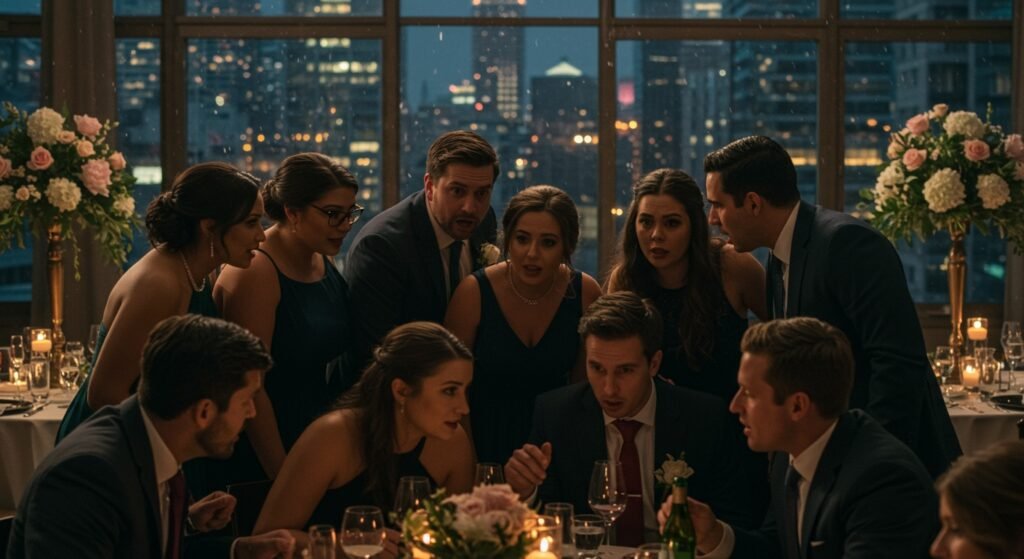
Andrew Ahn’s contemporary reinterpretation of The Wedding Banquet, Ang Lee’s acclaimed 1993 classic, arrives on screen offering a poignant and often uproarious exploration of identity, family expectations, and the complexities of modern relationships. Co-written by James Schamus, who also contributed to the original screenplay, this new iteration sets the enduring narrative of a fake marriage intended to satisfy parental expectations and secure immigration status against the backdrop of present-day Seattle, Washington.
The original film famously depicted a Taiwanese immigrant landlord entering into a marriage of convenience with his mainland Chinese tenant. This arrangement was designed to facilitate the tenant’s green card application while simultaneously allowing the landlord to conceal his committed relationship with his gay boyfriend from his parents. Ahn’s remake updates this premise, transferring the core dynamics to a new generation and a different urban landscape, focusing intensely on the intricate web of support found within a close-knit group of friends who function as a surrogate family for one another.
Exploring the Contemporary Narrative
At the heart of this updated story is Angela Chen, portrayed by Kelly Marie Tran, a character who embodies the tenant seeking stability through a green card. Her life is deeply intertwined with her girlfriend, Lee, played by Lily Gladstone, adding a significant layer to the story’s emotional core and reflecting evolving societal dynamics around same-sex relationships. Navigating the complexities of her situation, Angela relies heavily on her best friend, Chris, brought to life by Bowen Yang, who takes on the role of the landlord in this version. Chris, in turn, is in a relationship with his artist boyfriend, Min, played by Han Gi-chan, further grounding the film in contemporary queer experiences.
The pressure mounts with the impending arrival of Angela’s mother, May, portrayed by the distinguished actress Joan Chen. May’s presence introduces a central dramatic tension, as Angela grapples with the prospect of revealing her true life to her mother. Intriguingly, the film portrays May as a public ally of the Seattle gay community, adding a layer of complexity to her character and the potential conflict, suggesting a facade or perhaps a disconnect between public persona and private acceptance when confronted with her own child’s reality.
Blending Farce and Feeling
The film masterfully balances comedic setups born from the elaborate deception with genuine emotional depth. As one review out of the Sundance Film Festival on January 30 noted, the movie is a “messy but winning film.” It delivers a “whipsawing” or “rom-com whiplash” effect, oscillating effectively between moments of broad farce stemming from the staged wedding and the genuine emotional realism of the characters’ struggles and relationships. This tonal blend is central to the film’s impact.
While the overall direction of the story, given its source material, may feel predictable to those familiar with the original, the review highlighted that the emotional impact is anything but. The performances, particularly within the core ensemble, are credited with imbuing the narrative with unexpected resonance and sincerity, making the journey emotionally engaging despite the foreseeable plot points. The dynamic between Angela, Lee, Chris, and Min, and how they navigate the elaborate ruse together, forms the film’s beating heart, showcasing the strength and resilience of chosen families.
Critical Reception and Release
The Wedding Banquet remake first garnered attention following its premiere at the Sundance Film Festival on January 30, where it received initial critical assessment. The positive reception prompted its wider distribution, and the film was subsequently recirculated for its theatrical release on April 18, allowing a broader audience to experience its unique blend of humor and heart.
Andrew Ahn’s take successfully honors the spirit of Ang Lee’s pioneering work while updating its themes and setting for a modern audience. By rooting the story firmly in the lives of its diverse characters and their relationships within the supportive community of Seattle, the film offers a fresh perspective on the timeless themes of cultural identity, intergenerational expectations, and the universal desire for acceptance and belonging. It stands as a testament to the enduring power of the original story and its continued relevance in contemporary society, navigating complex issues with both sensitivity and comedic flair.
More Stories
Waterbaby’s ‘Memory Be a Blade’ Delves Deeply into Post-Breakup Healing
Waterbaby’s Debut ‘Memory Be a Blade’: A Deep Dive into Post-Breakup Healing
Latest Movie Reviews: Four New Films Offer Diverse Critical Praise