











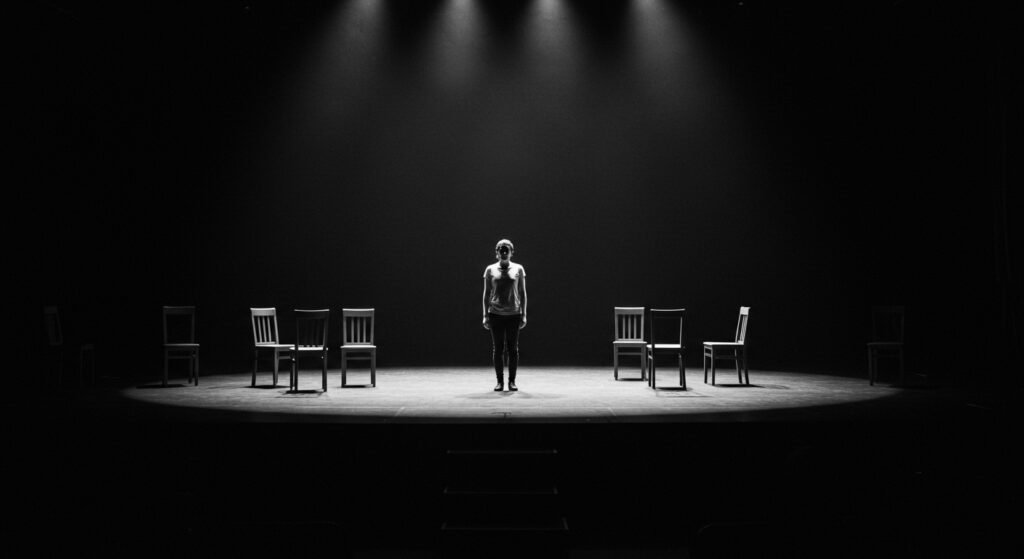
A recent review published by TheWrap delves into “Bono: Stories of Surrender,” a film directed by Andrew Dominik that provides an intimate, albeit unconventional, exploration of the life of U2 frontman Bono. The cinematic work is rooted in two key sources: Bono’s 2022 autobiography, “Surrender: 40 Songs, One Story,” and the subsequent theatrical stage presentation based on the book, which notably included a successful 10-night run at New York’s esteemed Beacon Theatre.
A Non-Traditional Musical Portrait
The film distinguishes itself from a traditional concert movie format. Instead, it weaves together Bono’s narrative with musical performances that represent a significant reimagining of his work with U2. Central to this approach are over a dozen reconfigured U2 songs. These tracks are not presented in their original rock arrangements but are instead performed by the Jacknife Lee Ensemble, an assembly that incorporates instrumentation typically not central to U2’s sound, featuring cello, harp, and keyboards.
The review from TheWrap highlights the efficacy of these musical reinventions. It notes that these “dramatic musical reinventions” are “often more successful” when compared to the stripped-down versions featured on U2’s recent album, “Songs of Surrender.” This contrast underscores the unique sonic landscape crafted for the film, which aims to complement the personal and reflective tone of Bono’s life story.
Visual Style and Symbolic Setting
Director Andrew Dominik’s vision for “Bono: Stories of Surrender” is markedly distinct, leaning heavily on aesthetic choices to convey thematic depth. The film employs “lustrous black and white cinematography,” a visual decision that lends a timeless, stark, and often dramatic quality to the proceedings. This grayscale palette shapes the mood and intensity of the film, focusing the viewer’s attention on the performance and the narrative rather than visual spectacle or color.
The setting for the film’s performances and storytelling is described as a “stark set with minimal furniture.” This minimalist approach serves to place Bono himself, and the weight of his story, at the forefront. A particularly poignant symbolic element within this setting is the inclusion of empty chairs. These chairs are specifically noted as “symbolizing Bono’s U2 bandmates The Edge, Adam Clayton, and Larry Mullen Jr.” This visual metaphor powerfully underscores the personal nature of Bono’s solo endeavor while simultaneously acknowledging the foundational relationship he shares with the band members who have been integral to his life and career.
The Fusion of Narrative and Performance
“Bono: Stories of Surrender” is presented as a deliberate “mashup of Bono’s life and music.” The film fluidly integrates elements from his autobiography and the stage show, using the reconfigured songs as a soundtrack and thematic anchor for the personal stories being shared. This fusion aims to provide viewers with a deeper understanding of the man behind the music, tracing the trajectory of his life through the lens of his own words and the reinvented sounds of his band.
Critical Reception: Grandeur and Emotion
TheWrap review characterizes the film in terms that suggest both its ambition and its emotional impact. It is described as “bombastic, extravagant, and at times melodramatic, yet ultimately glorious.” These descriptors highlight the film’s willingness to embrace grand scale and emotional intensity, reflecting perhaps the larger-than-life persona of its subject and the dramatic arc of his storied career. The use of terms like “glorious” indicates that despite moments of perceived excess or melodrama, the overall effect is seen as highly successful and impactful.
This critical assessment aligns with the spirit captured in the original headline’s phrase, “Grand and Bombastic, the Way We Like It,” suggesting that the film delivers a portrayal of Bono that is both expansive and emotionally resonant, meeting certain expectations for a figure of his stature.
In conclusion, according to TheWrap’s review, “Bono: Stories of Surrender” stands as a compelling and unique cinematic project. Directed by Andrew Dominik and drawing from Bono’s deeply personal memoir and stage production, the film offers a distinctive blend of music and autobiography. Through its striking black and white visuals, symbolic set design, and innovative musical arrangements by the Jacknife Lee Ensemble featuring cello, harp, and keyboards, it presents the U2 frontman’s life story with a perceived grandeur and emotional honesty that, while at times bombastic and perhaps melodramatic, culminates in what is deemed an ultimately glorious artistic statement.
More Stories
Waterbaby’s ‘Memory Be a Blade’ Delves Deeply into Post-Breakup Healing
Waterbaby’s Debut ‘Memory Be a Blade’: A Deep Dive into Post-Breakup Healing
Latest Movie Reviews: Four New Films Offer Diverse Critical Praise