











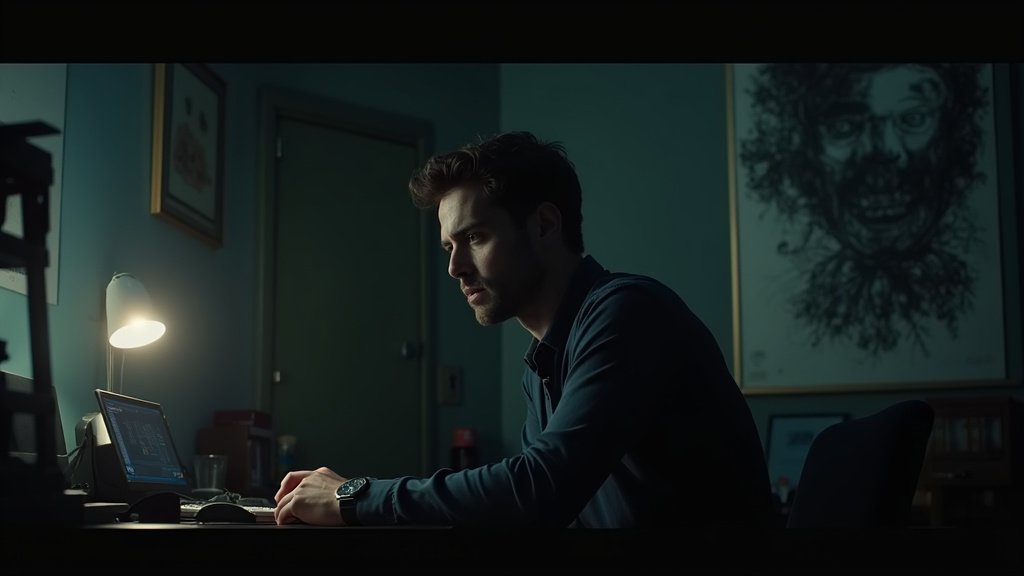
James Sweeney’s latest cinematic offering, “Twinless,” has arrived, presenting a darkly comedic and psychologically charged exploration of grief, loneliness, and the desperate pursuit of connection. This new movie, which premiered at the 2025 Sundance Film Festival to significant acclaim, including an Audience Award, delves into the profound impact of losing a twin and the unsettling paths people might tread in their search for belonging.
A Foundation Built on Loss and Lies
At its core, “Twinless” follows Roman (Dylan O’Brien), a young man grappling with the recent death of his identical twin brother, Rocky. O’Brien delivers a career-defining performance, masterfully embodying both the vulnerable, grief-stricken Roman and the more charismatic, deceased Rocky, showcasing a remarkable range that has earned widespread praise from early movie reviews. Roman’s struggle is compounded by the unique nature of twin loss, a grief that feels akin to losing a part of oneself. Seeking solace, he attends a support group for individuals who have lost their twins. It’s here that Roman meets Dennis (played by writer-director James Sweeney), a seemingly friendly and witty man who also claims to be twinless.
What begins as an unlikely friendship, a bromance forged in shared sorrow, quickly escalates. Dennis, portrayed with a disarming mix of charm and neurosis by Sweeney, becomes Roman’s constant companion, filling the void left by Rocky. The film, running at a tight 100 minutes, initially plays like a poignant buddy comedy, highlighting the human need for connection. However, Sweeney, who also penned the script, artfully weaves in a disturbing undercurrent. It’s gradually revealed that Dennis’s story is not entirely truthful; he had a prior, obsessive connection with Rocky, and his deception in befriending Roman is a calculated, desperate act driven by profound loneliness.
Exploring the Darker Sides of Connection
“Twinless” unflinchingly examines the extreme measures loneliness can compel individuals to take. The film treads into psychological thriller territory as Dennis’s fixation on Roman deepens, blurring the lines between friendship, codependency, and obsession. Sweeney expertly navigates these complex themes, drawing comparisons to directors like Brian De Palma for his sophisticated use of cinematic language, including split screens and dynamic framing. The narrative takes unexpected, often jarring, turns, earning its reputation for being audacious and, at times, unhinged.
Beyond the central duo, the film features strong supporting performances. Aisling Franciosi, who previously impressed in “Speak No Evil,” plays Marcie, a coworker of Dennis who becomes Roman’s romantic interest and a key figure in uncovering the truth about Dennis. Lauren Graham provides a grounding presence as Roman and Rocky’s mother, Lisa. The movie’s exploration of identity is multifaceted, touching on themes of queer culture, as Dennis is gay and Rocky was also gay, contrasting with Roman’s straight identity, and how these facets influence their understanding of themselves and each other.
Critical Acclaim and a Bold Vision
The critical consensus for “Twinless” has been overwhelmingly positive. Critics have lauded its originality, its masterful blend of laugh-out-loud dark humor with devastating emotional depth, and its refusal to adhere to conventional genre boundaries. The 98% score on Rotten Tomatoes and an ‘A’ CinemaScore are testaments to its impact on both critics and audiences. Reviewers frequently highlight James Sweeney’s growth as a filmmaker since his debut, “Straight Up,” praising his sharp writing, directorial confidence, and brave willingness to explore uncomfortable truths about human nature.
“Twinless” is more than just a movie about grief; it’s a provocative character study that probes the depths of human desire and the potential for darkness that can stem from isolation. It’s a film that stays with the viewer, prompting reflection on the nature of companionship, the complexities of identity, and the lengths one might go to avoid feeling truly alone. The movie’s open-ended conclusion invites continued discussion, leaving audiences contemplating the possibility of forgiveness and healing in the face of betrayal and profound loss.
“Twinless” is now playing in select theaters, offering a compelling and thought-provoking cinematic experience that is sure to be remembered among the most original movies of the year. Its blend of sharp wit and emotional resonance solidifies its place as a standout in the latest wave of film releases.
More Stories
Waterbaby’s ‘Memory Be a Blade’ Delves Deeply into Post-Breakup Healing
Waterbaby’s Debut ‘Memory Be a Blade’: A Deep Dive into Post-Breakup Healing
Latest Movie Reviews: Four New Films Offer Diverse Critical Praise