











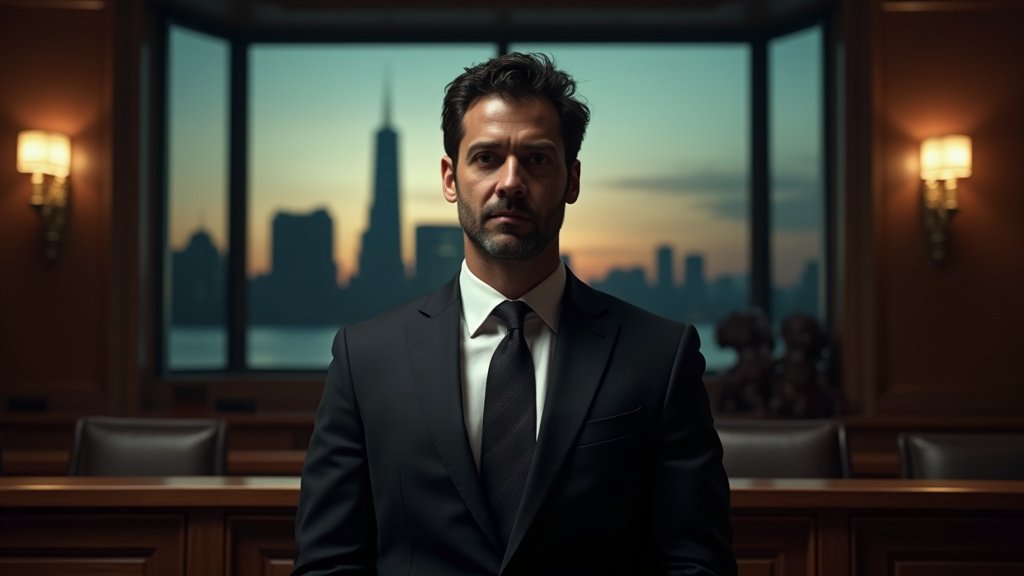
USA Network’s recent foray back into original scripted programming with “The Rainmaker” has ignited a familiar debate within the television landscape: the stark divergence between critical and audience reception. The legal drama, an adaptation of John Grisham’s acclaimed novel, premiered on August 15, 2025, carrying the significant weight of being positioned as a potential successor to network hits like “Suits.” [3, 7, 15]
Initial reviews from critics have painted a lukewarm picture, with a Rotten Tomatoes score that began at 50% and has since dipped to 47%. In stark contrast, viewers have given the series a robust 76% audience score, indicating a much more favorable engagement from the general public. This considerable gap underscores the ongoing discussion about the differing metrics and expectations held by professional reviewers versus everyday television watchers. [Seed]
USA Network’s Return to Scripted Storytelling
For several years, USA Network had largely pivoted away from original scripted series, dedicating its lineup primarily to unscripted reality shows and sports programming. [15, 19] This marked a departure from its celebrated “blue sky” era, which produced beloved character-driven legal and procedural dramas such as “Monk,” “White Collar,” and the immensely popular “Suits.” [1, 11, 19, 23, 24] The resurgence of “Suits” as a streaming phenomenon in 2023, topping Nielsen’s charts, clearly demonstrated a sustained audience appetite for well-crafted legal narratives, prompting USA Network’s strategic return to the genre. [4, 9, 20, 24]
“The Rainmaker” is the first major scripted series to emerge from this renewed commitment, with the network reportedly targeting shows with budgets conducive to this strategy. [11, 15] It represents a significant bet for USA Network, aiming to recapture the magic of its past successes and re-establish itself as a home for engaging, accessible drama. [15, 19]
The Challenge of Adaptation and Critical Scrutiny
Adapting a revered John Grisham novel, particularly one that also inspired a well-regarded 1997 film, presents inherent challenges. Showrunner Michael Seitzman acknowledged the need to expand the narrative to “give it legs to last” for a 10-episode series while balancing faithfulness to the original material with new elements. [3] This has involved reconfiguring characters and shifting the setting from Memphis to South Carolina. [3, 19]
Critics have pointed to some of these creative decisions as potential stumbling blocks. One review noted the series’ deviation from the novel’s pivotal theme of a health insurance company denying life-saving treatment, suggesting it diluted a critical aspect of the narrative. [14] This same critique highlighted a struggle to find fresh perspective and engaging storytelling, often falling back on familiar tropes and underdeveloped plots. [14] Milo Callaghan, stepping into the lead role of Rudy Baylor (famously played by Matt Damon in the film), has been described by some critics as lacking the charisma needed to fully command the screen, rendering his character more of a background figure. [14, 26]
The Enduring Critic-Audience Divide
The considerable split in Rotten Tomatoes scores for “The Rainmaker” is not an isolated incident in the television industry. Trends show that critics and audiences frequently diverge in their assessments of shows and films. [6, 8, 13, 17] Critics, who often view hundreds of productions annually, tend to develop different tastes, often seeking “something new and different.” [17] Audiences, on the other hand, may be more inclined towards familiar structures, character archetypes, and established genres, sometimes preferring “the same thing over and over again.” [17]
For “The Rainmaker,” the audience’s positive reception may stem from its embrace of classic legal drama elements and the network’s established brand. Lana Parrilla’s gender-flipped portrayal of Jocelyn “Bruiser” Stone, originally played by Mickey Rourke in the film, has been highlighted as a compelling and expertly delivered performance, offering a “brash ballsy woman” that audiences might appreciate. [15, 16, 22, 26] Similarly, John Slattery’s role as the “courtroom lion” Leo F. Drummond provides a seasoned antagonist, with his dynamic with Callaghan’s Rudy Baylor creating palpable on-screen sparring that has been praised by his co-stars. [19, 22, 26]
While critics like Jeff Ewing of Collider noted the show’s “rough edges,” they also anticipated it could evolve into a “solid legal drama.” [Seed] The audience’s higher score suggests a greater appreciation for its functional aspects and perhaps a more lenient view of its perceived imperfections, focusing instead on the dramatic stakes and the “David-and-Goliath” narrative that remains central to Grisham’s story. [26]
Implications for USA Network’s Future
The contrasting reception of “The Rainmaker” places USA Network at a crucial juncture. While critical acclaim often lends prestige, strong audience engagement is vital for ratings and longevity in the competitive television landscape. The show’s success in resonating with viewers, despite critical reservations, could signal a clear path forward for USA Network’s revived scripted strategy: delivering accessible, engaging legal dramas that tap into the enduring popularity of the genre that “Suits” exemplified. Whether “The Rainmaker” can sustain this audience enthusiasm and truly become the network’s next defining hit remains to be seen, but its initial run certainly highlights the complex, often bifurcated, nature of television reception in the modern era. [19]
More Stories
Delhi’s December 2025 Concert Extravaganza: AR Rahman, Sunidhi Chauhan, and More Set the Stage Ablaze
Holiday Gift Guide: Unwrapping 2025’s Latest & Greatest Music Box Sets
Osgood Perkins’ ‘Keeper’ Offers Visually Arresting, Ambiguous Horror with Stellar Maslany Performance