











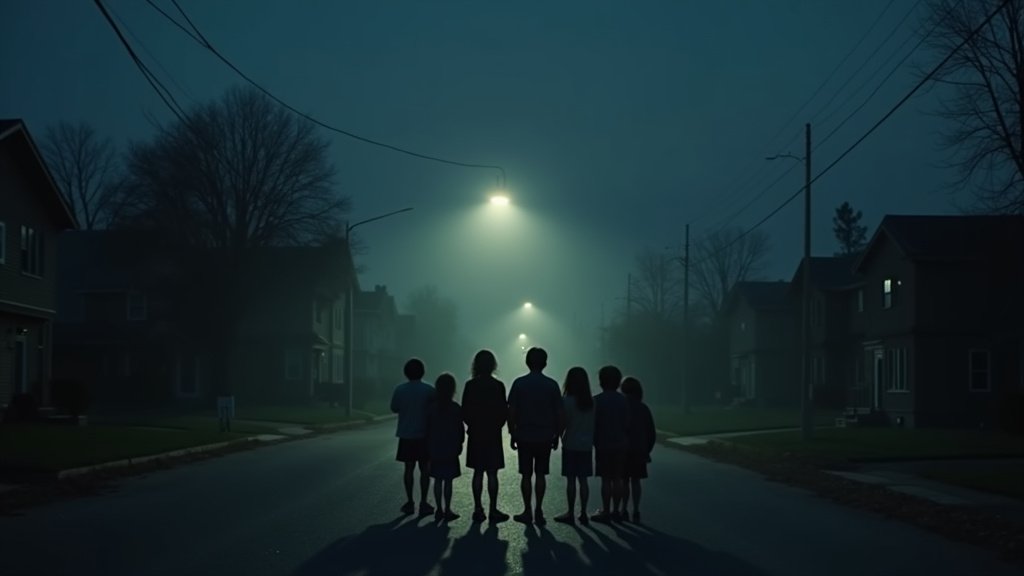
Zach Cregger’s latest cinematic offering, “Weapons,” arrives as an ambitious and intricate thriller that navigates the profound aftermath of a singular, chilling event. The film bravely unpacks the ripple effects stemming from the inexplicable vanishing of 17 children, all reported missing at precisely 2:17 a.m. This foundational mystery serves as the dark heart of a narrative told in distinct chapters, each revealing new layers of the pervasive unease and the quiet, enduring strength found in the face of unimaginable horror.
A Masterclass in Performances
At the core of “Weapons” is a constellation of powerful performances that anchor the film’s emotional weight. Julia Garner delivers a compelling turn, embodying the raw vulnerability and dawning realization that grips those left behind. Benedict Wong provides a steady, if haunted, presence, his character grappling with the unsettling truths that emerge. Equally impressive is Josh Brolin, whose portrayal captures a complex mix of desperation and steely resolve.
Adding significant gravitas to the ensemble is Amy Madigan, who delivers a fierce portrayal that commands attention. Her performance, alongside the leads, underscores the film’s commitment to exploring the human element within its unsettling premise. These actors collectively ensure that the emotional landscape of “Weapons” is as meticulously crafted as its suspenseful plot, drawing the audience deep into the characters’ struggles.
Unpacking Suburban Anxieties and Supernatural Threads
Cregger’s vision for “Weapons” extends beyond a simple mystery; it is a deep dive into the often-hidden anxieties that fester beneath the surface of suburban life. The film adeptly captures the creeping sense of desperation that arises when normalcy erodes and the insidious nature of corruption that can take root in such environments. The narrative subtly illustrates how societal decay and personal fear can intertwine, creating a potent cocktail of unease.
While the film’s narrative threads lean into the realm of the supernatural, with a reliance on sorcery that some critics have flagged as a potential narrative shortcut, its thematic resonance remains powerful. The introduction of these elements, however divisive, allows Cregger to explore the extreme measures to which individuals might resort when confronted with the inexplicable and the profound loss of innocence. Despite this reliance, the film’s true strength lies in its unflinching gaze upon the quiet resilience of children forced to confront terrifying realities. Their ability to adapt and endure, even in the darkest of circumstances, forms a crucial and moving counterpoint to the adult world’s unraveling.
A Bold, Chaptered Approach
The chaptered structure of “Weapons” is a deliberate choice that allows Cregger to build his world and its mysteries with deliberate pacing. Each segment offers a different perspective, a new piece of the puzzle, contributing to the overarching tapestry of dread and inquiry. This method of storytelling, while demanding of the viewer’s attention, rewards them with a rich, intricately woven narrative that feels both expansive and intensely personal.
Ultimately, “Weapons” stands as a testament to Cregger’s evolving directorial voice. It is a movie review-worthy thriller that, despite its potentially divisive supernatural underpinnings, succeeds in creating a deeply affecting exploration of loss, resilience, and the unsettling truths that can lie hidden in plain sight. The movie’s exploration of societal anxieties and the enduring spirit of the young ensures its place as a significant new entry in the thriller genre, prompting reflection long after the credits roll.
More Stories
Waterbaby’s ‘Memory Be a Blade’ Delves Deeply into Post-Breakup Healing
Waterbaby’s Debut ‘Memory Be a Blade’: A Deep Dive into Post-Breakup Healing
Latest Movie Reviews: Four New Films Offer Diverse Critical Praise