











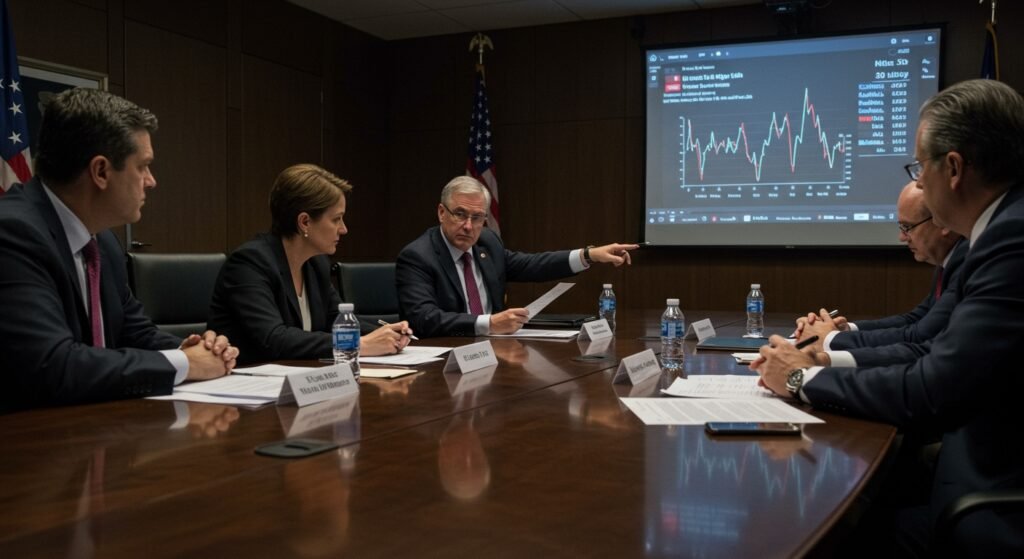
In a period marked by fluctuating global markets and domestic fiscal pressures, key government officials convened this week to address pressing economic policy matters. The high-level discussions, held over two days at the Capital Convention Center in the city of Metropolis, involved members of the National Economic Council (NEC), representatives from the Department of Finance, and leading economists. The primary focus was on evaluating proposed measures aimed at stimulating growth while managing inflation, a delicate balance that has become increasingly challenging.
Examining the Economic Landscape
The current economic climate is characterized by several complex factors. Official data released just last month indicated a 0.5% contraction in the Gross Domestic Product (GDP) for the previous quarter, coupled with a stubbornly high unemployment rate of 6.2%. Consumer confidence polls have also shown a significant downturn, reaching a decade low according to the latest survey conducted by the Institute for Economic Studies. These figures underscore the urgency surrounding the policy debates underway.
Discussions centered on identifying potential catalysts for recovery. Experts presented various analyses, highlighting sectors such as technology and renewable energy as areas ripe for targeted investment. However, concerns were raised about the impact of existing regulatory frameworks and the need for streamlining processes to encourage private sector activity. A particular point of contention involved the proposed ‘Economic Revitalization Act,’ a comprehensive legislative package designed to inject $500 billion into infrastructure projects and small business support programs. Critics argue that while well-intentioned, the act’s funding mechanisms could exacerbate inflationary pressures.
Key Policy Proposals Under Review
The NEC meeting agenda was packed, delving into several specific policy proposals. One prominent item was the potential implementation of a temporary Value Added Tax (VAT) reduction, suggested as a means to boost consumer spending. Proponents cited studies indicating that a 2% cut could lead to a short-term increase in retail activity by up to 1.5%. Opponents, including officials from the Department of Finance, expressed concerns about the long-term fiscal implications and the difficulty of reinstating the original rate later. The estimated revenue loss from such a measure was projected to be in the range of $30 billion annually.
Another critical area of discussion involved adjustments to monetary policy. While the central bank operates independently, its actions heavily influence the economic environment. Officials reviewed potential scenarios involving interest rate adjustments and quantitative easing programs. The consensus seemed to lean towards a cautious approach, recognizing the global interconnectedness of financial markets and the potential for unintended international repercussions from aggressive policy shifts. The impact of rising global commodity prices, particularly energy costs which have increased by over 25% in the last six months, was also a major focal point.
Stakeholder Input and Future Outlook
The two-day session also included input from various stakeholders. Representatives from major business associations, labor unions, and non-governmental organizations were invited to share their perspectives. The ‘Federation of Industries’ presented data showing a 7% decline in manufacturing output over the last year, attributing much of it to supply chain disruptions and increased operational costs. Meanwhile, the ‘Workers’ Solidarity Union’ emphasized the need for policies that prioritize job creation and wage growth, particularly for sectors heavily impacted by recent economic shifts.
The comprehensive review of proposals is expected to culminate in a series of recommendations to be presented to the Head of Government in the coming weeks. While no definitive decisions were announced at the conclusion of the meeting on October 15th, 2023, officials stated that significant progress was made in identifying areas of consensus and narrowing down viable options. The ‘Economic Revitalization Act’, specifically Ballot Measure Proposition 42, is anticipated to be a key piece of upcoming legislative debate.
The path forward remains complex, requiring careful navigation of domestic needs and international dynamics. The discussions underscored the challenges inherent in crafting effective economic policy in a rapidly changing world. Further meetings and consultations are scheduled, with a follow-up session tentatively planned for early next month to solidify proposals before their formal submission.
More Stories
Bachelorette Season Canceled Over Assault Video Scandal
March 9 Entertainment Roundup: Ricky Martin’s Viral T20 Moment, ‘Alpha’ Rescheduled, and Celebrity News
Top Entertainment Stories: March 8, 2026, Highlights Global Releases & Local Broadcasts