











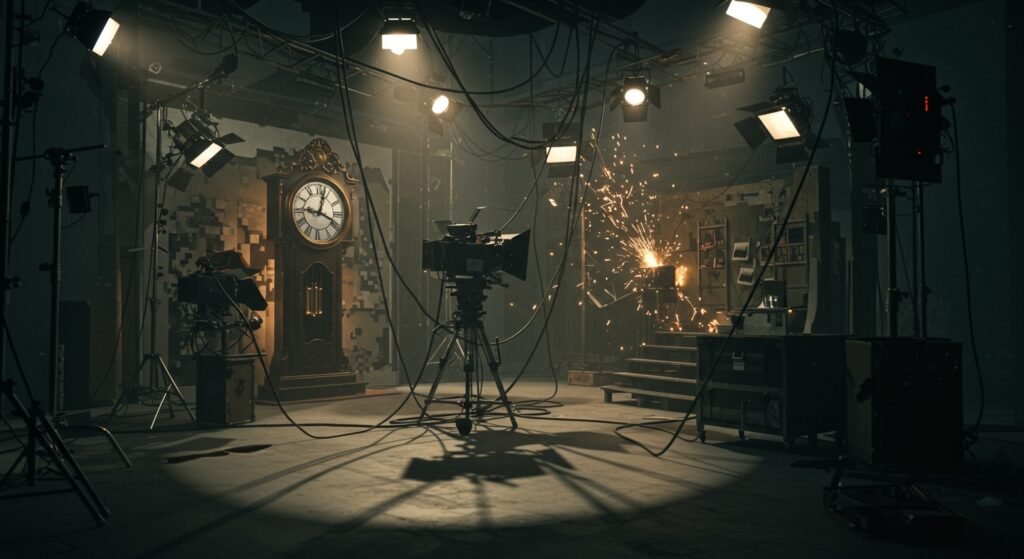
Viewers worldwide are increasingly familiar with a frustrating reality: lengthy waits between seasons of their favorite streaming series. Popular and critically acclaimed shows, including Netflix hits like Stranger Things and the Addams Family spin-off Wednesday, have experienced significant delays, leaving audiences in anticipation for years.
As reports circulating as of February 6, 2025, highlight, this widespread slowdown is not a single issue but the result of a confluence of disruptive factors impacting television production schedules.
The Lingering Shadow of the Pandemic
One of the primary catalysts for the current delays traces back to the COVID-19 pandemic. The global health crisis brought film and television production to a near-total halt in early 2020. This abrupt cessation of activity created an immediate backlog, pushing back shooting schedules and delaying the start of pre-production for many projects that were in development.
While productions eventually resumed with stringent safety protocols, the initial disruption had a ripple effect that continues to impact release calendars years later. The complex logistics of filming under pandemic conditions also often added time and cost to productions, further contributing to delays.
The Impact of Industrial Action
Adding to the complexity, the entertainment industry faced significant labor disputes in spring and summer of 2023. The SAG-AFTRA/WGA strikes—involving screenwriters and actors—effectively shut down most television and film production across the United States for several months. These strikes were crucial for addressing issues such as compensation, residuals in the streaming era, and the use of artificial intelligence.
While necessary from the unions’ perspective, the industrial action caused substantial postponements. Not only did it halt projects that were actively filming or in pre-production, but it also delayed writing rooms for future seasons and promotional activities essential for release dates. This disruption further exacerbated the backlog created by the pandemic, creating a double blow to the industry’s production pipeline.
Escalating Scale and Complexity
Beyond these external shocks, the very nature of modern streaming television contributes to longer production cycles. Many high-profile series have grown significantly in scale and ambition, often rivaling feature films in terms of budget and complexity. This is particularly true concerning visual effects.
Creating the intricate worlds, creatures, and action sequences that define many popular shows, such as the Upside Down in Stranger Things, requires extensive post-production time. Writing sophisticated multi-season arcs also demands longer development periods. These factors inherently contribute to increased writing and production times needed between seasons, regardless of external events.
For instance, the period between the critically acclaimed fourth season of Stranger Things and its eagerly anticipated final season is expected to see a three-year hiatus, a delay attributed to a combination of the show’s massive scale and the aforementioned industry disruptions.
The Cumulative Effect
The current landscape of lengthy waits is therefore not attributable to a single cause but rather the cumulative effect of multiple, overlapping challenges. The initial shock of the COVID-19 pandemic created a foundational delay. The subsequent SAG-AFTRA/WGA strikes in 2023 layered further disruption onto already strained schedules. Concurrently, the increasing scope and complexity of shows, driven by viewer expectations and technological advancements, require more time and resources than traditional television productions.
As the industry navigates this intricate environment, viewers may need to adjust their expectations regarding the frequency of new seasons for their most beloved streaming series. While production pipelines slowly recover and adapt, the multi-year gap between installments for major hits like Stranger Things and Wednesday appears, for now, to be the new reality.
More Stories
Taylor Swift Sparks iHeartRadio 2026 Speculation
Pixar’s ‘Hoppers’ Leaps Into Theaters March 6, 2026: A New Animated Adventure
Cinematrix Game Challenges Players; ‘Yellowjackets’ Welcomes Film Icons Molly Ringwald and June Squibb