











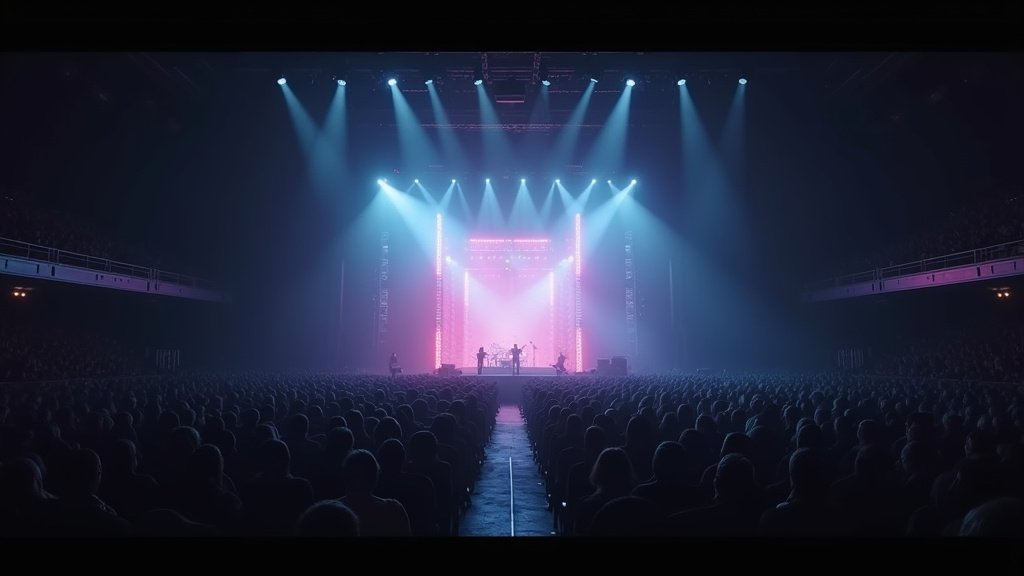
Understanding the latest Music Industry Trends is crucial for navigating today’s dynamic music landscape. While overall revenues show positive music industry growth, many specific sectors face significant challenges and evolving streaming market dynamics. Concerns about music content diversity and style are rising, impacting everything from artist creation to listener engagement. These complex Music Industry Trends shape the future for artists and businesses alike.
Navigating Live Music Challenges
Live music events are currently facing steep drops and numerous live music challenges. More than 170 festivals were canceled or postponed in 2024 alone, highlighting widespread difficulties. Rising costs plague smaller events, and ticket sales per show have dropped, making it incredibly difficult to run large festivals profitably. The post-pandemic desire for live music has waned for some, leading people to spend less on these experiences. Events are struggling with low ticket sales, which directly impacts venues and promoters. These ongoing challenges are a significant part of current Music Industry Trends.
Evolving Streaming Market Dynamics
Streaming remains the industry’s main driver, and global revenue continues its climb. However, growth in the US market is notably slowing, a key observation within current Music Industry Trends. Many factors contribute to this shift. Paid subscriptions may be nearing saturation point, and ad revenue from streaming has actually decreased, which is a surprising development. Millions of tracks garner zero streams, indicating significant difficulties for many artists to find their audience. Artists are increasingly worried about shrinking audiences and face ongoing artist revenue concerns, coupled with low payouts from platforms. Understanding these streaming market dynamics is vital.
Homogenization Versus Innovation in Music Industry Trends
Some emerging Music Industry Trends suggest a homogenization of music, where algorithms often favor mainstream appeal. This tendency can stifle experimental genres and artistic expression. Artists might be tempted to tailor music for viral music hits, focusing on “TikTok-friendly” songs that risk formulaic production over genuine creativity. However, genre fluidity is also a growing counter-trend, with artists blending diverse influences to create new fusion genres. Global music consumption shows increasing diversity, with listeners exploring genres like Latin and K-pop. Still, a core concern about music content diversity persists amidst these evolving Music Industry Trends.
Wider Economic Ripples of Music Industry Trends
These evolving industry shifts affect related sectors, demonstrating the broad impact of current Music Industry Trends. Sales of instrument amplifiers declined, and sound reinforcement products also saw a drop. Electronic music products faced decreases, as did recording products. Printed music sales also declined. This indicates broader economic pressures influencing the entire ecosystem. Investment in music technology may consequently be impacted as businesses reassess strategies based on prevailing Music Industry Trends.
A Complex Future Driven by Evolving Music Industry Trends
The music industry is undeniably in flux, with current Music Industry Trends painting a complex picture. Overall financial growth masks real struggles, particularly evident in the significant headwinds faced by live music events. Streaming markets are constantly evolving, and persistent concerns about music content diversity remain. Adapting to these changes is crucial, and new models are needed for sustainability. The future demands innovation and balance, ensuring it can support diverse artists and events. This analysis highlights an industry in transition, driven by rapid Music Industry Trends.
More Stories
iHeartRadio Music Festival 2026 Ignites Las Vegas
Hyde Park Jazz Fest at 20: A Sonic Milestone for Chicago
Americanafest 2026: Nashville Readies for Global Roots Music Milestone