











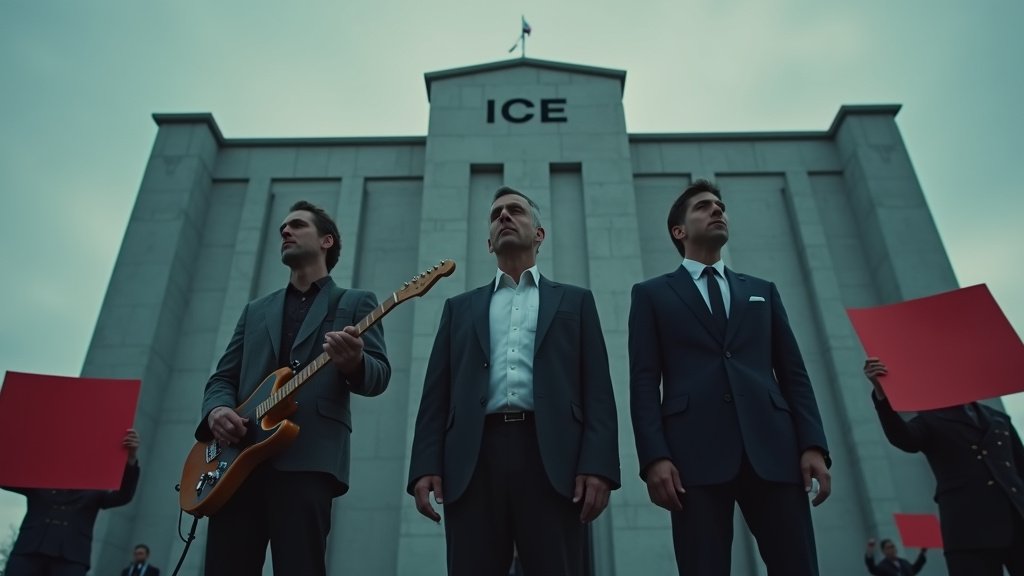
Donald Trump’s immigration crackdown faces a revolt. This backlash spans American culture. It touches business, sports, and entertainment. High-profile figures voice their dissent. They criticize harsh enforcement tactics. This growing outcry challenges the administration. It also affects political standing.
Entertainment’s Outcry
The entertainment world strongly opposes the policies. Bruce Springsteen released a new song. He slammed “Trump’s federal thugs.” The song “The Streets of Minneapolis” references recent killings. Natalie Portman leads a campaign. It calls for an end to family separations. John Legend also spoke out. Mindy Kaling joined the protests. Actors like Elijah Wood and Olivia Rodrigo voiced concerns. Mark Ruffalo called a protester’s death “cold-blooded murder.” Reality star Kim Kardashian questioned ICE tactics. Eva Longoria deemed the raids “un-American.” Singer Sabrina Carpenter slammed a White House video. It used her music to promote harsh policies. Olivia Rodrigo also rejected such use. She called it “racist, hateful propaganda.” Many stars feel deeply affected. They see immigrants as vital to society. This perspective clashes with strict enforcement.
Tech Titans Speak Out
Leaders in the tech industry are also critical. OpenAI CEO Sam Altman stated ICE “is going too far.” He shared unease with employees. Tech investor Vinod Khosla condemned “macho ICE vigilantes.” Podcaster Jason Calacanis warned of consequences. He suggested leadership changes were needed. Apple CEO Tim Cook called for “de-escalation.” He felt “heartbroken by the events.” Google and Facebook previously criticized immigration bans. These tech leaders value global talent. They see tight immigration policies as harmful. Business growth often depends on open borders. This view contrasts sharply with the administration’s stance.
Business Leaders Weigh In
Companies and business leaders express concerns. Martha Stewart voiced her disapproval. She cited risks to citizens. Many Minnesota CEOs issued a statement. They included leaders from Target and Best Buy. They called for de-escalation. This came after protester Alex Pretti’s death. Shareholders also pressure some firms. Tyson Foods and Amazon face demands. Investors want reports on immigration policy impacts. Boston business leaders worried in the past. They cited reliance on foreign workers. High-tech and biotech industries thrive on talent. Innovation often depends on this flow. Some CEOs struggle with political silence. They fear backlash from the administration. However, recent events push them to speak.
Sports Figures React
The sports world engages with the news. Minnesota Timberwolves coach Chris Finch called shootings “unconscionable.” NBA star Steph Curry noted “a lot of change needs to happen.” He closely followed the news. Another NBA player, Guerschon Yabusele, stated he “can’t remain silent.” He called events “murders.” Athletes from Latin America faced visa issues. These policies impacted their careers. International calls for World Cup boycotts emerged. Some questioned playing in a country with strict policies. This highlights global scrutiny. Sports often aim for unity. Immigration crackdowns challenge this ideal.
Public Opinion Shifts
Public opinion shows growing unease. A poll found only 38% approve Trump’s immigration handling. This is down from 49% earlier. Republican approval also slipped. Many voters see ICE as “too aggressive.” This view has increased notably. Lawmakers raise questions too. Senators urged investigations. They questioned resource reallocation. This involved moving agents from corporate crime. They argue this neglects financial oversight. The administration faces political anxiety. Upcoming elections loom large. The crackdown’s impact is a key concern.
Minneapolis Becomes a Flashpoint
Recent events in Minneapolis amplified criticism. The killing of Alex Pretti by federal agents sparked outrage. Renee Good also died during raids. These incidents galvanized protests. They became a symbol of harsh tactics. Clergy visited Minneapolis. They bore witness to the community’s response. They saw resilience and solidarity. These events served as a warning. They were meant to deter activism. However, the community refused to comply.
A Cultural Reckoning
The revolt against immigration policy is widespread. It is no longer confined to activists. It now involves major cultural forces. Entertainment figures release protest songs. Tech leaders voice ethical concerns. Business leaders face shareholder pressure. Athletes speak out against injustice. Public opinion shows a clear shift. This cultural wave presents a challenge. It questions the administration’s agenda. The future of Trump’s policies is uncertain. This extensive news coverage highlights division. It reveals a nation grappling with its identity.
More Stories
U.S. Repatriates 64 Cultural Relics and Fossils to China
Betting on Viral Fame: Novig’s Strategic Use of Sydney Sweeney
DHS Scrubs Optimus Prime Posts After AI Misuse Backlash