








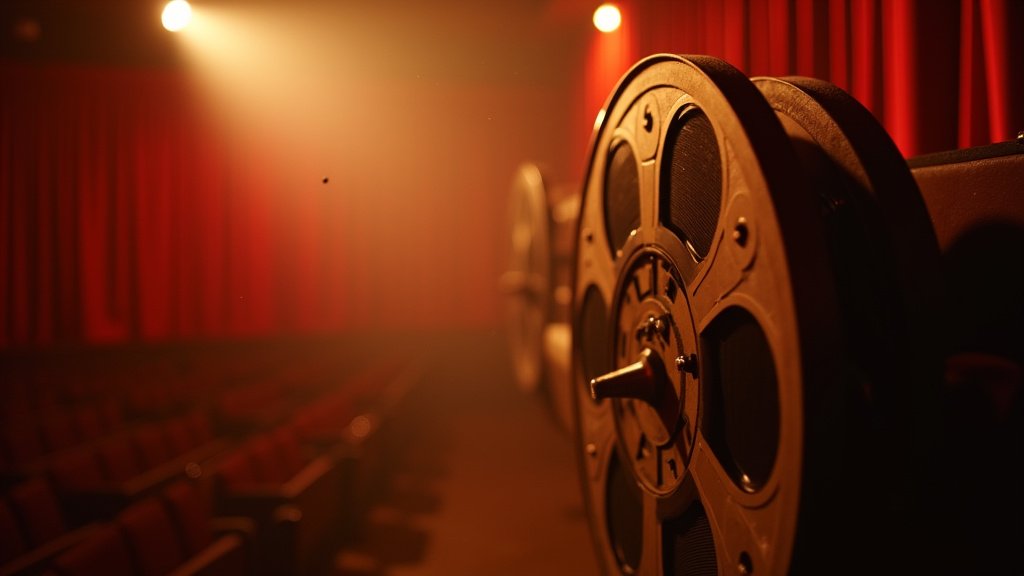
The Des Moines Latino Film Festival makes its highly anticipated return today, April 11, 2026, transforming the Varsity Cinema into a vibrant hub of international storytelling and community connection. Presented by the Latino Center of Iowa, this year’s iteration promises to be more than just a screening schedule; it serves as a critical cultural intersection, bringing prestigious, award-winning cinema from the global festival circuit directly to the heart of the Midwest. With feature films that have already captivated audiences at the Sundance and Cannes Film Festivals, the event marks a significant milestone for Iowa’s arts landscape, cementing the region’s commitment to diverse, representative narratives.
Key Highlights
- Prestige Programming: The festival headlines with American Pachuco: The Legend of Luis Valdez, a Sundance Festival Favorite, and A Poet (Un Poeta), the Cannes Jury Prize winner.
- Cultural Immersion: Beyond the screen, attendees can enjoy live Mexican folk dance performances and authentic street food, creating a fully immersive cultural experience.
- Community-Centric Focus: The event features a curated, free-to-attend shorts program designed to explore intimate themes of identity, resilience, and the immigrant experience.
- Geographic Significance: Held at the historic Varsity Cinema, the festival reinforces Des Moines as an emerging destination for serious independent and international film.
Elevating the Midwestern Narrative Through Global Cinema
The return of the Des Moines Latino Film Festival is a clear signal that the appetite for high-caliber, diverse storytelling in Iowa is stronger than ever. By securing rights to show films that have already garnered significant critical acclaim on the global stage, the organizers have bypassed the typical barrier to entry for international cinema, bringing world-class narratives to the local audience.
The Curatorial Vision: Bridging Sundance and Des Moines
Central to this year’s success is the careful curation of the feature film program. The selection of American Pachuco: The Legend of Luis Valdez—narrated by Edward James Olmos—bridges the gap between American Chicano history and modern documentary craft. The film does not merely recount facts; it serves as a historical document of the struggle for representation on stage and screen, a theme that resonates deeply with the festival’s own mission.
Pairing this with A Poet (Un Poeta), directed by Colombian filmmaker Simón Mesa Soto, offers a striking contrast. While American Pachuco grounds the audience in the American experience, A Poet takes viewers on a journey to the heart of Medellín, exploring the universal human search for purpose and redemption through a lens that has already been validated by the Cannes Film Festival jury. This juxtaposition is intentional, designed to broaden the horizons of the Des Moines film-going public and foster empathy through the shared medium of cinema.
Creating a Third Space for Cultural Exchange
The festival functions as a ‘third space’—a physical, neutral ground where disparate parts of the community can convene, share food, and discuss complex cultural topics without the pressure of typical social or political divides. The inclusion of Mexican folk dance groups and local food trucks serving Mexico City-style street tacos serves a functional purpose: it lowers the barrier to entry for those who might feel intimidated by a ‘film festival’ label, inviting them instead into a community celebration.
This atmospheric approach is crucial. When cultural appreciation is accompanied by sensory elements—the smell of street food, the sound of traditional music, the sight of a vibrant dance—the intellectual impact of the films is significantly amplified. The festival successfully moves away from the ‘ivory tower’ model of independent cinema and towards a model of communal engagement that is sustainable and deeply rooted in the local population.
The Economic and Social Ripple Effect
While the primary goal of the Latino Center of Iowa is cultural preservation and education, the economic and social implications for Des Moines are undeniable. Film festivals act as magnets for cultural tourism, drawing visitors from surrounding counties and cities who are looking for unique, curated experiences.
Moreover, the mentorship opportunities inherent in the ‘shorts’ program cannot be overstated. By showcasing six short films that deal with health, immigration, and family resilience, the festival provides a platform for both established and emerging filmmakers. For young Latino creators in Iowa, seeing their own stories reflected on a screen in a professional, respected venue like the Varsity Cinema is a powerful catalyst for future artistic endeavors. It signals that their narratives are not just valid, but essential to the broader American dialogue.
Looking Toward the Future
As the festival concludes its 2026 iteration, the organizers are already looking ahead to how this growth can be sustained. The current success proves that audiences are hungry for stories that challenge them, comfort them, and teach them something new about their neighbors. The challenge for the future will be scaling this model without losing the intimacy that makes it so effective today. If the turnout for April 11 is any indication, the Des Moines Latino Film Festival has firmly established itself as a cornerstone of the Iowa cultural calendar, with a trajectory that suggests it will only grow in importance and influence in the years to come.
FAQ: People Also Ask
Where is the Des Moines Latino Film Festival held?
The festival is hosted at the Varsity Cinema, located at 1207 25th St., Des Moines, IA 50311. It is a historic venue that serves as a central hub for the city’s film culture.
Are the films free to watch?
The shorts program is free to the public. The main feature presentations may have specific ticketing requirements; attendees are encouraged to check with the Latino Center of Iowa or the Varsity Cinema box office for current admission details for the feature films.
What themes are explored in this year’s selection?
The 2026 program focuses heavily on themes of identity, the immigrant experience, the history of Chicano representation in arts, resilience within families, and the universal search for purpose.
Can I meet the filmmakers or community leaders?
Yes, the event is designed for dialogue. Throughout the afternoon, there are opportunities to connect with community leaders and local organizers who are facilitating discussions on cultural exchange and inclusion.
More Stories
Lowriding’s Rise: SF Celebrates Cruising Culture
U.S. Repatriates 64 Cultural Relics and Fossils to China
Betting on Viral Fame: Novig’s Strategic Use of Sydney Sweeney