











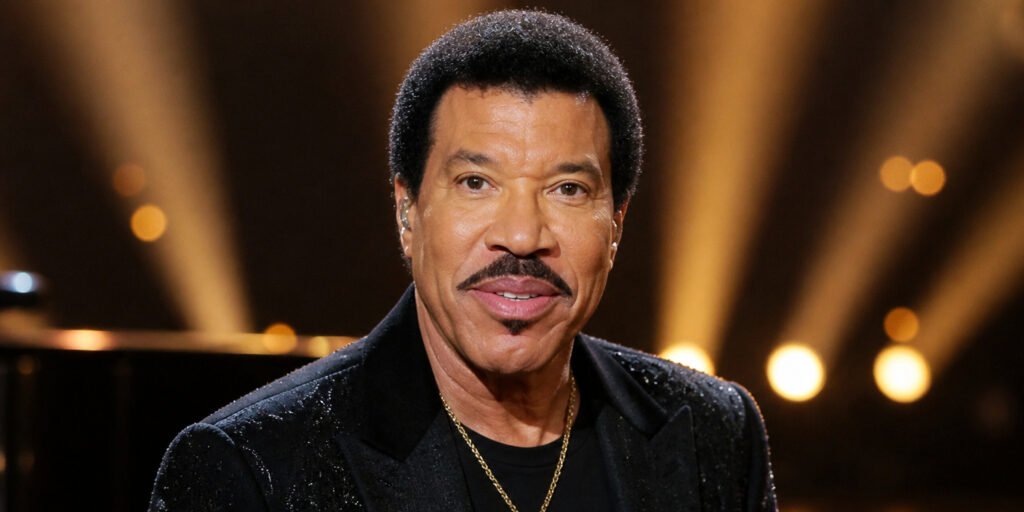
The music industry faces a volatile September 4, 2026, as a convergence of legal, cultural, and logistical challenges redraws the map for artists and stakeholders. Today’s news cycle is dominated by a major class-action lawsuit against AI music generator Suno, the triumphant—and long-awaited—Diamond certification of System of a Down’s “Chop Suey!,” and the industry-wide scramble to manage touring infrastructure as weather events disrupt major dates, including AC/DC’s Toronto engagement. Meanwhile, the community waits anxiously for updates regarding a medical emergency involving legend Lionel Richie, serving as a sobering reminder of the physical toll of legacy touring.
Key Highlights
- AI Copyright Crisis: A new, expansive class-action lawsuit has been filed against Suno AI, challenging the legal boundaries of generative music and dataset training.
- System of a Down’s Historic Peak: “Chop Suey!” has officially reached Diamond status (10 million equivalent units), marking a massive milestone for the band two decades after its release.
- AC/DC Tour Disrupted: Following severe storm damage in Toronto, organizers are scrambling to reschedule key tour dates, highlighting the increasing impact of climate volatility on stadium logistics.
- Lionel Richie Health Scare: The music world is monitoring the situation closely following a reported medical emergency involving Lionel Richie, sparking discussions on the sustainability of heritage touring schedules.
The Triple Threat: Legal, Cultural, and Operational Turbulence
Today marks a “perfect storm” in the music industry, where technological disruption, classic artistic achievement, and the raw realities of logistics and health collide. The events of September 4, 2026, are not isolated incidents; they represent the friction points of a modern industry trying to balance the future of AI with the preservation of classic rock royalty and the physical realities of global touring.
The Suno AI Legal Reckoning
The most significant industry-wide development today is the filing of a major class-action lawsuit against Suno AI. This legal challenge represents a watershed moment for generative music platforms. Plaintiffs are alleging that the platform’s training data was scraped from copyrighted music without authorization, a claim that echoes the broader tension between AI developers and the creative community. The central legal question is whether generative models transform existing data into something genuinely “new”—and thus protected under fair use—or if they function as sophisticated instruments of copyright infringement. This case, likely to drag on for years, will set the precedent for royalty structures and licensing models in the AI era. If the courts rule in favor of the plaintiffs, the business model of current AI music generators could face an existential regulatory hurdle, forcing a pivot toward licensed, transparent datasets.
System of a Down: A Diamond Legacy
Amidst the legal and operational anxiety, there is a moment of pure, undisputed musical triumph. System of a Down’s 2001 breakout anthem, “Chop Suey!,” has officially been certified Diamond by the RIAA, reaching the 10-million equivalent unit threshold. It is a rare feat for a metal track to achieve such commercial ubiquity, especially in the era when the song was released. This milestone highlights the song’s evergreen appeal; it has transcended its nu-metal roots to become a cornerstone of global rock culture. Its journey to Diamond status, largely fueled by streaming virality and its persistent presence in cultural zeitgeist, proves that authentic, genre-bending music remains the industry’s most resilient asset, even in an algorithm-dominated market.
The Climate-Touring Connection
Logistics and infrastructure have moved to the forefront of tour management in 2026. The recent storm damage in Toronto, which has directly impacted AC/DC’s tour schedule, is a poignant case study. Climate volatility is no longer a peripheral concern for concert promoters; it is a direct threat to the bottom line. Modern stadium tours are massive, fragile organisms. When infrastructure is compromised by severe weather—a phenomenon increasing in frequency—the ripple effects are massive. Equipment transport, venue safety inspections, and contractual obligations all hang in the balance. For an act the size of AC/DC, a cancelled date isn’t just about lost tickets; it’s about the massive, sunken costs of a full-scale touring production that cannot simply sit idle.
The High Price of Heritage
Finally, the music industry is holding its breath as news emerges of a medical emergency involving Lionel Richie. Richie, an icon whose career has spanned decades of immense contribution to R&B and Pop, serves as a pillar of the live touring industry. His situation draws attention to a growing conversation: the physical, often hidden, exhaustion of legacy touring. Artists of Richie’s stature carry not just the weight of their legacy, but the physical demands of high-production, high-intensity concert runs. His emergency underscores the need for better health management protocols for touring artists, shifting the conversation from “the show must go on” to “the artist’s well-being comes first.”
FAQ: People Also Ask
1. Why is the Suno AI lawsuit considered a landmark case?
It is widely viewed as a test case for copyright law in the generative era. It challenges the “black box” training methods used by AI firms and seeks to define whether AI companies owe royalties to the human creators whose work trained the models.
2. How did ‘Chop Suey!’ reach Diamond status after so many years?
While the song was a hit upon release, its move to Diamond status is attributed to the long-tail effect of streaming platforms. Songs that have enduring cultural relevance continue to rack up units (streams + sales) for decades, eventually crossing the 10-million threshold.
3. What does AC/DC’s scheduling issue mean for fans?
It typically means a period of uncertainty while promoters assess structural damage to venue infrastructure. Fans should monitor official band communication channels for rescheduled dates rather than relying on unofficial aggregators.
4. Are these events connected?
While distinct, they reflect the current industry tension: AI threatens the traditional value of creative work (Suno), while the physical reality of the industry (Touring/Health) faces increasing pressure from environmental and personal factors. All four stories highlight a shift away from stability toward a more chaotic, high-stakes operational environment.
More Stories
Snoop Dogg to Host 2026 MTV VMAs; Nirvana Set for Vanguard Honor
6LACK Confronts Burnout in Vulnerable New Freestyle
Musical Convergence: The Massive Sept 11 Release Drop