


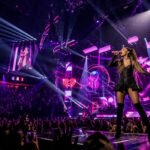








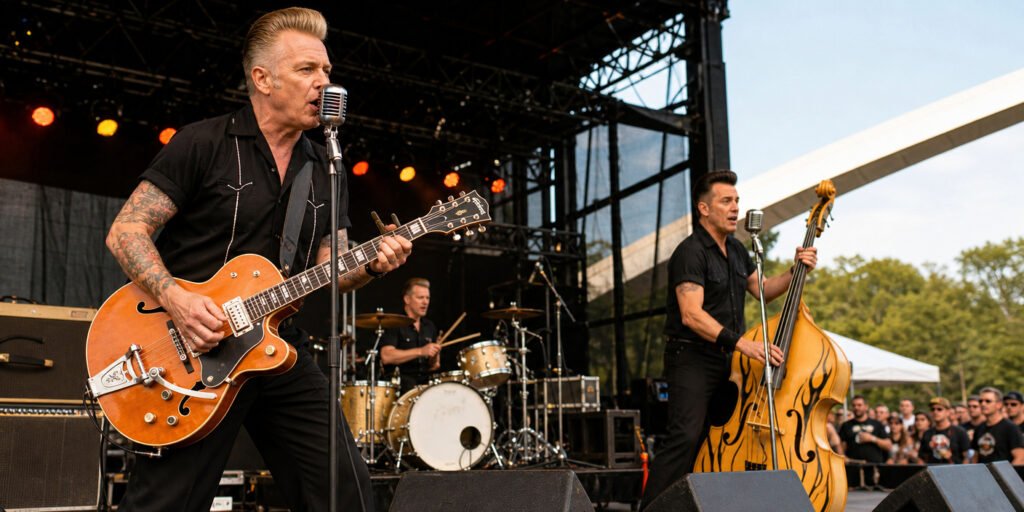
Today, August 29, 2026, the air in Catonsville, Maryland, is vibrating with the sound of local culture and national talent as the Music City Maryland Arts Festival (MCMA) officially kicks off at CAA Park. This year’s edition marks a significant milestone for the festival, bringing together an eclectic mix of musical performances, artisanal showcases, and culinary experiences that define the regional identity of the Baltimore area. As thousands descend upon the park, the event serves as a testament to the continued growth of Maryland’s independent arts scene and the enduring power of community-driven events.
Key Highlights
- Headlining Power: Psychobilly pioneers Reverend Horton Heat top the bill, bringing decades of high-octane performance experience to the Catonsville stage.
- Local Resonance: Homegrown favorites including Mallow Hill and West 22nd provide a distinct Maryland flavor, showcasing the depth of the regional music ecosystem.
- Venue Impact: The festival utilizes the sprawling grounds of CAA Park, transforming the public space into a curated exhibition of local visual arts, craft vendors, and regional gastronomy.
- Community Economic Engine: The event provides a massive, one-day platform for local small businesses, with dozens of food and artisan vendors reporting high volume demand throughout the festivities.
Amplifying Catonsville: Inside the 2026 MCMA Experience
The Music City Maryland Arts Festival has long served as an anchor for the late-summer cultural calendar in Catonsville. For 2026, the organizers have leaned heavily into a programming strategy that bridges the gap between national prestige and local authenticity. By pairing a global act like Reverend Horton Heat with the burgeoning talent of the Baltimore scene, the MCMA is successfully creating a hybrid experience that appeals to both purist music fans and casual festival-goers alike.
The Lineup: A Tale of Two Genres
At the core of the 2026 experience is the musical curation. Reverend Horton Heat, known for their relentless touring schedule and genre-defining psychobilly sound, provides a high-energy centerpiece that is rarely seen in such an intimate park setting. Their presence offers a masterclass in stage performance that is expected to draw fans from across the Mid-Atlantic region.
However, the festival is not merely a vehicle for touring acts. Local entities such as Mallow Hill—a band that has steadily built a reputation for their bluesy, soulful, and infectious rock sound within the Baltimore-Washington corridor—and West 22nd are essential to the event’s identity. This deliberate booking strategy forces a unique dialogue between the headliners and the openers, effectively spotlighting the local artistic caliber to an audience that might otherwise be focused solely on the marquee names.
Economic Engines: Arts, Food, and Community
While the music draws the crowds, the economic engine of the MCMA lies in its sprawling vendor village. The festival layout at CAA Park has been meticulously optimized this year to encourage foot traffic between the main stage and the vendor rows. Local artists are reporting a significant uptick in demand for handmade goods, while the food court area features a rotating selection of Maryland-specific culinary staples. This ecosystem is vital for the local economy; for many of these small business owners, the MCMA represents one of the highest-revenue days of the fiscal year.
Beyond the commerce, the festival functions as a critical nexus for the Catonsville Arts District. It is an opportunity to unify the disparate threads of the local community—musicians, painters, chefs, and families—under a singular, day-long celebration. The logistics behind transforming CAA Park into an event venue of this magnitude are significant, requiring months of coordination with local municipal entities to ensure safety, sanitation, and traffic management.
The Evolution of CAA Park
Historically, CAA Park has served as a recreational hub, but during the MCMA, it undergoes a metamorphosis. The challenge for 2026 was creating a soundscape and layout that could contain high-decibel psychobilly while maintaining an inviting atmosphere for families and art enthusiasts. The resulting layout utilizes the park’s natural terrain to dampen sound bleed, ensuring that the visual arts section remains a quiet, contemplative space while the concert area maintains a high-energy, immersive vibe. This level of environmental design demonstrates the maturation of the MCMA’s production team as they continue to refine the user experience year over year.
FAQ: People Also Ask
Q: What are the hours of the Music City Maryland Arts Festival?
A: The festival is a single-day event taking place today, August 29, 2026. Gates typically open in the mid-morning, with musical acts performing throughout the afternoon and into the evening.
Q: Is parking available at CAA Park for the MCMA?
A: Attendees are encouraged to utilize designated off-site parking areas and shuttle services, as on-site parking at CAA Park is extremely limited due to the footprint of the event stages and vendor stalls.
Q: Are there age restrictions for the festival?
A: The MCMA is a family-friendly community event. While there are designated areas for alcohol consumption, the main concert and vendor sections are open to all ages, though some areas may become crowded as the headliners take the stage.
Q: How does the MCMA select its musical lineup each year?
A: The selection process involves a collaboration between local promoters and regional talent agencies. The goal is to balance national “draw” bands like Reverend Horton Heat with established local acts like Mallow Hill and West 22nd to ensure a diverse and commercially viable event.
More Stories
iHeartRadio Music Festival 2026 Ignites Las Vegas
Hyde Park Jazz Fest at 20: A Sonic Milestone for Chicago
Americanafest 2026: Nashville Readies for Global Roots Music Milestone