










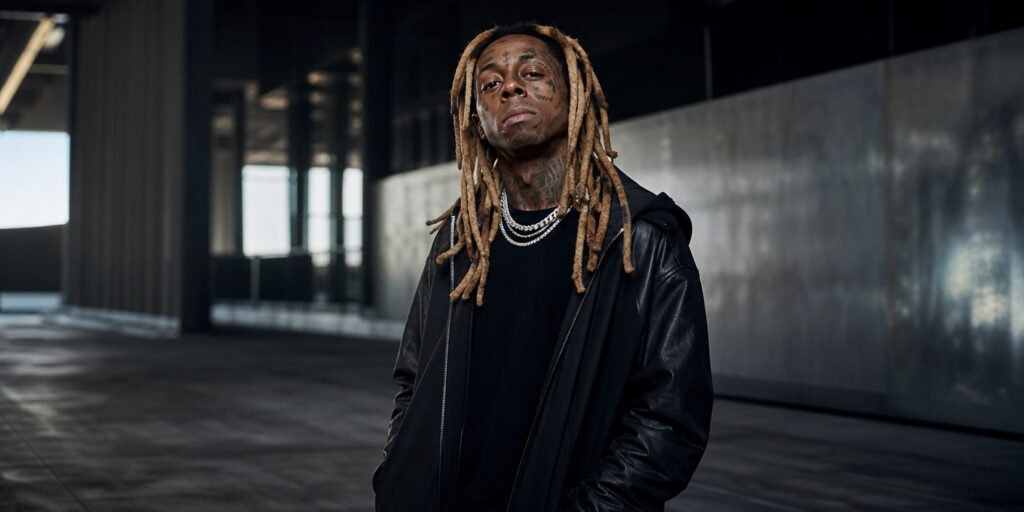
The Hollywood Chamber of Commerce has officially unveiled its Class of 2027 for the Hollywood Walk of Fame, with hip-hop titan Lil Wayne (born Dwayne Michael Carter Jr.) standing out as a central honoree in the Recording category. This recognition cements his status not only as a commercial powerhouse but as one of the most influential lyricists and architects of modern rap music. For a career that spans over three decades—beginning with his roots in New Orleans’ legendary Cash Money Records—this induction represents a symbolic “crowning” by the entertainment establishment, signaling the permanent integration of hip-hop culture into the traditional fabric of Hollywood history.
The Mechanics of the Walk of Fame Selection
To understand the magnitude of this achievement, one must look past the glamour of the Hollywood Boulevard sidewalks and understand the rigorous vetting process conducted by the Hollywood Chamber of Commerce. Inclusion in the Walk of Fame is not a birthright of fame; it is an application-based process that requires a formal nomination, a lengthy approval vetting, and a substantial sponsorship fee—which covers the creation and maintenance of the star. The selection committee evaluates candidates based on professional achievement, longevity in the category, and a history of charitable contributions.
For Lil Wayne, the selection reflects a career that has defied the typical “shelf life” of rap artists. Since his early days as a member of the Hot Boys, Wayne has consistently reinvented his sound, his business model, and his lyrical approach. The committee’s decision to include him in the 2027 class acknowledges that his contributions extend beyond record sales; he has fundamentally altered the trajectory of the hip-hop industry, effectively bridging the gap between Southern rap and mainstream global pop culture.
The Architect of Modern Rap: The Young Money Era
While his solo work is historic, Lil Wayne’s influence is perhaps best measured by the infrastructure he built. His founding of Young Money Entertainment is widely considered one of the most successful strategic ventures in music history. Under Wayne’s mentorship and A&R stewardship, he brought global superstars like Drake and Nicki Minaj to the forefront, essentially creating a “dynasty” ecosystem that dominated the charts for over a decade.
This executive foresight allowed Wayne to leverage his own celebrity to amplify new voices, creating a ripple effect that reshaped the sound of radio for an entire generation. When historians look back at the 2000s and 2010s, the “Young Money” era will serve as a primary case study in artist-led industry expansion. By securing a star on the Walk of Fame, Wayne is being recognized for this dual role: the singular virtuoso rapper and the industry titan who reshaped the business of hip-hop.
The “Mixtape Weezy” Phenomenon and Technical Mastery
To truly grasp why Lil Wayne earns a place alongside silver-screen legends, one must analyze the “Mixtape Weezy” era. In the mid-to-late 2000s, Wayne arguably revolutionized the distribution model of music. Long before streaming services dominated, he mastered the art of the mixtape, releasing a relentless torrent of high-quality, free music—most notably the Dedication and Da Drought series. This strategy proved that an artist could maintain relevance and critical acclaim without relying solely on traditional label release cycles.
Lyrically, Wayne’s use of metaphor, punchline-driven structure, and off-beat flows set a new standard for technical proficiency. He pushed the boundaries of what a “hit” song could be, frequently eschewing traditional hooks for complex, stream-of-consciousness verses that challenged his audience. This technical mastery earned him the respect of his peers, a critical factor for the Hollywood Chamber of Commerce when vetting nominees in the Recording category. He is not merely an entertainer; he is a technician whose style is still being mimicked by today’s top-charting artists.
New Orleans Roots and Cultural Resilience
Finally, the induction serves as a tribute to his origins in New Orleans, Louisiana. Wayne’s career has always been deeply intertwined with the city’s identity. From his early rise within the local bounce scene to his advocacy and philanthropy in the wake of Hurricane Katrina, Wayne has maintained an unyielding tether to his hometown. This Walk of Fame star serves as a monument to that journey: a testament to the resilience of a New Orleans native who transcended local acclaim to achieve international iconography. As he prepares for the 2027 induction ceremony, the focus will undoubtedly be on the immense breadth of his contributions—from the raw, unfiltered rap of his youth to the polished, legacy-defining stature he holds today.
More Stories
Sweet Magnolias Creator Bids Emotional Farewell After Cancellation
Presley Gerber, Model and Son of Cindy Crawford, Dies at 27
Lady Gaga Welcomes Daughter Rose Bean Polansky