











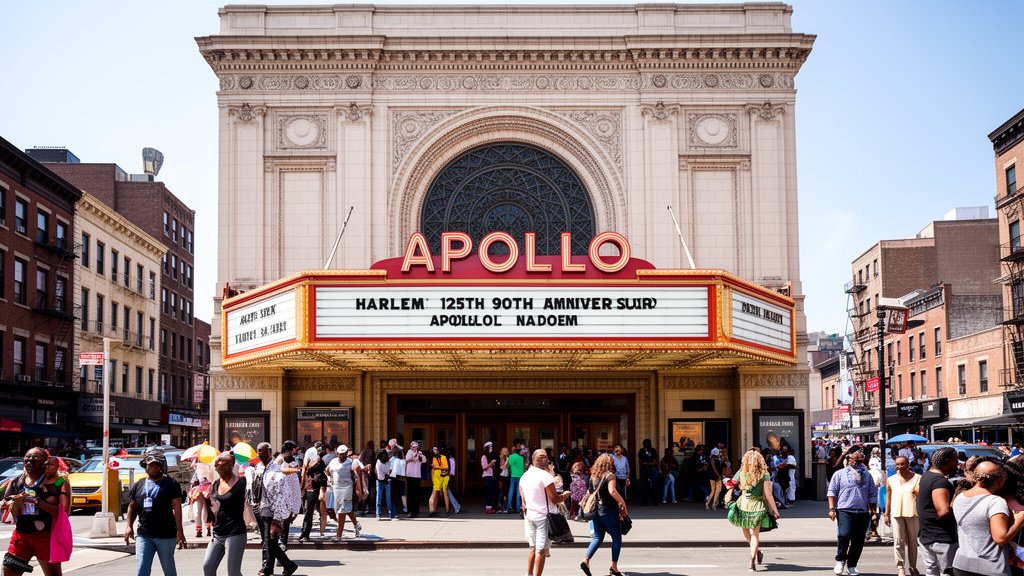
The intersection of 125th Street in Harlem is set to become the epicenter of global artistic recognition this weekend, as the Apollo Theater marks 90 years of unparalleled influence. Beginning August 15, 2026, and continuing through August 16, 2026, the theater is set to be the centerpiece of the annual Harlem Week festivities. This milestone is not merely a celebration of a building, but a tribute to the ‘Soul of American Culture’ that has nurtured generations of icons, from jazz legends to modern innovators.
The Nine-Decade Odyssey
Since its inception in 1934, the Apollo Theater has functioned as more than just a performance venue; it has been the primary barometer for African American music, dance, and comedy. While it originally opened as a burlesque house, it quickly pivoted to become a launching pad for Black artists who were frequently excluded from mainstream Broadway stages of the era. The theater’s history is a mirror of the American experience, reflecting the triumphs, struggles, and evolution of the nation’s cultural identity.
Over the past 90 years, the Apollo has been the home of Amateur Night, a proving ground that famously discovered legends such as Ella Fitzgerald, Sarah Vaughan, and James Brown. The history of the Apollo is synonymous with the history of the Harlem Renaissance and its enduring aftermath. By providing a stage for those whom the traditional industry ignored, the Apollo built a foundation of artistic integrity that remains unmatched. The celebration this weekend is a testament to that legacy, acknowledging that for nine decades, the theater has served as a bridge between the artistic past and the bold future of Black performance art.
The 2026 Harlem Week Spectacular
This year’s Harlem Week, already a massive cultural undertaking in New York City, reaches its crescendo with the Apollo’s 90th-anniversary activations. The schedule for August 15-16 is packed with events that highlight both the theater’s architectural beauty and its role as a living monument. Organizers have curated a series of performances, panel discussions, and archival showcases that allow the public to engage directly with the venue’s history.
Key event highlights include the ’90 Years of Soul’ exhibition, which features original stage costumes and rare historical recordings, alongside live outdoor performances on 125th Street. These events are designed to underscore the theater’s resilience. Despite changing trends in music and shifts in the economic landscape of Upper Manhattan, the Apollo has remained a constant. The 2026 celebrations emphasize the theater’s ongoing commitment to community engagement, with local artists performing alongside established stars, continuing the tradition of the Apollo as a place where anyone with talent can capture the spotlight.
Cultural Preservation and Economic Impact
Beyond the glitz and glamour of the stage, the Apollo’s 90th anniversary highlights the institution’s role as an economic engine for Harlem. Cultural tourism surrounding the theater contributes significantly to the local economy, with small businesses along the 125th Street corridor reporting heightened activity during the Harlem Week festivities. The theater’s management has leveraged its anniversary to launch new educational initiatives, including funding for local arts programs and youth performance mentorships, ensuring that the next 90 years are as fruitful as the first.
Economists have noted that the Apollo’s brand equity is one of the most valuable in the performing arts sector. By maintaining its historic aesthetic while modernizing its production capabilities, the Apollo has managed to attract a diverse, intergenerational audience. This duality—remaining deeply rooted in its local Harlem heritage while maintaining an international reputation—is the secret to its longevity. The anniversary serves not just as a retrospective, but as a strategic pivot point for the theater to integrate digital performance platforms and expanded global outreach.
Looking Toward the Centennial
As the weekend festivities draw to a close, the focus will inevitably shift toward the road to the centennial in 2034. The Apollo’s leadership has indicated that the 90th anniversary marks the start of a decade-long expansion in both programming and physical infrastructure. By emphasizing technology-driven preservation—digitizing the vast archives of performances that have occurred on their stage—the Apollo is ensuring that its cultural footprint will remain accessible to future generations.
This milestone acts as a clarifier for the institution’s mission: to preserve the African American artistic tradition while providing a platform for the next century of creative expression. The Apollo remains the ‘Soul of American Culture’ not because it stands still, but because it is constantly evolving, proving that the magic of 125th Street is as vital today as it was in 1934.
FAQ: People Also Ask
Q: What is the significance of the Apollo Theater’s 90th anniversary?
A: The 90th anniversary honors the theater’s historic role since 1934 as a vital cultural institution that provided a platform for Black artists during segregation and evolved into a global symbol of American music, comedy, and dance.
Q: How does the Apollo Theater fit into Harlem Week?
A: The Apollo Theater is the heart of Harlem Week, an annual city-wide celebration. For the 2026 milestone, the theater is hosting specific performances and educational exhibits throughout the weekend of August 15-16 to draw thousands of attendees to the 125th Street corridor.
Q: Can the public visit the Apollo during this 90th-anniversary weekend?
A: Yes, the Apollo is hosting public events, outdoor performances, and exhibitions on August 15 and 16, 2026. Visitors are encouraged to check the official Harlem Week and Apollo Theater schedules for specific ticketing and accessibility information.
Q: What makes the Apollo Theater an ‘Entity’ in cultural history?
A: The Apollo is recognized for its massive impact on American music genres, including Jazz, Swing, R&B, and Hip-Hop. It is a National Historic Landmark, serving as a critical ‘entity’ in the preservation and promotion of African American cultural contributions.
More Stories
U.S. Repatriates 64 Cultural Relics and Fossils to China
Betting on Viral Fame: Novig’s Strategic Use of Sydney Sweeney
DHS Scrubs Optimus Prime Posts After AI Misuse Backlash