








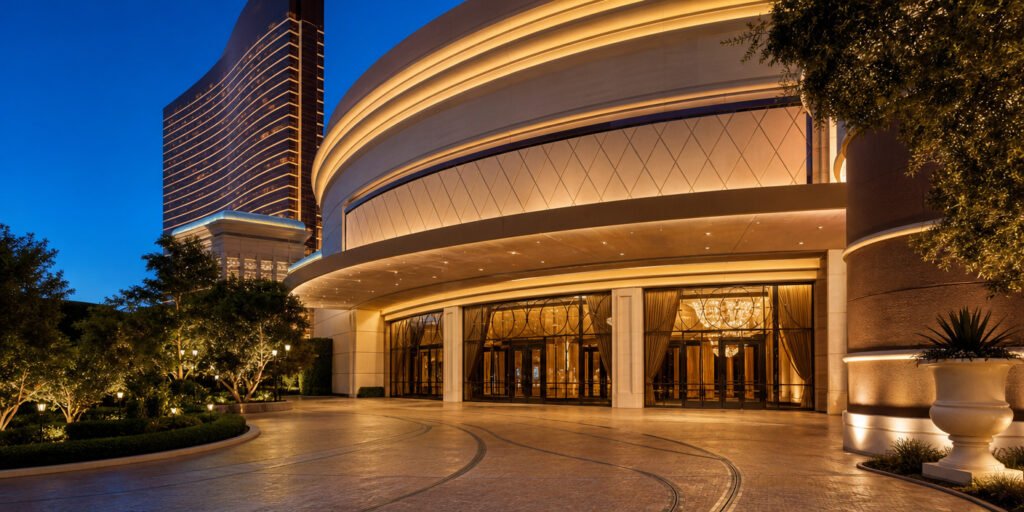
The Las Vegas Strip is experiencing a period of intense musical transition, marked by health-related pivots, venue-specific challenges, and a rotating guard of legendary talent. This week, the most significant shift comes from the Wynn’s Encore Theater, where music icon Lionel Richie has been forced to reschedule upcoming dates, bringing the realities of touring health and the demands of residency life back into focus. Simultaneously, the broader Las Vegas ecosystem continues to digest the impact of the Sphere, while legacy acts like Chicago secure their footing in a competitive market.
The Richie Mandate: Medical Reality and Encore Theater Impact
Lionel Richie’s decision to postpone his scheduled Encore Theater performances at the Wynn on October 14, 16, and 17, 2024, highlights the rigorous physical demands placed on even the most established artists. The official announcement cites a medical procedure to address atrial fibrillation—a common heart rhythm condition. For a performer of Richie’s caliber, whose residency demands a high degree of energy and stage mobility, health must take precedence over the performance calendar. These dates were part of a highly successful long-term engagement that has seen Richie maintain a consistent presence in Las Vegas. The announcement underscores the volatility of live entertainment schedules, where health crises can halt multimillion-dollar operations overnight. Fans are currently advised to hold their tickets, as the Wynn and Richie’s management work to determine the feasibility of rescheduled dates in the coming months.
The Sphere Dilemma: Pearl Jam’s Perspective and the ‘Sphere Fear’
While residencies at traditional theaters remain the gold standard for many, the arrival of the Sphere has introduced a new paradigm of ‘Sphere Fear’—a term emerging within industry circles regarding the immense technical and logistical hurdles associated with the venue. Pearl Jam, known for their analog-first approach to rock music, has been the subject of discussions regarding their potential utilization of the Sphere. The fear is not necessarily a reflection of the venue’s capabilities, but rather the overwhelming visual and sensory expectations that come with it. Performing at the Sphere requires an unprecedented level of integration between live audio and massive-scale visual content. For legacy bands, the transition from ‘raw’ stadium rock to ‘immersive’ high-tech concert production presents a fundamental artistic dilemma. The industry is watching closely to see if Pearl Jam will adapt their sound to the venue’s architecture or continue to prioritize traditional stage setups that emphasize raw instrumentalism over visual saturation.
Chicago’s Venetian Residency: A Legacy Act in a New Era
Contrasting the technical anxiety of the Sphere, the band Chicago has embraced the traditional residency model, officially securing a new engagement at The Venetian. This move signals a strategic shift for the legendary rock ensemble, which has long relied on extensive North American touring. By anchoring themselves at The Venetian, Chicago is tapping into a demographic of Vegas visitors who prioritize classic, high-fidelity musicianship over spectacle-heavy productions. This residency provides a stable home base that mitigates the wear and tear of cross-country travel, allowing the band to tailor their setlists and production values specifically to the acoustics of The Venetian’s theater. It is a calculated move that ensures the band remains relevant in an evolving market that increasingly values the reliability and comfort of the residency format.
En Vogue and the Evolution of the Strip’s R&B Scene
Amidst these high-profile venue shifts, the R&B landscape is also undergoing adjustments. En Vogue, the multi-platinum vocal group, has provided updates regarding their own residency operations. The group’s continued presence in Las Vegas demonstrates the sustained demand for R&B vocal powerhouses in a market that is often dominated by rock and pop residencies. As the Strip continues to diversify, the management of acts like En Vogue requires constant navigation of schedule conflicts and the competitive pricing of venue space. Their ability to adapt their residency schedule in tandem with other venue changes speaks to the increasingly collaborative—and occasionally cutthroat—nature of Las Vegas show bookings.
Economic Analysis: The Stability of the Residency Model
From a business perspective, the residency model has proven to be the bedrock of the Las Vegas entertainment economy. Unlike touring, which incurs high costs for logistics, transport, and crew management, a residency consolidates these expenditures. For the Wynn, The Venetian, and other major resorts, these residencies act as a critical ‘anchor’ that drives room bookings, food and beverage revenue, and casino foot traffic. However, as demonstrated by the Lionel Richie postponement, this model is highly sensitive to the health of the primary star. The financial impact of a cancelled or postponed show is not limited to the box office; it cascades through the entire hospitality ecosystem, affecting everything from restaurant reservations to late-night gaming revenue. Consequently, we are seeing a trend toward ‘residency diversification,’ where venues are hedging their bets by hosting a wider variety of genres—from legacy rock (Chicago) to soul-pop (En Vogue)—to ensure that one cancellation does not result in a market-wide revenue vacuum.
The Historical Context: From Sinatra to Richie
To understand the current state of Vegas residencies, one must look back to the foundational era of Frank Sinatra and the Rat Pack. The residency model was built on the idea of ‘the artist as a local attraction,’ a concept that eroded in the late 20th century as arena tours became more profitable. We are now in the ‘Second Golden Age’ of the residency, where artists are choosing to return to the Vegas stage not because they have to, but because it offers a platform for artistic control that touring cannot match. Lionel Richie’s residency is a continuation of this legacy—a bridge between the classic lounge-singer tradition and the modern high-production residency. The resilience of this model, even in the face of individual health issues, suggests that Las Vegas will remain the ultimate destination for performers looking to define their later-career legacy.
Future Outlook: What Lies Ahead?
Looking toward 2025, the Las Vegas residency market is poised for further evolution. We expect to see more artists exploring ‘micro-residencies’—short, 5-to-10 show stints—rather than the grueling 30-plus show schedules of the past. This approach allows for greater flexibility, reduces the risk of long-term cancellations, and keeps the content fresh. As acts like Pearl Jam weigh the risks of the Sphere against the proven successes of traditional theaters, and as legacy bands like Chicago continue to occupy the mid-sized venues, the Strip will remain the most dynamic musical marketplace in the world. For fans, this means a more diverse, if sometimes unpredictable, concert calendar.
More Stories
New Music Friday: Legacy Rocks October 23, 2026
Mötley Crüe Ignites Las Vegas: 2027 ‘Carnival of Sins’ Residency
Shakira’s Historic Madrid Residency: A $200M Economic Catalyst