










The Fort Worth Cultural District is shedding its reputation as merely a weekend entertainment destination, rapidly evolving into a high-density, live-work-play powerhouse. Driven by a surge in institutional-grade office towers and luxury residential projects, the area is experiencing a fundamental economic recalibration that is drawing corporate HQs and affluent demographics closer to the city’s world-class museum corridor. This is not just a real estate play; it is a long-term urban strategy designed to capitalize on the region’s robust growth and the unmatched desirability of walking-distance access to institutions like the Kimbell Art Museum and The Modern.
Key Highlights
- The Anchor Effect: The completion of The Crescent, a $275 million mixed-use project, has fundamentally altered the district’s commercial real estate profile, introducing 175,000 square feet of Class A office space.
- Residential Density: Over 1,500 new luxury residential units have been brought online or are currently under construction within a half-mile radius of the Museum District, aiming to capture the ‘urban professional’ demographic.
- Shift in Identity: The area is transitioning from the bar-and-nightlife volatility of the early 2010s to a stabilized tax base, with corporate lease rates in the district consistently outperforming regional averages by 15-20%.
- Infrastructure Focus: Municipal investments are pivoting toward improved walkability, traffic management, and green space connectivity to support the projected 25% increase in daytime population density by 2027.
The Vertical Evolution of the Museum District
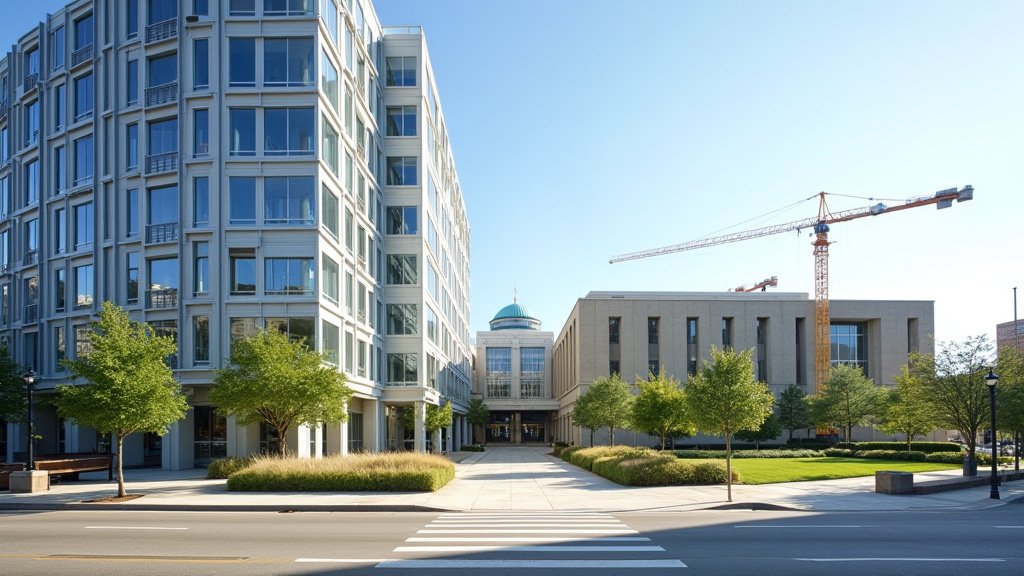
The most visible marker of the Cultural District’s transformation is the shifting skyline. For years, the area between University Drive and the Trinity River was defined by low-rise entertainment spots and surface parking. Today, that narrative has been replaced by vertical construction. The catalyst for this shift was the realization that high-net-worth individuals and corporate tenants were seeking an ‘experiential’ workplace—one where the amenities are not just in the building, but in the surrounding culture.
The Crescent: A Case Study in Commercial Maturity
The Crescent represents the tipping point for the district. By integrating luxury hospitality, premium office space, and high-end residential, developers have created a ‘vertical city’ that prevents the area from becoming a ghost town after 5:00 PM. This project has set the standard for subsequent developments, proving that the market appetite for premium space in Fort Worth is not limited to downtown.
Residential Synergy: Moving Beyond ‘Dorm Living’
Historically, residential options in the near-West side were skewed toward students and young nightlife enthusiasts. The current wave of development, however, targets a more mature demographic. These new projects—often featuring concrete-and-steel construction rather than traditional wood-frame—offer refined amenities, secure parking, and proximity to major employers. This shift is critical; it creates a residential base that values the district’s museums, restaurants, and green space, fostering a sustainable 24/7 economy.
Economic Implications and Strategic Urbanism
The economic impact of this construction boom extends far beyond the construction jobs and development fees. By concentrating office and residential density in the Cultural District, Fort Worth is effectively diversifying its economic centers. Historically, the city’s corporate power was concentrated in the downtown CBD. The current development boom decentralizes that power, creating a ‘second hub’ that competes with high-end districts in Dallas or Plano, but with the unique aesthetic value of Fort Worth’s cultural heritage.
Balancing Density with Heritage
A central tension remains: how to add density without obscuring the aesthetic value of the museums. Urban planners and local architects are working under strict design guidelines to ensure that new glass-and-steel towers do not compete with the architectural significance of the Kimbell or the Amon Carter Museum of American Art. This ‘architectural diplomacy’ is a defining feature of the current building boom, forcing developers to prioritize design quality over simple square footage.
The Infrastructure Challenge
With density comes the burden on infrastructure. The city’s current focus has shifted from approving permits to managing the traffic flow of a significantly denser neighborhood. Smart-city initiatives, including improved light synchronization and enhanced pedestrian paths, are being fast-tracked to prevent the district from suffering the traffic congestion that plagued the West 7th corridor during its initial growth phase.
The Future of the District
Looking toward 2026 and beyond, the trend is clear: the integration of culture and commerce. We are witnessing the maturation of a district that is no longer content to be an outlier to the downtown core. With continued investment in mixed-use developments, the Fort Worth Cultural District is positioning itself as the most desirable ‘walkable’ neighborhood in the Metroplex. This evolution signals a permanent shift in how Fort Worth defines its identity—moving from a city that is ‘all work’ to one that is truly ‘live-work’ in every sense of the term.
FAQ: People Also Ask
Q: How is the ‘Cultural District’ defined geographically for these projects?
A: While boundaries can be fluid, the development boom is primarily centered between West 7th Street and the Trinity River, encompassing the area immediately adjacent to the major museums (The Kimbell, The Modern, and The Amon Carter).
Q: Will the new development ruin the ‘nightlife’ vibe of West 7th?
A: It is transforming it rather than ruining it. The influx of office workers and permanent residents is actually stabilizing the nightlife scene, moving it away from ‘party-only’ venues toward higher-end dining and cocktail experiences that cater to a more diverse, professional clientele.
Q: What is the main driver behind the office boom?
A: The primary driver is the ‘flight to quality.’ Corporate tenants are moving out of aging suburban office parks into new, premium developments that offer immediate access to amenities, which is critical for employee retention and recruitment in the current labor market.
Q: Are there plans for more green space?
A: Yes, significant portions of the development agreements for the new towers include mandates for ground-level public plazas and pedestrian-friendly streetscapes, aiming to connect the district seamlessly with the Trinity Trails system.
More Stories
Taiwan Makes Historic Debut at World Children’s Festival in D.C.
Choctaw Heritage Ignites at World Series of Stickball
American Culture: 25 Defining Milestones