











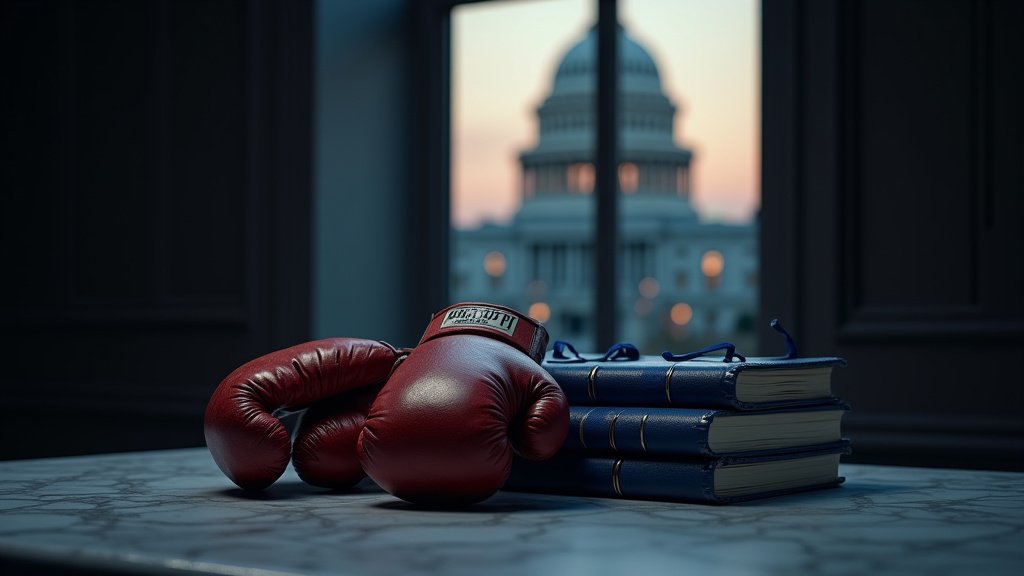
The future of American professional boxing sits at a historic crossroads today, April 22, 2026, as Senator Ted Cruz (R-Texas), Chairman of the Senate Committee on Commerce, Science, and Transportation, convenes a pivotal hearing titled “Return to Your Corners: Have Federal Boxing Laws Gone the Distance or Slipped the Jab?” As legislators weigh the implications of the Muhammad Ali American Boxing Revival Act (H.R. 4624), the hearing has drawn top industry figures to Washington to debate whether the sport requires a massive structural overhaul or a careful preservation of existing protections.
The Legislative Centerpiece: H.R. 4624
The primary focus of today’s inquiry is H.R. 4624, legislation that has already cleared the House of Representatives with bipartisan support. At the heart of the bill is the introduction of the Unified Boxing Organization (UBO). Proponents argue that the current landscape of boxing—fragmented by multiple sanctioning bodies, disparate promoter interests, and a lack of centralized oversight—hinders the sport’s ability to compete with other major professional leagues like the NFL or NBA. By allowing for the creation of UBOs, the legislation would permit single entities to combine promotion, ranking systems, and title sanctioning under a centralized framework.
However, this proposed centralization has ignited a firestorm of controversy. Detractors, including those with deep roots in the traditional regulatory framework, warn that such consolidation could dismantle the hard-won safeguards established by the Muhammad Ali Boxing Reform Act of 2000. For decades, the Ali Act has stood as the primary defense against conflicts of interest, protecting fighters from coercive contracts and ensuring transparency in compensation. The central tension for the Senate committee today is determining whether the UBO model provides the necessary modernization to save the sport’s commercial future or if it threatens to return boxing to an era of unchecked promoter dominance.
Witness Perspectives: A Divided Ring
The witness list assembled by Chairman Cruz represents the deep fracture within the boxing industry. Oscar De La Hoya, Chairman and CEO of Golden Boy Promotions, has emerged as a vocal opponent of the UBO structure, arguing that it creates too much power for single entities at the expense of individual fighter independence. Conversely, Nick Khan, President of the TKO Group, is set to provide testimony representing the corporate interests that view the UBO as a logical step toward professionalization and mass market viability.
Adding a poignant, personal dimension to the proceedings is professional boxer Nico Ali Walsh, grandson of the late Muhammad Ali. Ali Walsh has publicly opposed the reforms, describing them as anti-labor and contrary to the spirit of the legislation that bears his grandfather’s name. Rounding out the panel is Timothy Shipman, President of the Association of Boxing Commissions and Combative Sports. As a representative of the regulatory body that would be empowered by the new legislation, Shipman’s testimony is critical for understanding the practical, on-the-ground implications of the proposed federal authority changes. The Committee is tasked with balancing these divergent visions: one looking toward a streamlined, corporate-friendly future, and the other prioritizing the protection of the athlete.
The Historical Context: The Ali Act Legacy
To understand the gravity of today’s hearing, one must look at the foundation built over the last 30 years. The 1996 Professional Boxing Safety Act and the subsequent 2000 Muhammad Ali Boxing Reform Act were landmark pieces of legislation. They were conceived during a time when corruption, fighter exploitation, and “fixed” environments were perceived as endemic threats to the sport’s integrity. By mandating financial transparency and strictly separating the roles of managers and promoters, the Ali Act effectively dismantled several coercive business practices.
Critics of H.R. 4624 argue that by exempting UBOs from certain sections of the Ali Act—specifically the bans on coercive contracting and certain financial disclosure requirements—Congress risks creating a “loophole” that could quickly render the last three decades of safety regulations obsolete. The question for Senator Cruz and his colleagues is whether the sport has changed enough since 2000 to justify such a sweeping regulatory rollback, or if the fundamental risks to the fighters remain as potent today as they were at the turn of the millennium.
Secondary Angles: The Future of the Sport
Beyond the immediate legislative debate, this hearing touches upon three critical, long-term secondary angles:
1. The MMA Comparison: A recurring theme is how boxing compares to the regulation of Mixed Martial Arts (MMA). Proponents of UBOs often point to the centralized success of companies like the UFC as a model for boxing’s survival. The hearing must reconcile why boxing’s unique history requires its own specific regulatory path compared to the more recently developed MMA structure.
2. The Economic Impact of Consolidation: There is a growing concern that if major networks and promoters are allowed to own both the ranking systems and the promotional companies, small, independent boxing gyms and grassroots promotions could be marginalized. The economic disparity between the “mega-fights” and the foundation of the sport remains a silent pressure on these negotiations.
3. The Role of the ABC: The Association of Boxing Commissions (ABC) is slated for a massive increase in responsibility under the new bill, including the potential certification of ringside physicians and officials. Questions remain regarding whether state athletic commissions, which currently hold the regulatory power, are prepared for or capable of managing this centralized federal authority, given the varying degrees of sophistication and resources across different state jurisdictions.
FAQ: People Also Ask
Q: What is the primary purpose of the Muhammad Ali American Boxing Revival Act?
A: The bill, H.R. 4624, aims to modernize boxing regulation by allowing for the creation of Unified Boxing Organizations (UBOs). These organizations would be permitted to act as both promoters and sanctioning bodies, a structure currently restricted by the original Ali Act to prevent conflicts of interest.
Q: What are the main concerns regarding the UBO model?
A: Critics, including many promoters and fighter advocates, worry that the UBO model will concentrate too much power into single entities, potentially reversing the protections against coercive contracts and exploitative business practices that the original Ali Act secured for fighters.
Q: Why is this hearing significant?
A: This hearing marks the first major Senate inquiry into federal boxing law in over a decade. It brings together major stakeholders to debate the survival of the sport’s current regulatory structure versus a push for commercial modernization, making it a critical legislative moment for the future of combat sports.
More Stories
Lowriding’s Rise: SF Celebrates Cruising Culture
U.S. Repatriates 64 Cultural Relics and Fossils to China
Betting on Viral Fame: Novig’s Strategic Use of Sydney Sweeney