


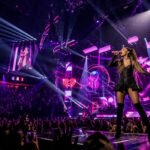









Beijing’s vibrant music scene is buzzing with the annual “All That Jazz!” festival, a dynamic showcase where global artists converge to blend diverse traditions, experiment fearlessly, and collectively shape the future of contemporary music culture. This year’s event has become a pivotal moment, drawing international attention and highlighting Beijing’s growing influence as a hub for musical innovation and cross-cultural exchange.
Key Highlights:
- A global convergence of jazz musicians and experimental artists.
- Focus on blending traditional musical elements with contemporary sounds.
- Exploration of jazz as a vehicle for cultural dialogue and innovation.
- Significant impact on shaping worldwide contemporary music trends.
All That Jazz! Beijing: A Crossroads of Global Sound
Beijing’s “All That Jazz!” festival has once again cemented its status as a crucial nexus for global musical dialogue, drawing an impressive roster of international artists and enthusiasts to the heart of China. This year’s iteration is particularly noteworthy for its audacious embrace of artistic freedom, encouraging performers to push the boundaries of genre and tradition. The festival serves as a vital platform where artists from vastly different cultural backgrounds not only share their unique sonic landscapes but also engage in a profound process of collaboration and experimentation. This cross-pollination of ideas is instrumental in forging new pathways in contemporary music, demonstrating that jazz, in its myriad forms, remains a potent force for artistic evolution and global cultural understanding.
Thematic Fusion: Tradition Meets Innovation
The core of “All That Jazz!” lies in its commitment to the thematic fusion of established musical traditions with avant-garde experimentation. Artists are tasked with weaving elements from their native musical heritages—be it Chinese folk melodies, African rhythmic complexities, or European classical structures—into the improvisational framework of jazz. This act of blending is not merely decorative; it’s a deep dive into the universal language of music, finding common ground and creating novel sonic architectures. For instance, a performance might feature a traditional Chinese erhu improvising alongside a bebop saxophone, or a Ghanaian kora providing a percussive foundation for a modern electronic jazz ensemble. These juxtapositions challenge conventional notions of genre and highlight the adaptability of jazz as a musical idiom capable of absorbing and transforming diverse influences. The result is a soundscape that is both familiar and refreshingly new, resonating with audiences worldwide who are increasingly drawn to music that reflects a globalized yet culturally nuanced reality.
Beijing’s Role in the Global Music Ecosystem
Beyond the performances, the festival underscores Beijing’s burgeoning significance within the international music industry. Once perceived primarily as a center for traditional arts, Beijing is rapidly asserting itself as a dynamic hub for contemporary music production, performance, and innovation. “All That Jazz!” acts as a potent symbol of this transformation, attracting not only performers and audiences but also industry professionals, critics, and academics. This influx of talent and attention contributes to a richer, more diverse cultural ecosystem within the city. The festival fosters an environment where local artists are exposed to global trends, and international artists gain a deeper appreciation for China’s own rich musical heritage and its evolving contemporary scene. The economic and cultural impact is substantial, boosting tourism, creating opportunities for local talent, and enhancing Beijing’s reputation as a global cultural capital. The infrastructure and support provided by Beijing for such a large-scale international event are testaments to its commitment to fostering global cultural exchange through the arts.
The Future Sound of Jazz: Experimentation and Accessibility
“All That Jazz!” is not just about celebrating the present; it’s a forward-looking initiative that actively shapes the future of jazz and contemporary music. The emphasis on experimentation means that artists are encouraged to explore new sonic territories, incorporating elements from electronic music, hip-hop, and world music genres. This boundary-pushing approach ensures that jazz remains relevant and vital for younger generations who may not be exposed to its traditional forms. Furthermore, the festival aims to enhance the accessibility of jazz, making it less intimidating and more engaging for a broader audience. Through workshops, panel discussions, and masterclasses, festival-goers have the opportunity to learn directly from the artists, gaining insights into the creative process and the intricate art of improvisation. This educational component is crucial for nurturing the next generation of musicians and for cultivating a more informed and appreciative global audience for jazz in all its evolving manifestations. The open exchange of ideas at the festival promises a dynamic and unpredictable future for jazz.
FAQ: People Also Ask
What is the primary goal of the “All That Jazz!” festival in Beijing?
The primary goal of the “All That Jazz!” festival is to serve as a global platform for artists to blend diverse musical traditions, experiment freely with sound, and collectively shape the future of contemporary music culture, while also highlighting Beijing’s role as a burgeoning center for musical innovation.
How does the festival encourage artistic experimentation?
The festival encourages artistic experimentation by providing a supportive environment where artists are free to push genre boundaries, collaborate across cultural divides, and incorporate elements from various musical styles, including traditional folk music, electronic music, and other contemporary genres.
What is the significance of Beijing hosting this international jazz festival?
Hosting this international jazz festival signifies Beijing’s growing importance in the global music ecosystem. It demonstrates the city’s commitment to fostering cultural exchange, supporting contemporary arts, and establishing itself as a cultural capital that embraces diverse artistic expressions.
How does the festival contribute to the evolution of jazz?
The festival contributes to the evolution of jazz by showcasing artists who are actively blending traditional jazz forms with modern sounds and global influences, thereby expanding the genre’s reach, relevance, and creative possibilities for both musicians and audiences.
What kind of artists typically participate in “All That Jazz!”?
The festival typically features a diverse range of artists, including renowned international jazz musicians, emerging experimental artists, performers with strong roots in traditional music from various cultures, and innovators who incorporate electronic and other contemporary elements into their work.
More Stories
iHeartRadio Music Festival 2026 Ignites Las Vegas
Hyde Park Jazz Fest at 20: A Sonic Milestone for Chicago
Americanafest 2026: Nashville Readies for Global Roots Music Milestone